Enhance Accessibility with ADA Engraved Signs
Ensure your space is compliant and welcoming with our ADA engraved signs. Crafted for clarity and durability, these signs enhance navigation while meeting legal standards.

What are ADA Engraved Signs?
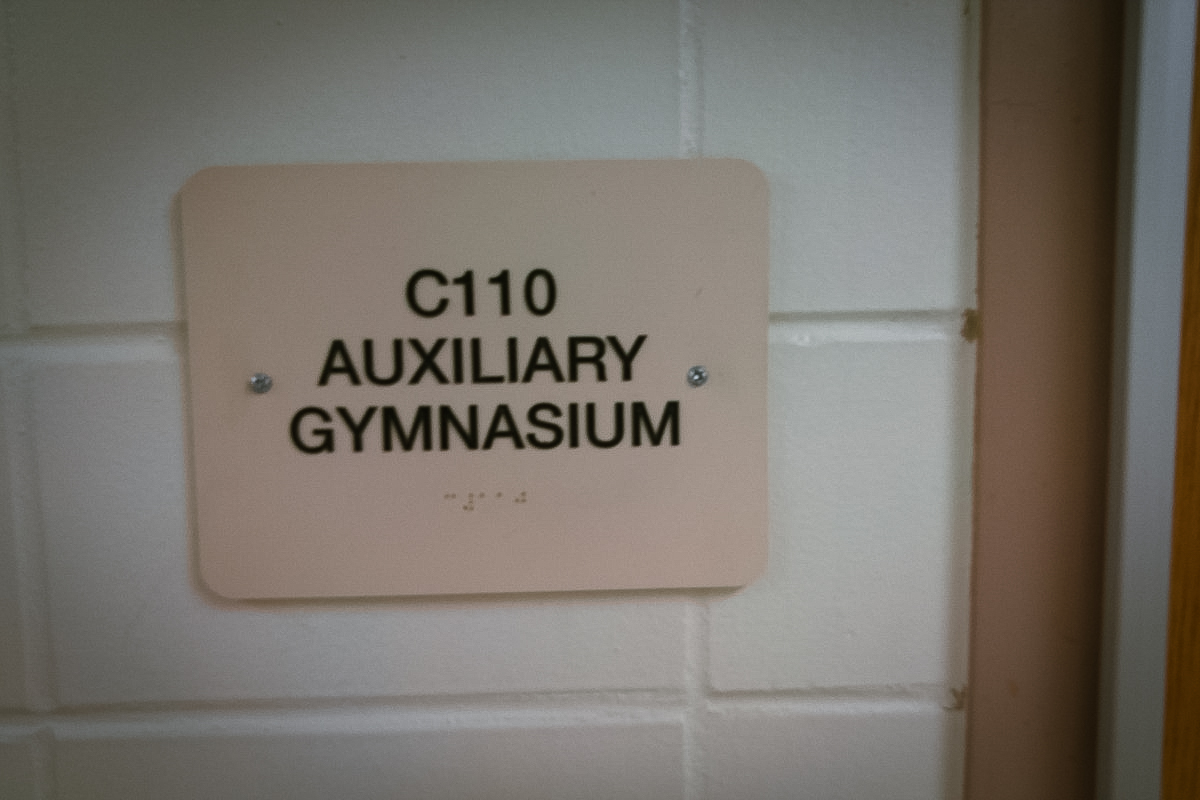
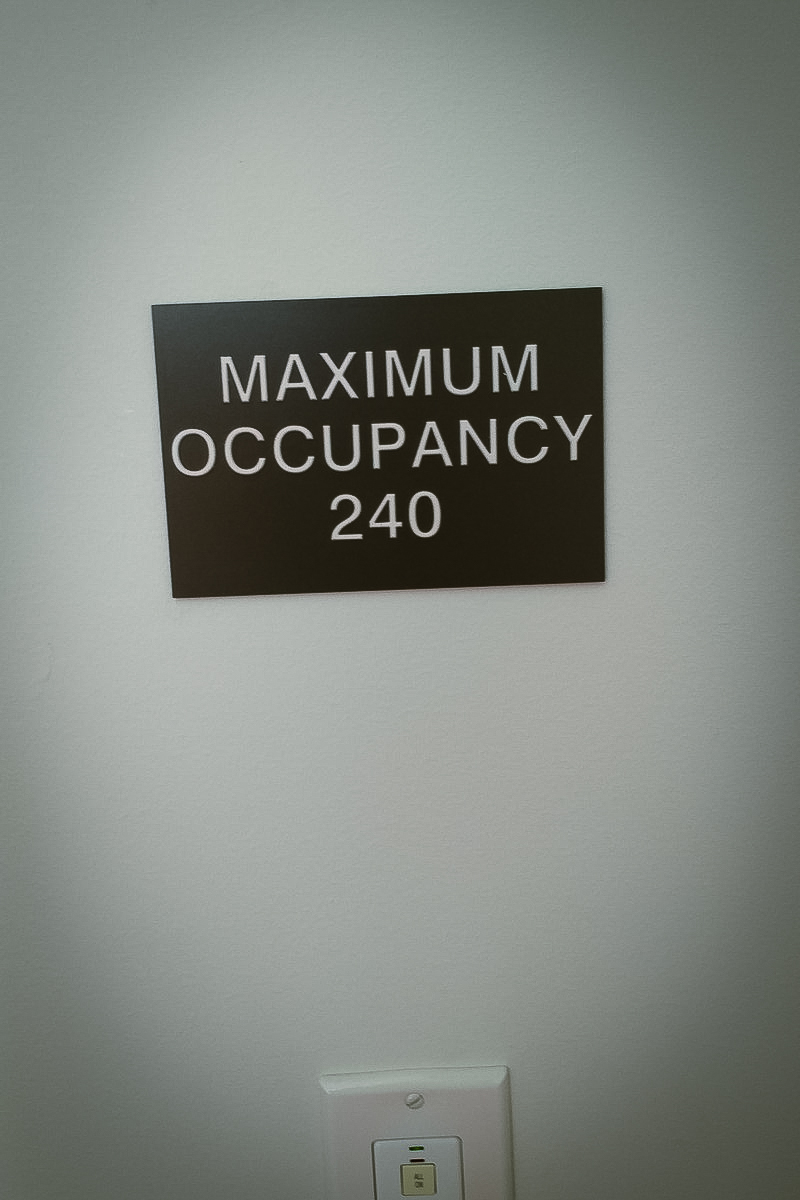
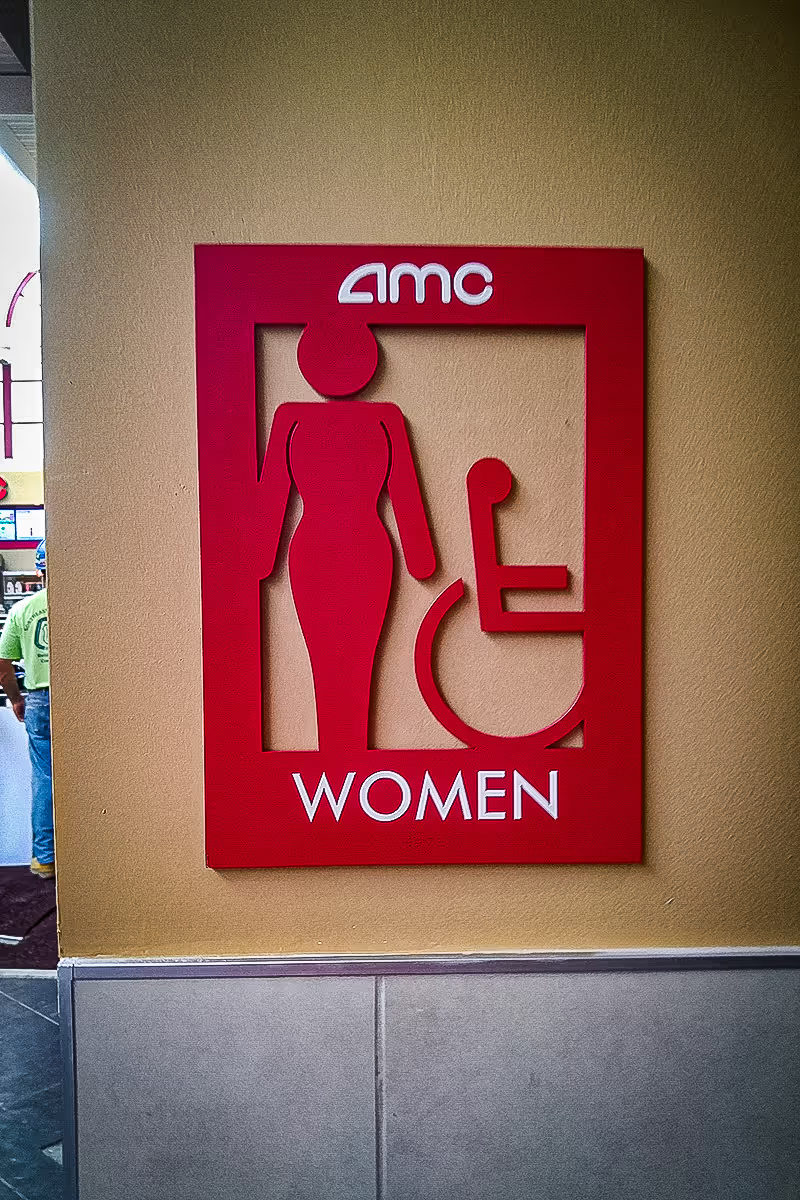
ADA Engraved Signs play a vital role in creating accessible environments by providing essential information to individuals with disabilities. These signs are meticulously crafted with raised characters and Braille, ensuring they are easily readable for those with visual impairments. Strategically placed in high-traffic areas such as building entrances, restrooms, and elevators, they facilitate independent navigation and enhance safety for everyone. By adhering to ADA standards, these signs not only fulfill legal obligations but also demonstrate a commitment to inclusivity and accessibility.

Used by the world's leading companies, ANd Your Neighbors
ADA Engraved Signs
Image Gallery





Be A StandOut Brand
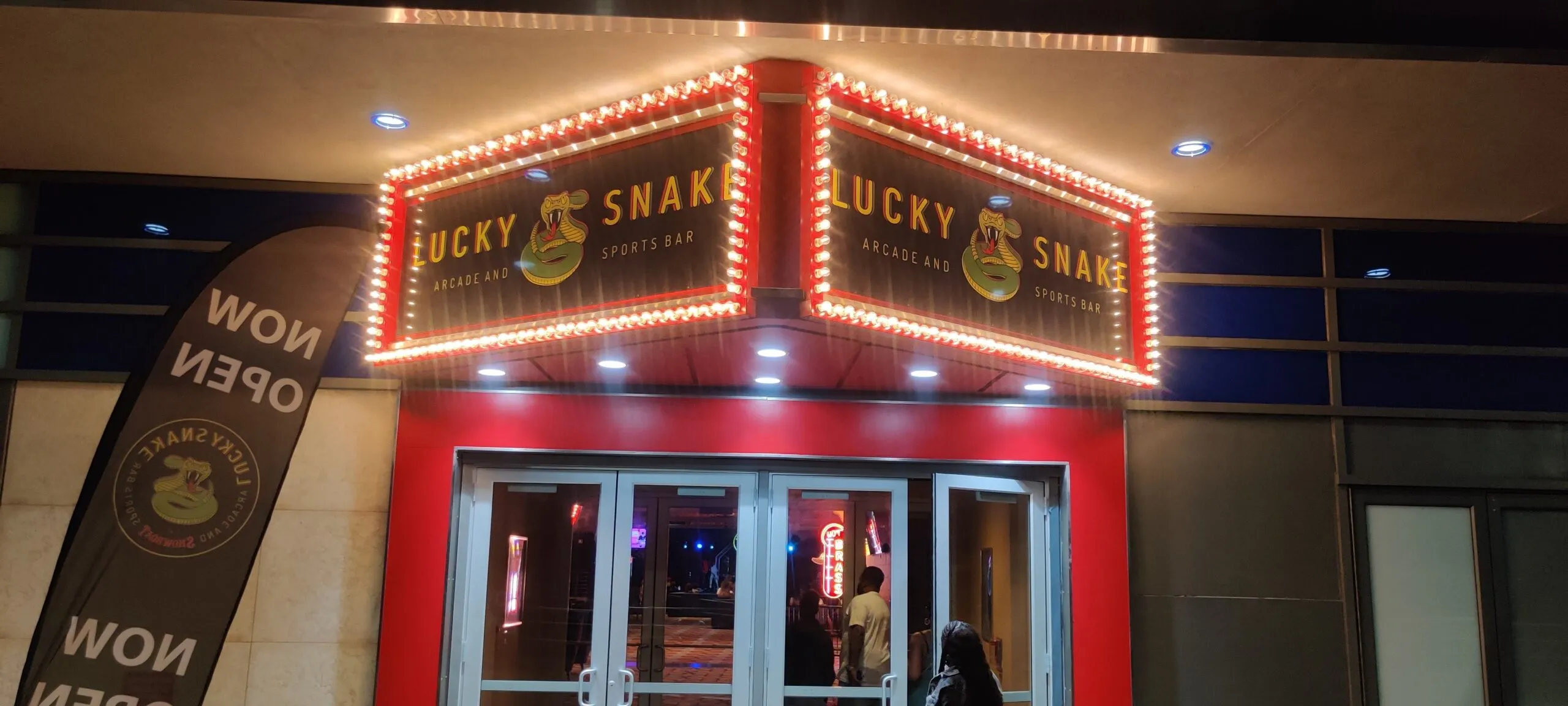
Your audience constantly encounters new brands. Whether you aim to outshine competitors, support your team, or enhance your image, our signage and awning solutions can help. Request a quote or contact us with questions.
Enhancing Accessibility with ADA Engraved Signs
ADA Engraved Signs are essential for creating an inclusive environment. They not only comply with legal requirements but also show your commitment to accessibility.
Emotional Value
Fostering a welcoming atmosphere for everyone enhances community trust and loyalty.
Practical Benefits
Ensure compliance with ADA regulations while improving navigation for all visitors.
Custom Solutions
Tailored designs that reflect your brand while meeting accessibility standards.
Durable Materials
Crafted from high-quality materials to withstand wear and tear in any environment.

Where ADA Engraved Signs Make a Difference
ADA Engraved Signs are essential for ensuring accessibility in public spaces. They guide individuals with disabilities, enhancing their experience and safety.
Ideal Locations for ADA Engraved Signs
Perfect for restrooms, elevators, and emergency exits in commercial and municipal buildings.
Enhancing Wayfinding with ADA Signs
They help create intuitive navigation for everyone, ensuring compliance with ADA regulations.
Promoting Safety and Compliance
ADA Engraved Signs are crucial for meeting legal requirements and promoting a safe environment.
Custom Solutions for Every Space
We offer tailored designs to fit your specific needs and aesthetic preferences.
"The custom suspended signs from Martino Signs have elevated our visibility and professionalism. We couldn't be happier with the results!"


This is one of the best companies I've ever worked with. Response from start to finish was amazing. My salesman, Jared, was very responsive witth all my questions and followups for everything... GREAT COMPANY!
FAQs
Commercial properties typically need several categories of signage. Exterior identification signs — monument signs, pylon signs, or building-mounted channel letters — help customers and visitors find the property. Wayfinding and directional signs guide traffic flow within the parking lot and between buildings. Tenant identification signs display individual business names. Building directory signs help visitors locate specific tenants inside. ADA-compliant signs are required for restrooms, exits, stairwells, and other permanent spaces. Property managers typically establish sign criteria that define the standards for each sign type on the property.
Most commercial buildings need a combination of lobby directories, directional signs, room and suite identification, floor numbers, elevator and stair signs, restroom signs and required accessibility or safety signage. The exact sign package depends on the building layout, number of tenants, visitor traffic and applicable building and accessibility requirements.
Some interior wayfinding and identification signs must meet ADA accessibility requirements. Depending on the sign’s purpose, requirements may address tactile lettering, Braille, character size, contrast, mounting height and placement. Each sign package should be reviewed against the accessibility and building requirements that apply to the property.
Signs identifying permanent rooms and spaces commonly require raised characters and Grade 2 Braille. Examples can include restroom signs, room numbers, stairwell signs and signs identifying permanent offices, utility rooms or building functions. Directional and informational signs may follow different accessibility standards.
Office parks and business campuses typically need site entry monument or pylon signs, directional signs guiding visitors to specific buildings or parking areas, building identification signs for each structure, parking lot signage including reserved and accessible spaces, and building-mounted channel letters or cabinet signs for individual tenants. Large campuses may also need illuminated wayfinding kiosks or directories at major decision points. ADA-compliant signs are required throughout interior common areas.
Yes. A comprehensive sign program can cover every sign type at a location, including exterior building signs, monument or pylon signs, parking and directional signs, ADA-compliant interior signs, wayfinding, window graphics, and branded environmental graphics. Managing interior and exterior signage together through a single program ensures visual consistency and simplifies coordination for the client.
Interior wayfinding signs can be fabricated from acrylic, aluminum, photopolymer, engraved plastic, wood, glass and other architectural materials. Colors, typography, icons, finishes and mounting systems can be customized to match the building and brand while maintaining readability and accessibility.
A building directory sign lists the tenants or offices in a building, typically displayed in the lobby or at the main entrance. They are most common in multi-tenant office buildings, medical buildings, and professional centers where visitors need to find a specific tenant. Building directories can be static (printed panels in a frame) or digital (electronic displays updated remotely). A building directory is not legally required in most cases, but is standard practice in professional office and medical buildings and significantly improves the visitor experience.
Yes. Commercial properties open to the public are required under the Americans with Disabilities Act to provide ADA-compliant signage in specific locations. Required ADA signs include restroom signs, exit and stairwell signs, room identification signs for permanent spaces, accessible parking signs, and signs indicating accessible routes. ADA signs must meet specific requirements for mounting height, tactile characters, Braille, and color contrast. Property owners and managers are responsible for ensuring all common area ADA signage meets current standards, and non-compliance can result in fines or legal liability.
A directory is generally an informational sign, so it may not require tactile characters and Braille by itself. However, it should be easy to approach and read, and the overall sign system must include compliant identification and directional signs wherever accessibility standards require them.
A general directory may not require tactile characters or Braille because it provides informational content rather than permanently identifying a room. Required room identification and certain directional signs must still comply with applicable accessibility standards as part of the complete sign system.
Yes. A wayfinding and signage audit can identify missing signs, outdated directories, inconsistent terminology, poor placement, accessibility concerns and areas where visitors frequently become confused. The findings can be used to develop a complete replacement plan or a phased improvement program.
The directory should be approachable, readable and positioned so it does not obstruct an accessible route. A general directory may not require tactile characters or Braille, but required room identification and directional signs elsewhere in the building must meet applicable accessibility standards.
Yes. Frames can be incorporated into an accessible sign system, but required tactile characters, Braille, contrast, mounting location and clear-space rules must be handled correctly. Decorative frames should support, not interfere with, the readability and accessibility of required sign content.
We handle the entire code evaluation and permitting process from start to finish. For every property, we audit local zoning laws regarding maximum sign height, square footage, setbacks, and illumination restrictions before fabrication begins. Our team also designs and installs custom interior architectural signs that strictly adhere to federal ADA standards, including exact Grade 2 Braille positioning, raised tactile lettering, high-contrast ratios, and non-glare finishes. Nothing goes into production until it is confirmed to meet both local code and federal accessibility requirements.
Yes. We specialize in end-to-end wayfinding and directional signage networks designed to improve traffic flow and tenant satisfaction across complex properties. Our team maps out the entire property footprint to design a cohesive system of exterior monument entrance signs, directional traffic markers, building identification numbers, parking lot safety signs, and interior lobby directories — all matched to the property's architectural style. The result is a consistent, professional experience from the street to the front door of every building.
Yes. Exterior wayfinding signage can be designed to meet ADA accessibility requirements, including legible typography, high contrast standards, tactile elements, and correct mounting heights where applicable.
No. Metal alone does not make a plaque ADA compliant. Signs identifying permanent rooms and spaces may need raised characters, braille, visual contrast, non-glare finishes and compliant mounting locations. Applicability depends on the sign's purpose and governing requirements, so accessibility should be addressed during design.
Event organizers should consider readable typography, contrast, mounting height, accessible routes and the needs of attendees with disabilities. Some signs may be subject to specific accessibility or life-safety requirements. Temporary branding does not replace required permanent, tactile or emergency signage provided by the venue.
Accessibility requirements depend on the sign's function and location. Signs identifying permanent rooms may require tactile characters and braille, while directional and informational signs may be subject to visual criteria. Applicable standards and local requirements should be evaluated for the complete sign system.
Yes, when applicable requirements are addressed in the complete system. Accessible parking, route and permanent-space identification signs have different criteria. Not every exterior directional sign must be tactile, so sign function and location should determine visual, mounting and tactile specifications.
Directional and informational signs that identify functional spaces may be subject to visual criteria, while tactile requirements apply to specific permanent-room and space designations. The correct specification depends on sign purpose and location. Accessible routes and required symbols also have separate requirements.
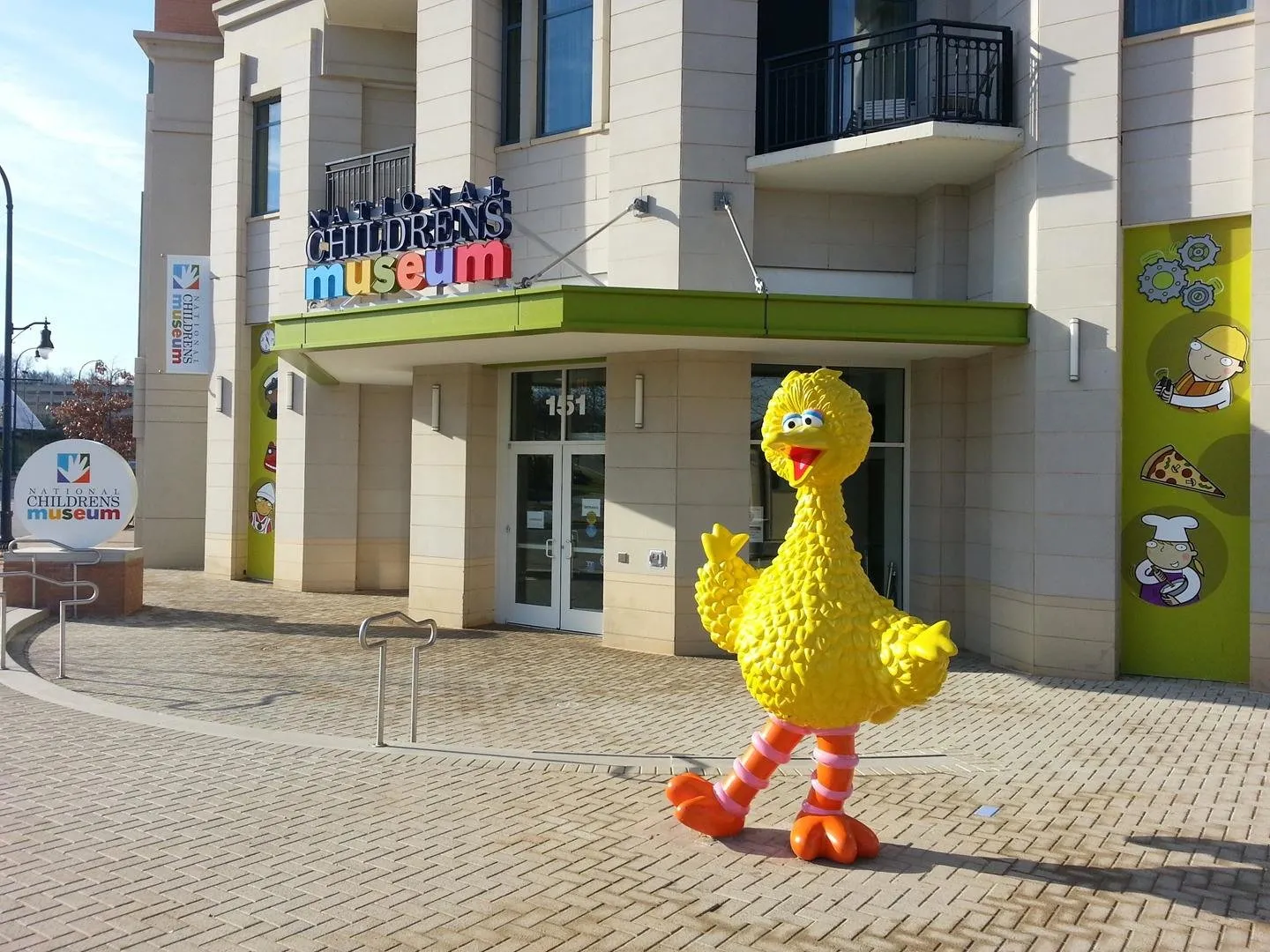
Transforming Spaces with Custom Signage Solutions
Our innovative signage solutions helped the Children’s Museum of Discovery create a bold, inviting entrance that draws in families and sparks curiosity. This featured project showcases the perfect mix of creativity, durability, and functionality to match the museum’s playful spirit.
Project Highlight
A vibrant, custom-designed sign package that blends playful design with high visibility—perfectly capturing the museum’s mission to engage and inspire young minds.