Enhance Your Space with Sidewalk Barriers
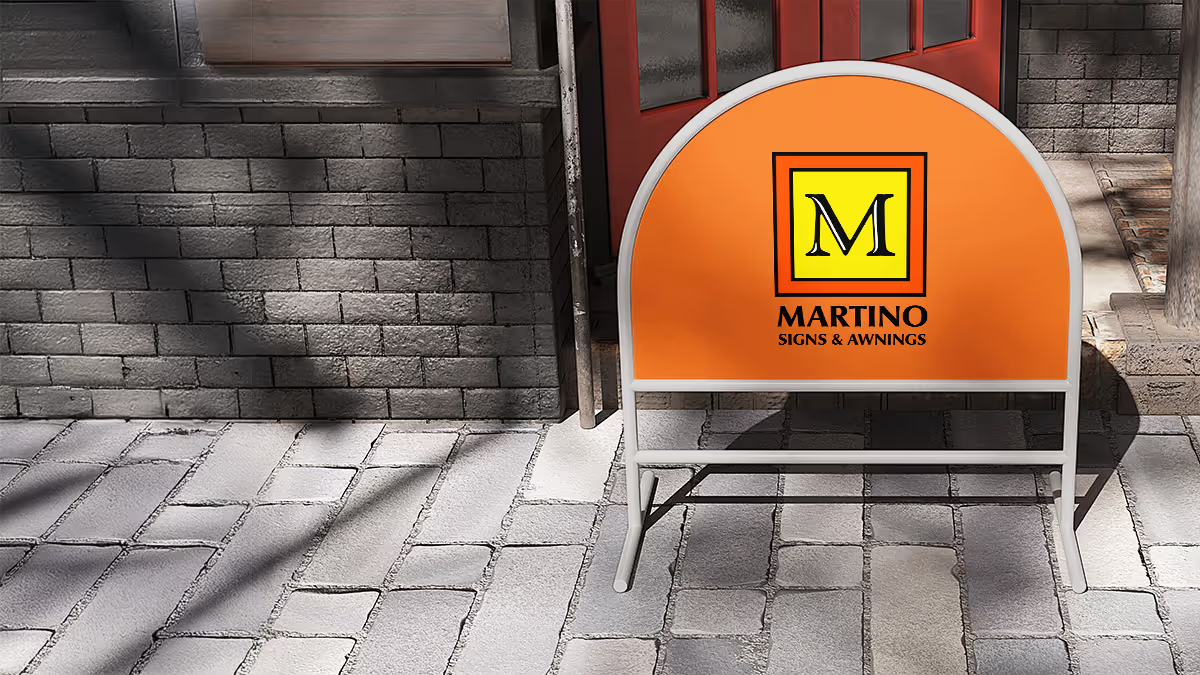
Our sidewalk barriers and partitions provide a stylish and effective solution for crowd control and outdoor dining. Designed to enhance safety while maintaining an inviting atmosphere, they are perfect for any commercial space.

Used by the world's leading companies, And Your Neighbors:
What Are Sidewalk Barriers & Partitions
Sidewalk barriers and partitions are versatile and robust structures designed to define and organize outdoor spaces effectively. They serve multiple purposes, such as guiding pedestrian traffic, enhancing safety, and creating designated areas for activities like outdoor dining or events. These barriers can be customized with branding elements, allowing businesses to reinforce their identity while maintaining a functional and aesthetically pleasing environment. Additionally, they are constructed from durable materials to withstand various weather conditions, ensuring long-lasting use in public or commercial settings.

Enhance Your Space with Sidewalk Barriers
Sidewalk barriers and partitions provide a stylish solution to delineate spaces while ensuring safety. They save costs by minimizing liability and enhancing customer flow.
Cost Savings
Reduce potential accidents and liabilities with our durable sidewalk barriers.
Flexible Solutions
Easily reconfigure your outdoor space to adapt to changing needs and events.
Aesthetic Appeal
Choose from various designs to complement your property’s style and branding.
Durable Materials
Our barriers are built to withstand the elements while maintaining their visual appeal.

Sidewalk Barriers & Partitions
Image Gallery


Versatile Uses for Sidewalk Barriers
Sidewalk barriers and partitions are essential for creating safe, designated areas in busy public spaces. They help manage foot traffic and enhance the overall experience for patrons.
Ideal for Outdoor Dining and Events
Perfect for restaurants to define outdoor seating areas and ensure customer safety.
Effective Crowd Control Solutions
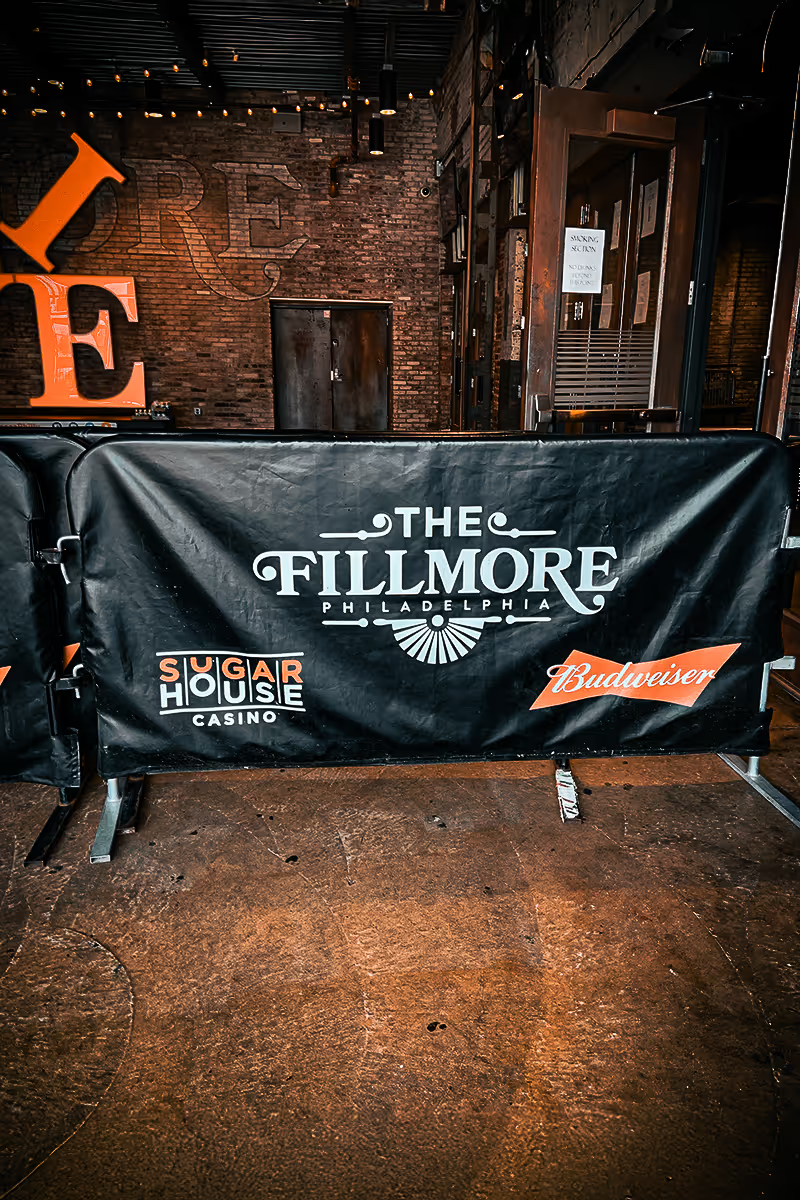
Utilized at events to guide attendees and maintain order in high-traffic areas.
Enhancing Visibility and Branding
Customizable designs can showcase your brand while providing necessary barriers.
Weather-Resistant and Durable
Built to withstand various weather conditions, ensuring long-lasting use outdoors.
Get Your Custom Sign Today!
Ready to elevate your space with custom signage, awnings, or shades? Contact us for a personalized quote or to ask us any questions about your job.
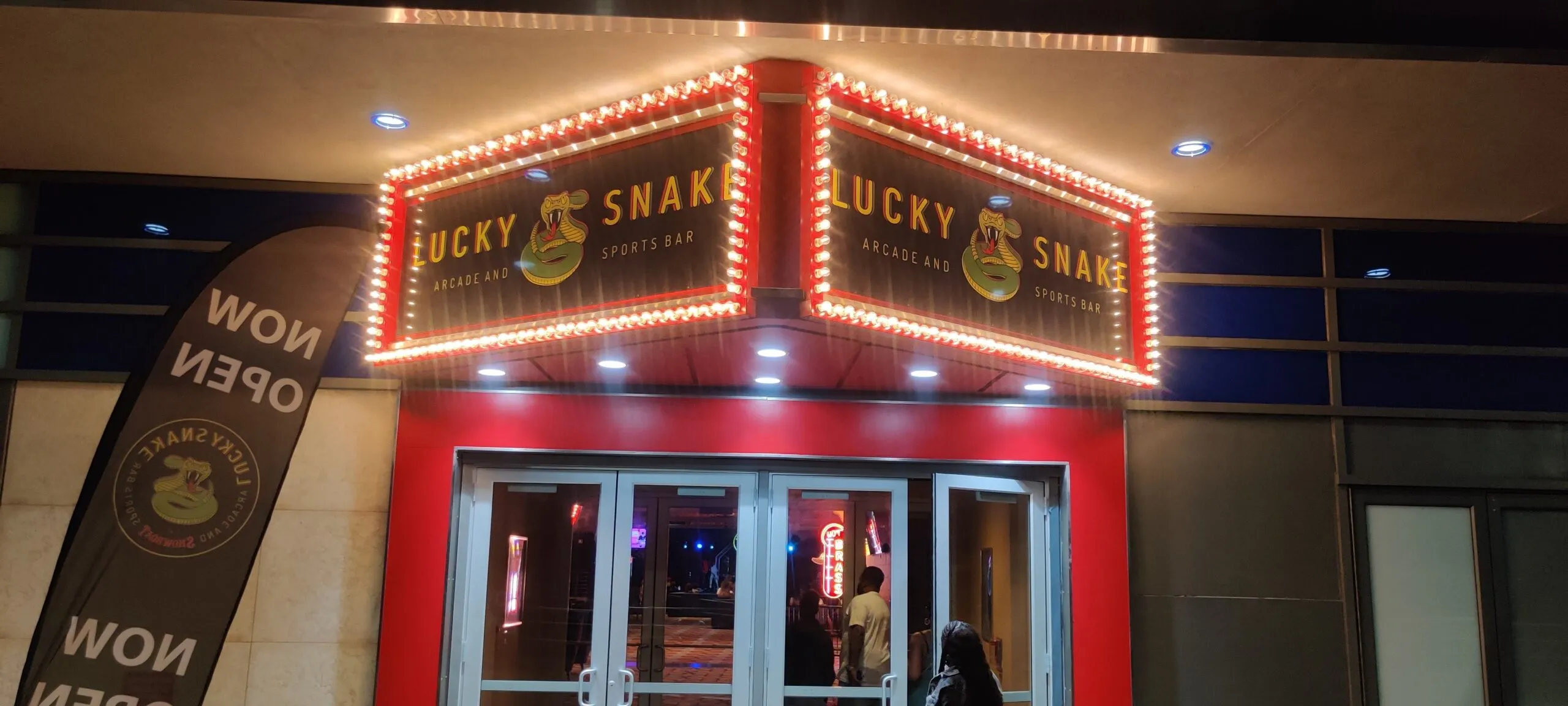
"The custom suspended signs from Martino Signs have elevated our visibility and professionalism. We couldn't be happier with the results!"


This is one of the best companies I've ever worked with. Response from start to finish was amazing. My salesman, Jared, was very responsive witth all my questions and followups for everything... GREAT COMPANY!
FAQs
Commercial sidewalk barriers and partitions define outdoor dining, waiting, queueing and event areas while helping organize pedestrian flow. Restaurants, hotels, retail properties and venues may also use branded panels to identify the business. They are space-management products, not automatic substitutes for required safety barriers.
Restaurants, cafés, bars, hotels, entertainment venues, retail centers and event operators commonly use barriers to organize customer areas and reinforce branding. The product should match the property's actual circulation, operating plan, storage capacity and local requirements rather than being selected only for appearance.
If seating is placed on the public sidewalk in Philadelphia, the business generally needs a Sidewalk Café License and must be in an authorized area or obtain the required authorization. A streetery in a parking lane uses a different license. Barrier design does not itself grant permission to occupy public space.
No. Compliance depends on the complete layout, authorized area, pedestrian clearance, accessibility, entrances, utilities, fire access and current local requirements. A barrier can support an approved layout, but the property owner or operator remains responsible for obtaining and maintaining required permissions.
Partitions, bases, planters and furniture must be arranged so the required pedestrian and accessible route remains clear. The necessary width and placement depend on the jurisdiction and site. Door access, curb ramps, transit stops, hydrants and other public features also need consideration.
Yes. Panels can often incorporate logos, colors, patterns or sponsor graphics, subject to the product design, landlord criteria and local sign rules. Artwork should remain readable and durable outdoors without creating sharp projections, unstable attachments or visual conflicts with required regulatory information.
Commercial systems may use metal frames with rigid, mesh, fabric or other exterior-grade infill panels. Material selection depends on wind exposure, portability, cleaning, visibility, branding and storage. The proposed system's actual specifications should be reviewed rather than assuming every barrier performs the same way.
Portable systems offer flexibility and seasonal storage, while fixed or anchored systems may provide a more permanent layout. The correct choice depends on public-space rules, wind exposure, security, pavement conditions and daily operations. Businesses should not drill into sidewalks or structures without authorization.
Stability may come from engineered bases, approved anchors or a manufacturer-designed support system. Adding improvised weights or solid panels can change loads and create hazards. Wind limits depend on the complete assembly, so businesses should follow the specified setup and severe-weather procedures.
That depends on the product's rated use, anchorage and the property's operating procedures. Portable barriers may need to be removed or secured during high winds, snow operations or closures. A weather-resistant finish does not mean the barrier is designed for every storm condition.
Not unless the specific system is tested and approved for that purpose. Standard decorative or crowd-control partitions should not be represented as crash-rated barriers. Locations requiring vehicle protection need an appropriate protective system selected and approved by the responsible property and design professionals.
A survey documents available width, pavement conditions, slopes, doors, utilities, street furniture, curb ramps and other constraints. Accurate site information helps determine panel sizes, base locations and access. It does not replace municipal approval or a formal property survey when one is required.
Portable sections should be stored securely without bending frames or damaging graphics. Routine maintenance includes cleaning approved surfaces, checking fasteners, bases and edges, and replacing damaged components. Seasonal businesses should plan storage space and handling procedures before selecting a system.
Pricing depends on the number and size of sections, frame and panel materials, bases or anchoring, custom graphics, site conditions, delivery and installation. Permit or license work may be separate. A measured layout is the best basis for comparing complete system costs.
Provide the business address, intended use, layout dimensions, site photographs, desired number of sections, logo files, color preferences, operating season and storage plan. In Philadelphia, identify whether the area is a sidewalk café, streetery or private property because requirements differ.
Transforming Spaces with Custom Signage Solutions
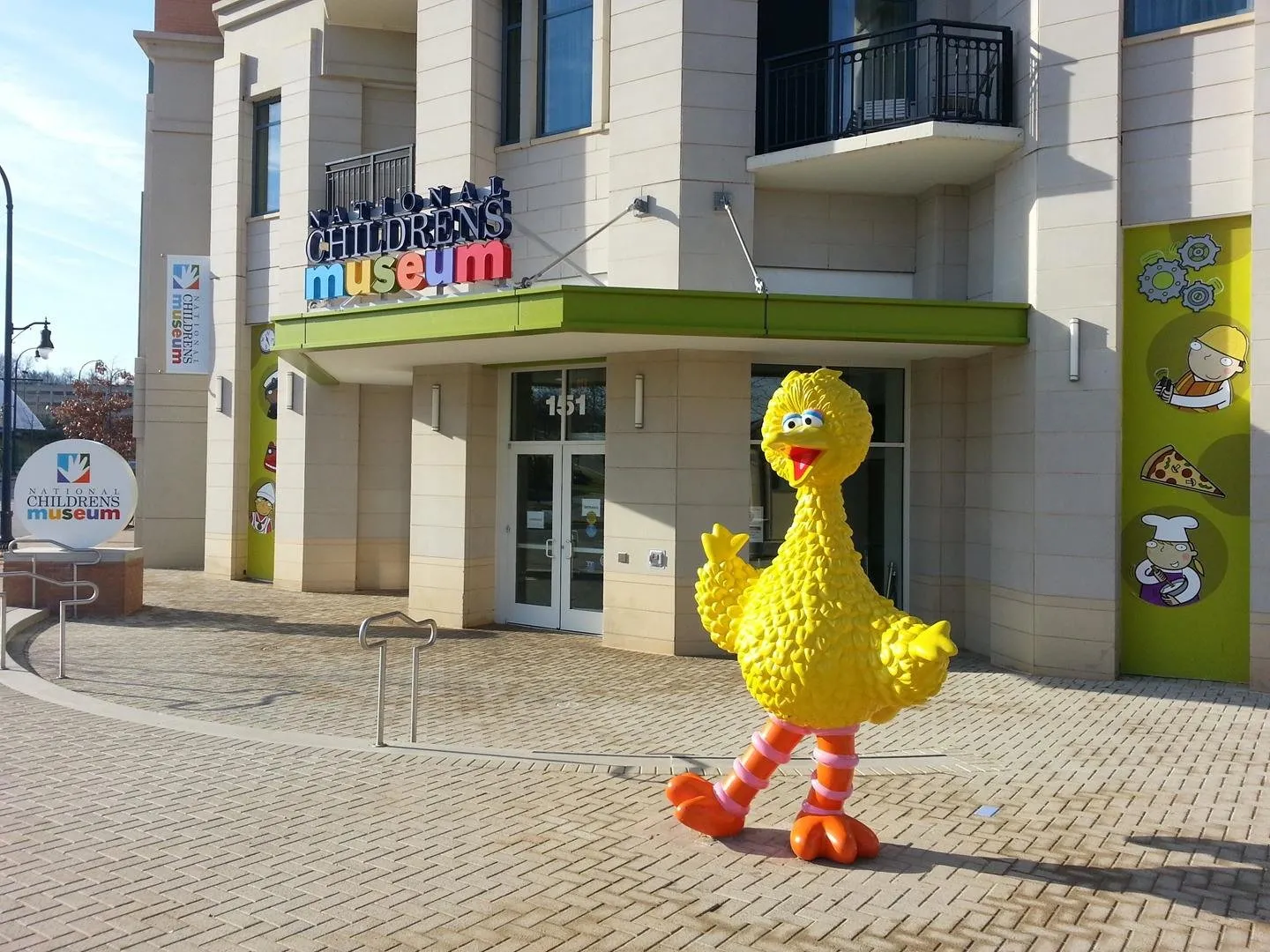
Our innovative signage solutions helped the Children’s Museum of Discovery create a bold, inviting entrance that draws in families and sparks curiosity. This featured project showcases the perfect mix of creativity, durability, and functionality to match the museum’s playful spirit.
Project Highlight
A vibrant, custom-designed sign package that blends playful design with high visibility—perfectly capturing the museum’s mission to engage and inspire young minds.