Make Your Mark with Monument Signs
Stand out with our custom monument signs that blend creativity and functionality. Perfect for businesses and communities looking to make a lasting impression.

Used by the world's leading companies, ANd Your Neighbors
What are Monument Signs?
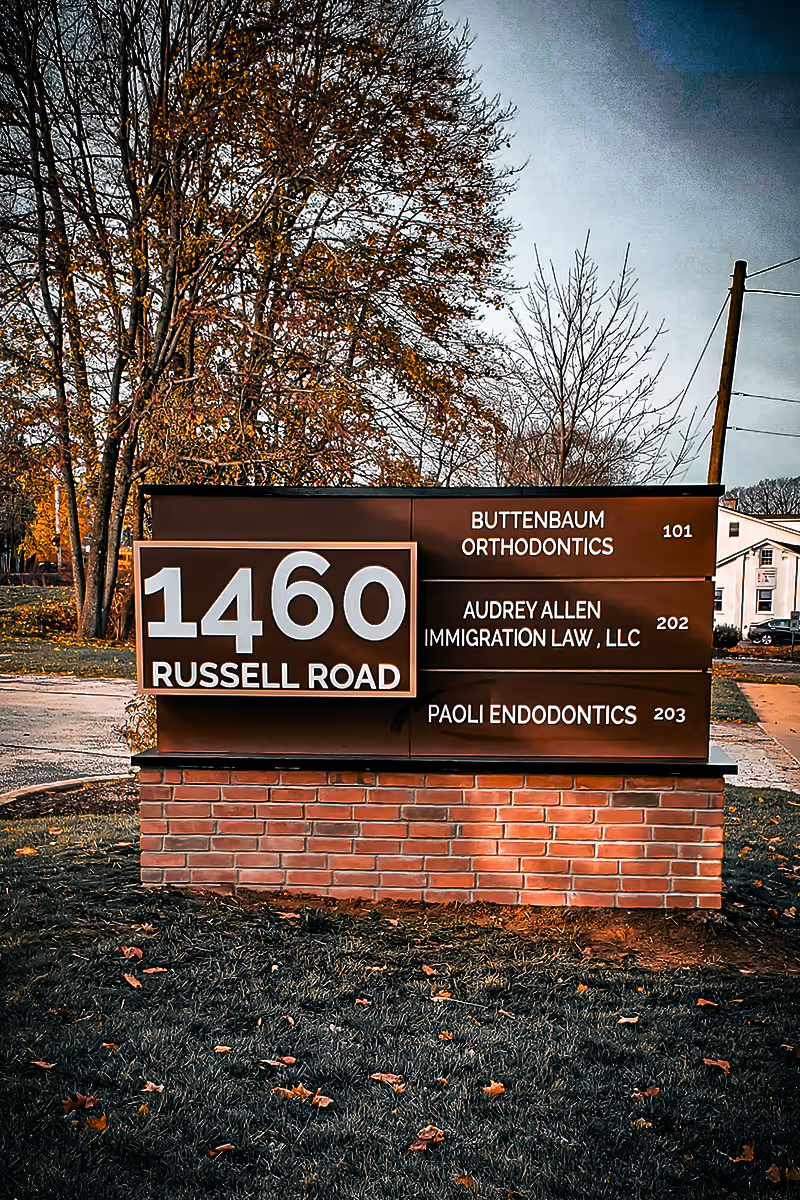
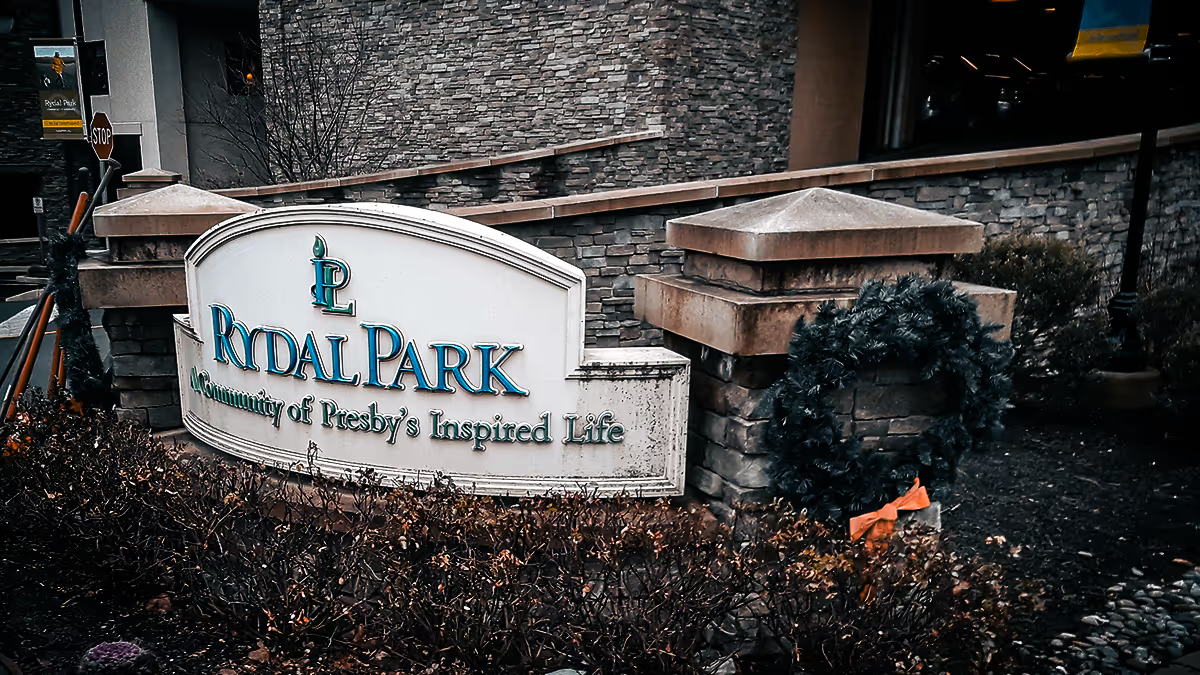
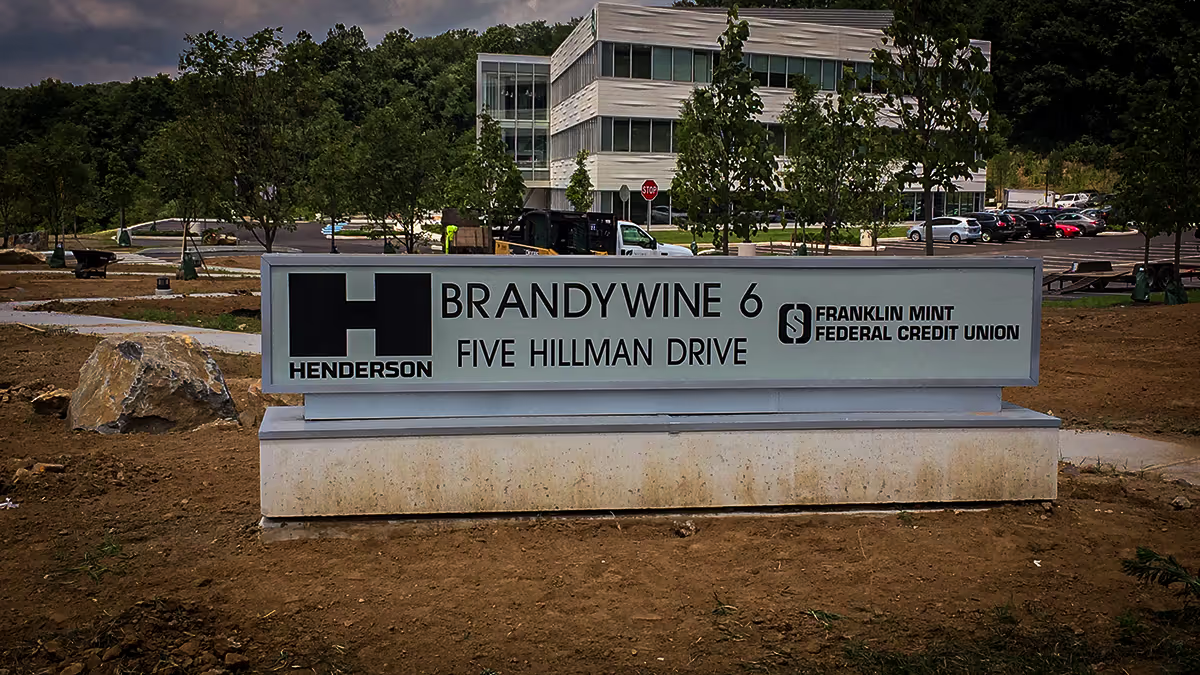
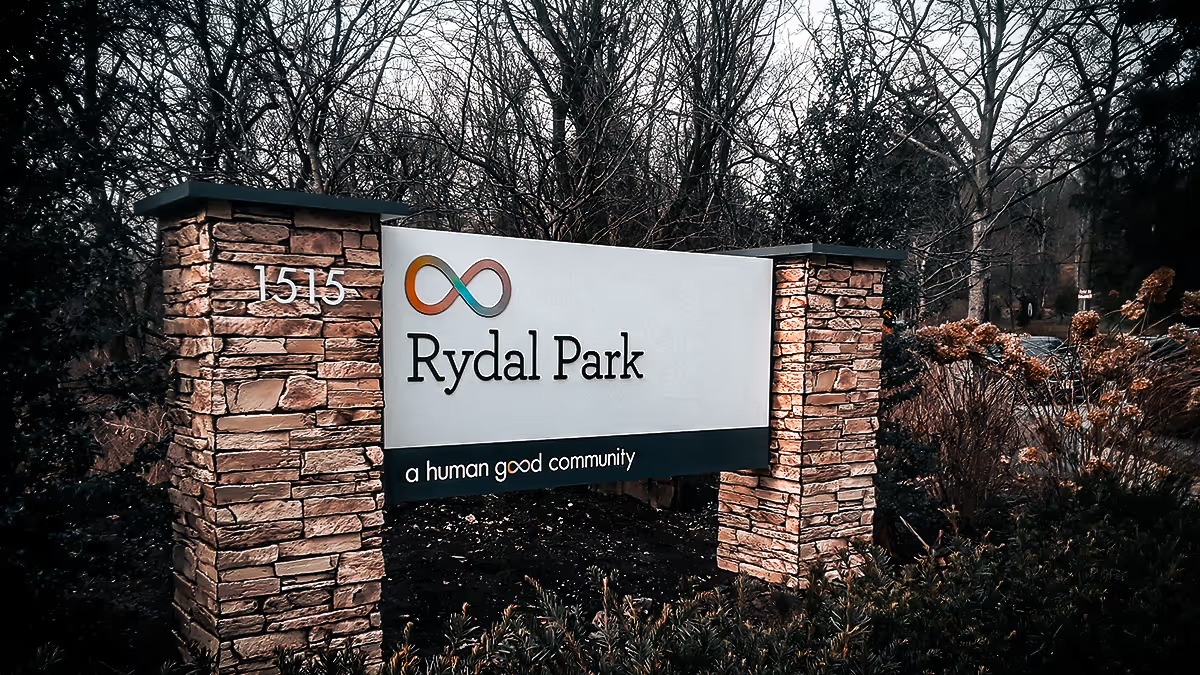
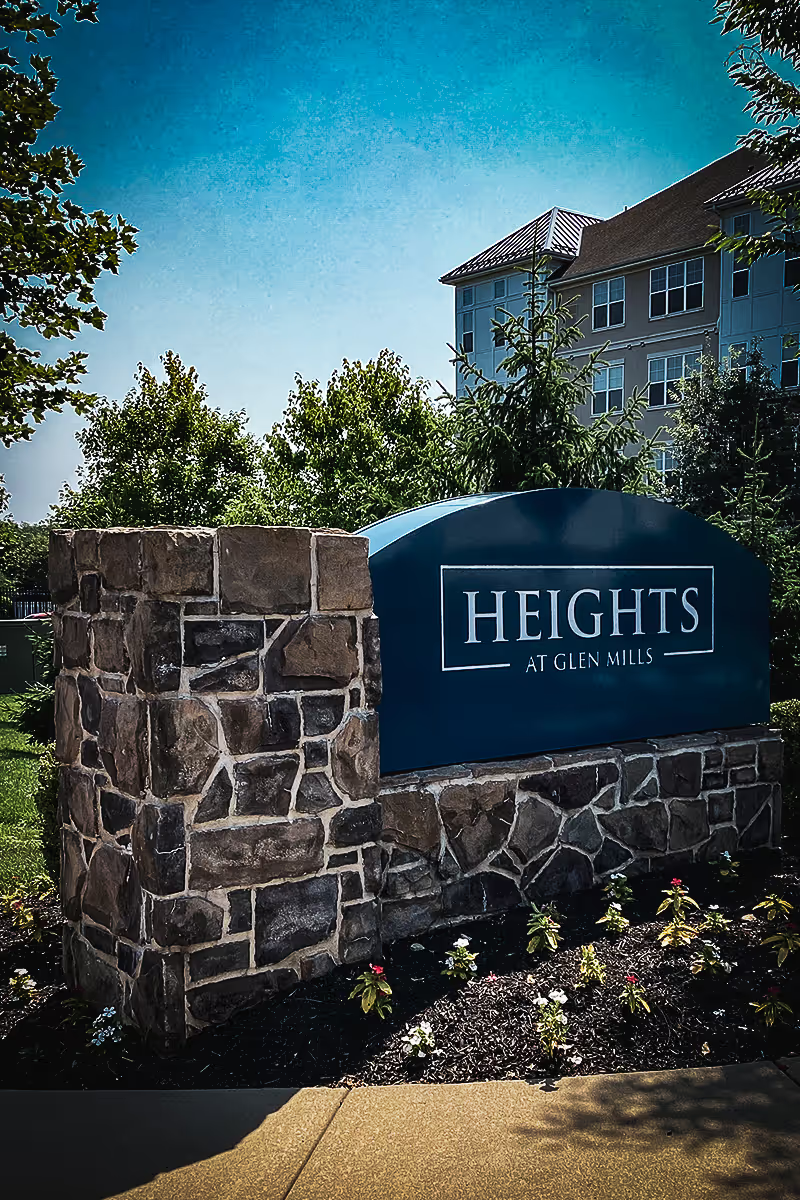
Monument signs are sturdy, freestanding structures that boost visibility and convey key information. Made from materials like stone, brick, or metal, they withstand weather while maintaining appeal. Commonly placed at business, school, and community entrances, they offer clear identification and direction. With options like lighting and digital displays, they can be tailored to specific branding needs, making them a versatile choice for organizations seeking a strong visual impact.

The Value of Monument Signs for Your Business
Monument signs are more than just markers; they embody your brand's identity and presence. They create a lasting impression, guiding customers to your location while enhancing the aesthetic of your property.
Brand Recognition
Stand out in your community and make your business memorable.
Durability Assurance
Crafted from high-quality materials to withstand the elements and time.
Custom Design
Tailored to reflect your unique brand and vision.
Increased Visibility
Attract more foot traffic with strategically placed, eye-catching signs.
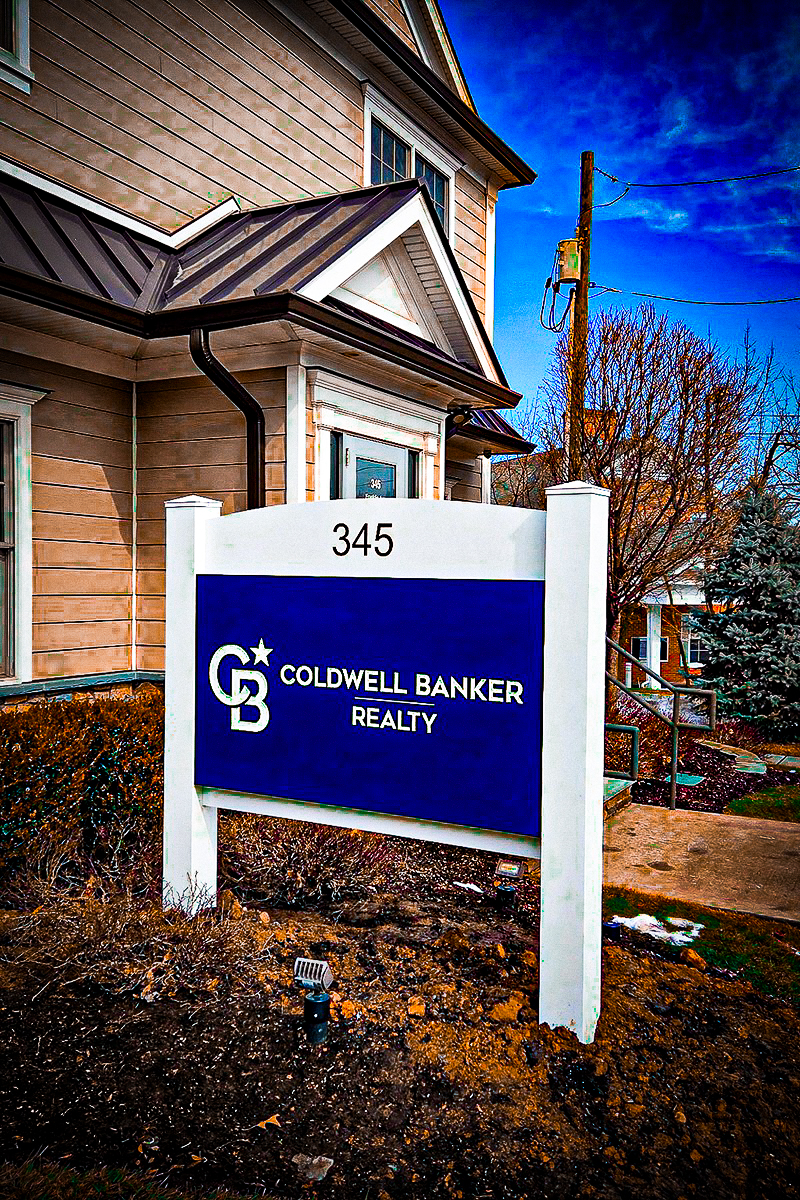
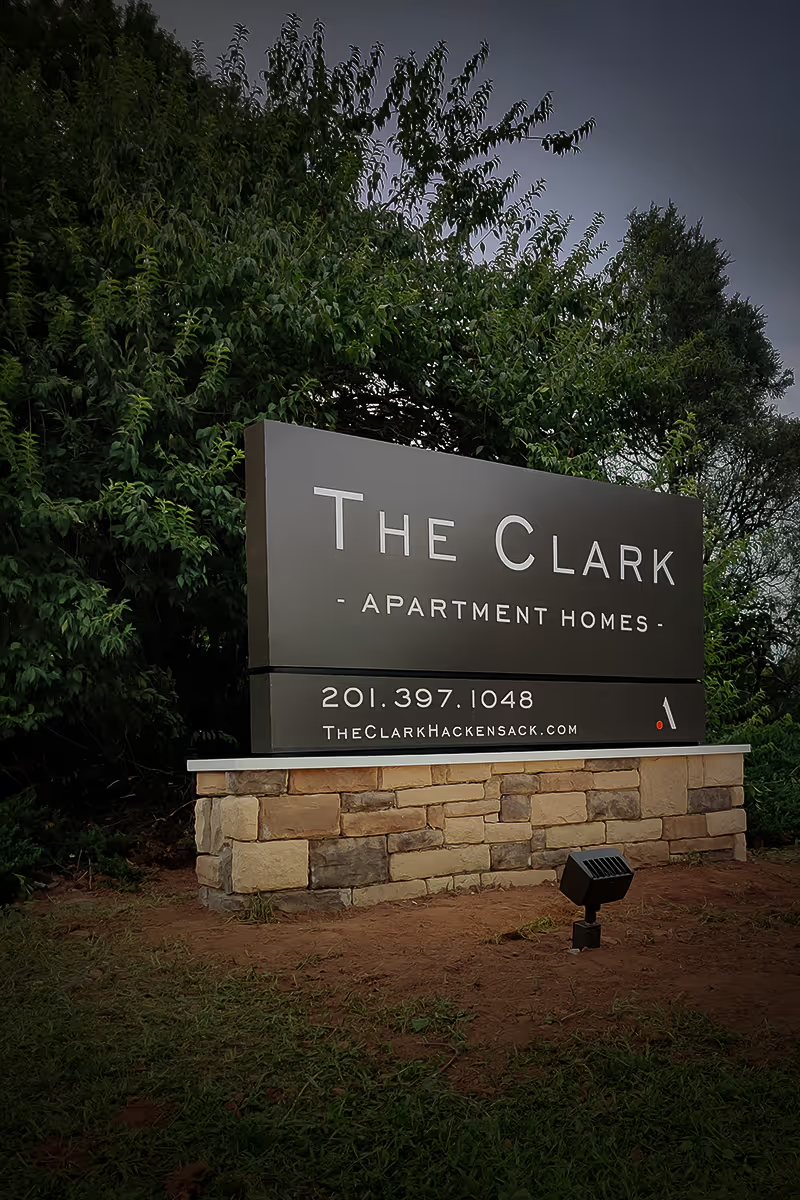
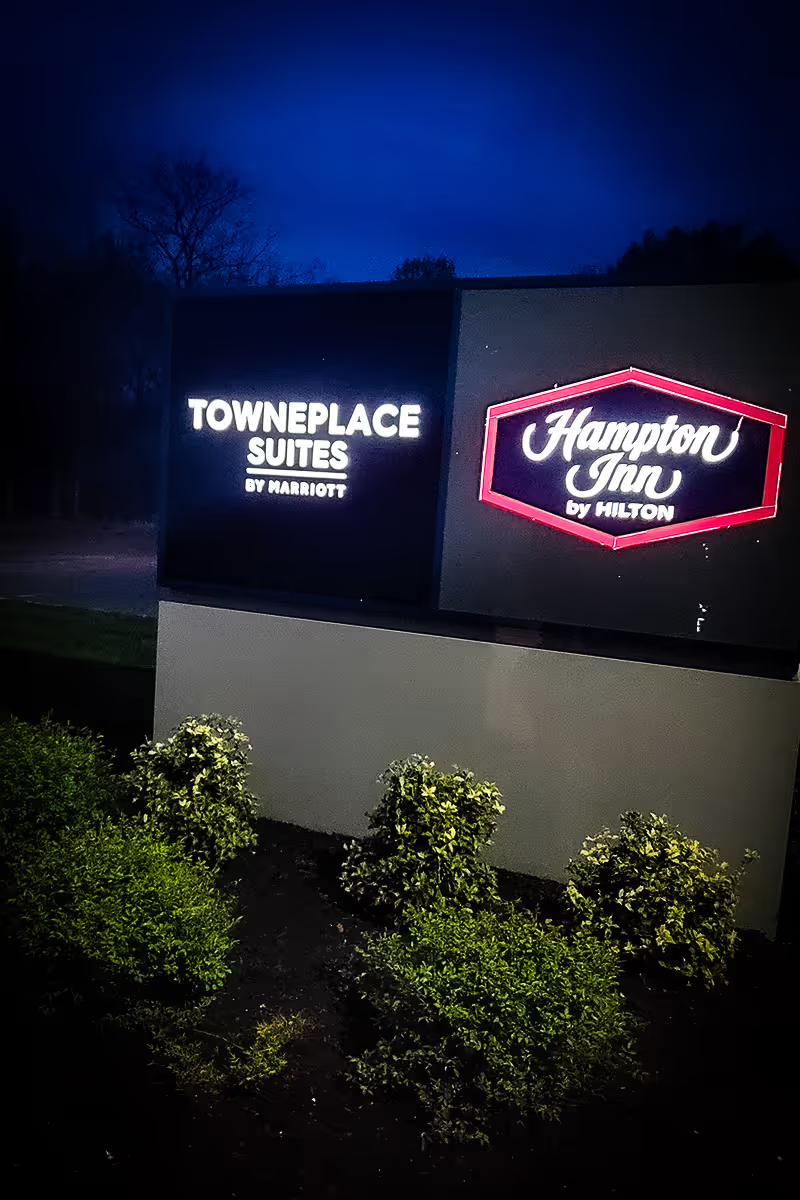
Monument Signs
Image Gallery









Be A StandOut Brand
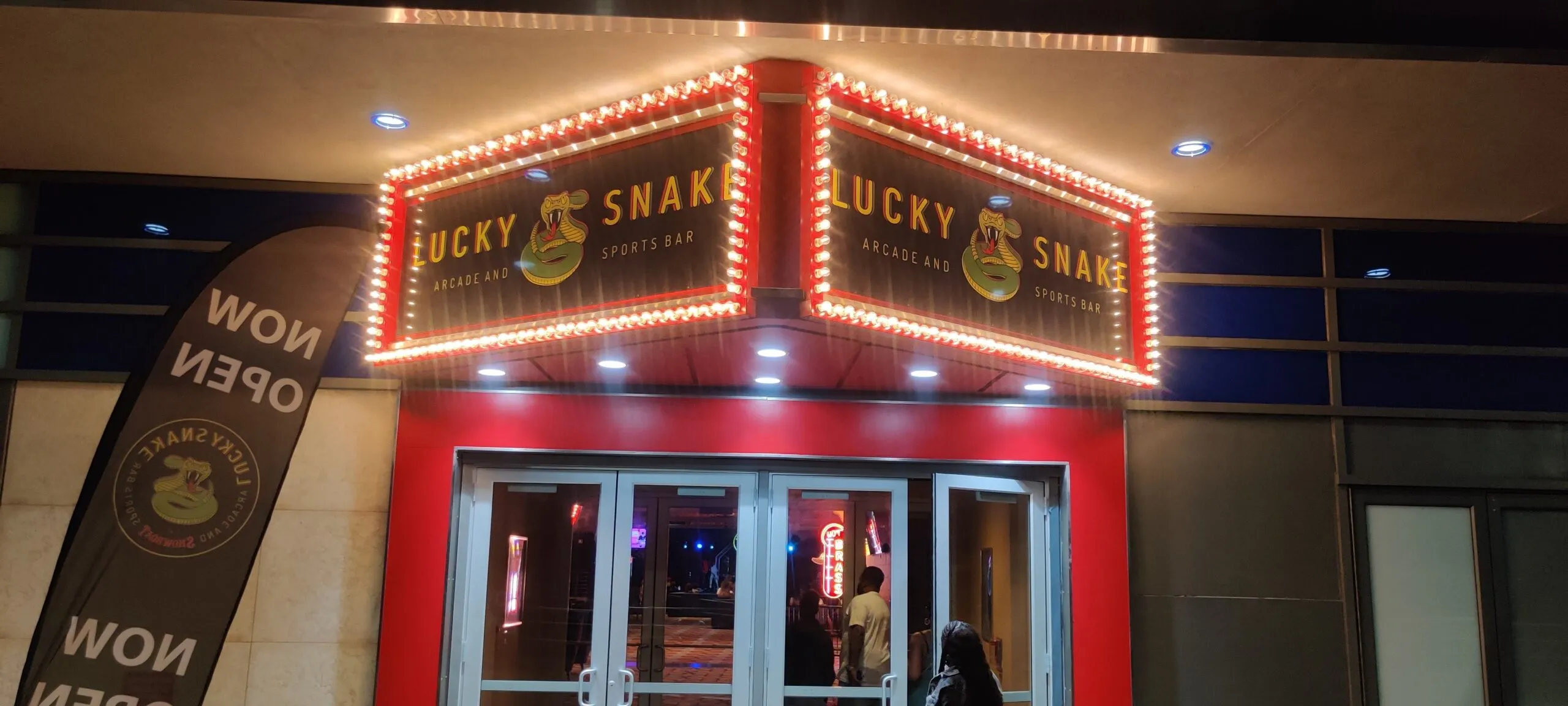
Your audience constantly encounters new brands. Whether you aim to outshine competitors, support your team, or enhance your image, our signage and awning solutions can help. Request a quote or contact us with questions.
Where Monument Signs Make an Impact
Monument signs serve as a powerful branding tool, enhancing visibility and recognition for businesses and organizations. They are perfect for establishing a strong presence in both commercial and community spaces.
Enhancing Business Identity
Monument signs effectively communicate your brand's identity and values to potential customers.
Community Engagement
They foster a sense of community by showcasing local businesses and organizations.
Directional Guidance
Monument signs provide essential wayfinding information, helping visitors navigate your location with ease.
Architectural Integration
They can seamlessly blend with architectural designs, enhancing the overall aesthetic of your property.
"The custom suspended signs from Martino Signs have elevated our visibility and professionalism. We couldn't be happier with the results!"


This is one of the best companies I've ever worked with. Response from start to finish was amazing. My salesman, Jared, was very responsive witth all my questions and followups for everything... GREAT COMPANY!
FAQs
Blade signs, projecting signs, monument signs, pylon signs, pole signs, cabinets, suspended signs and selected wayfinding signs may have two faces. Feasibility depends on structure, mounting, illumination, clearances, code and whether both approaches provide useful visibility.
Monument-sign pricing depends on dimensions, materials, masonry or architectural cladding, illumination, tenant capacity and landscaping integration. Engineering, foundation work, permits, electrical service, excavation and installation access also affect the total cost, so an accurate estimate requires a site-specific design.
Yes. Monument signs are frequently integrated with surrounding landscaping, decorative stone, ground lighting, and architectural features to create a polished and inviting entrance that reflects the character of the property.
Monument signs are popular because they provide strong property identification, architectural appeal, and professional branding while maintaining a clean, low profile appearance that complements the surrounding environment and elevates the overall perception of the development.
Yes. Professional monument signs are engineered for long term exterior use and built to withstand rain, snow, UV exposure, wind, and changing weather conditions.
Timing depends on design approvals, engineering, permits, material selection, foundation work, masonry, electrical service and concrete curing. The project may require several phases, so the full schedule is longer than the final on-site sign placement.
Yes. Monument-sign tenant panels can usually be replaced when occupancy or branding changes. The existing panel dimensions, retainers, lighting and landlord criteria should be confirmed so the new panel fits correctly and remains consistent with the rest of the property.
Structural engineering is commonly needed for monument signs with steel frames, masonry, large cabinets, digital displays or substantial wind exposure. The engineer evaluates the sign, connections and foundation so the completed structure transfers loads safely into the ground.
Yes. Monument signs are one of the most common sign types used at shopping center entrances because they provide clear tenant identification, strong property branding, and a professional appearance that complements the overall development.
Yes. A well designed monument sign creates a clean, professional, and upscale first impression that enhances property branding, improves visibility, and elevates the overall curb appeal of the entrance.
Major cost factors include overall size, structural frame, masonry or metal finishes, illuminated components, tenant panels and digital displays. Soil conditions, foundation design, engineering, permitting, electrical work, landscaping coordination and installation access can also change the project price.
A monument sign is a low profile freestanding sign installed close to the ground, designed to identify businesses, shopping centers, office parks, schools, healthcare facilities, and commercial properties with an architectural appearance that complements the surrounding environment.
Yes. Existing monument signs can often be improved with new faces, tenant panels, lighting, paint, cladding or masonry repairs. Martino Signs should inspect the frame, foundation, electrical system and finishes before determining whether refurbishment or full replacement offers better long-term value.
Yes. A monument sign can repeat building materials, colors, rooflines, masonry, metal details and landscaping so it feels integrated with the property. Branding and letter size must remain readable while the architectural treatment supports the desired first impression.
A multi-tenant monument sign identifies several businesses using individual panels or cabinet sections within one ground-level structure. Ownership and payment depend on the lease and property policy. Landlords often provide the shared structure, while tenants may pay for their individual panels, permits or installation.
Monument signs can combine structural steel or aluminum with masonry, stone veneer, brick, stucco, fabricated metal, acrylic, dimensional lettering and illuminated cabinets. Materials should complement the property while meeting structural, weather, maintenance and visibility requirements.
Most permanent monument signs require a concrete foundation sized for the sign’s structure, surface area, soil conditions and wind loads. The foundation may also need to coordinate with electrical conduit, landscaping, drainage and underground utilities.
Monument signs generally require zoning and building review because their size, location, structure and foundation are regulated. Illuminated signs may also require electrical permits. In Philadelphia, exterior signs require zoning approval and generally require a building permit, subject to stated exceptions.
Monument signs sit close to the ground and are designed to blend with the surrounding architecture and landscaping, giving properties a polished, upscale look. Pylon signs are much taller freestanding signs built specifically for long distance roadside visibility along busy roads and highways.
Monument signs can use internal LED cabinets, external ground-mounted fixtures, halo-lit letters, push-through acrylic graphics or an integrated digital message center. The best option depends on the desired appearance, sign construction, landscaping, electrical access, maintenance and local lighting limits.
Yes. Multi tenant monument signs are designed specifically for shopping centers, office parks, and commercial properties where multiple businesses need to be identified from a single entrance sign.
A well-designed monument sign can remain in service for many years, although faces, finishes, masonry, lighting and landscaping may require attention at different intervals. Routine inspections and prompt repairs help prevent water, corrosion, electrical or settlement issues from becoming larger problems.
Monument signs are commonly used by shopping centers, office parks, apartment complexes, schools, churches, healthcare facilities, hotels, residential communities, and commercial developments seeking a professional and architectural entrance presence.
Pylon signs are taller freestanding signs elevated on poles or enclosed columns, designed for long distance roadway visibility from high speed traffic. Monument signs are lower profile architectural signs typically installed closer to entrances and landscaping, providing a more polished property identity at ground level.
A pylon sign is a tall freestanding sign designed for long-distance visibility from busy roads or highways, while a monument sign sits closer to the ground and usually has a more architectural appearance. The best choice depends on traffic speed, viewing distance, property design, available space and local height restrictions.
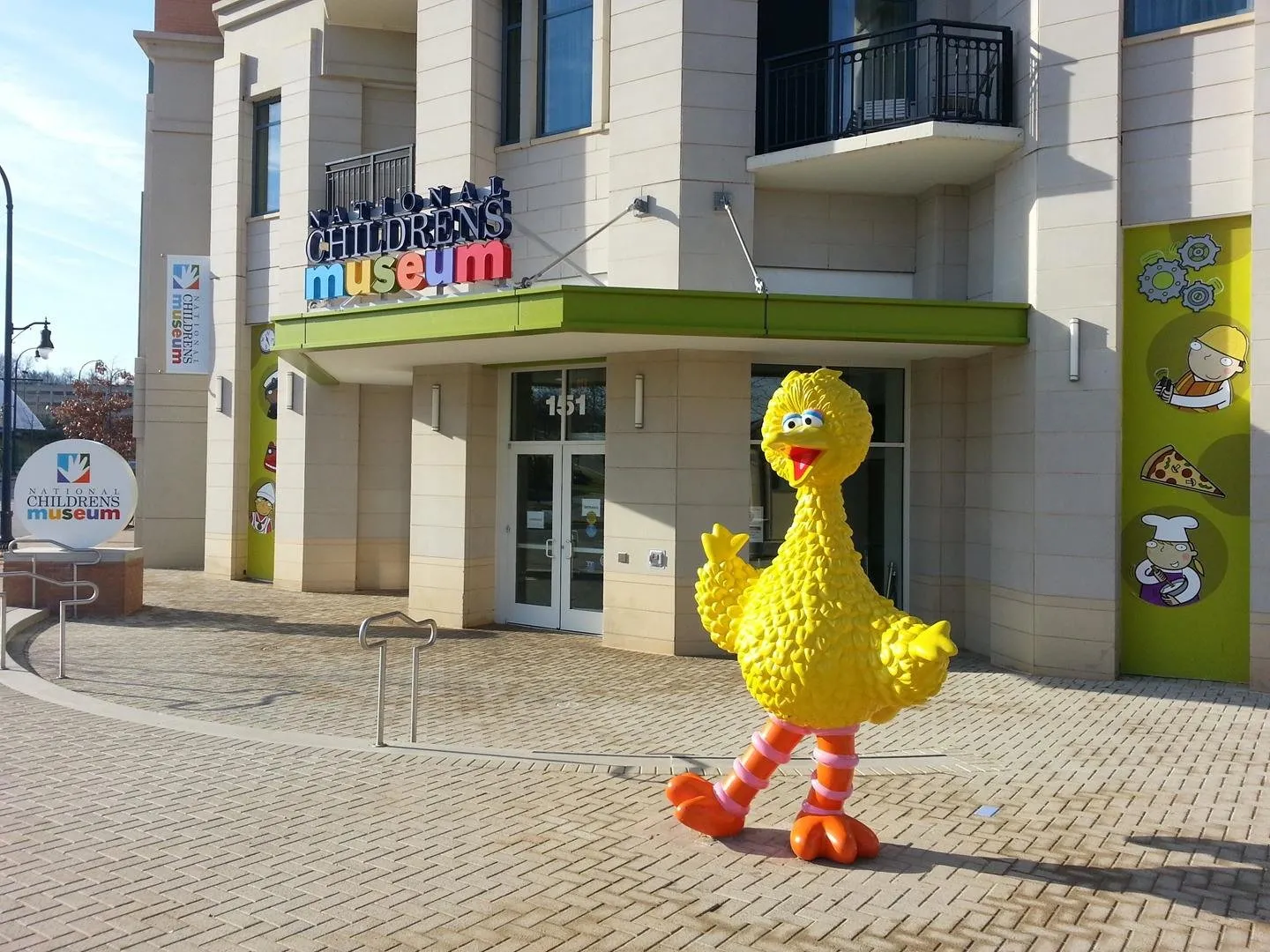
Transforming Spaces with Custom Signage Solutions
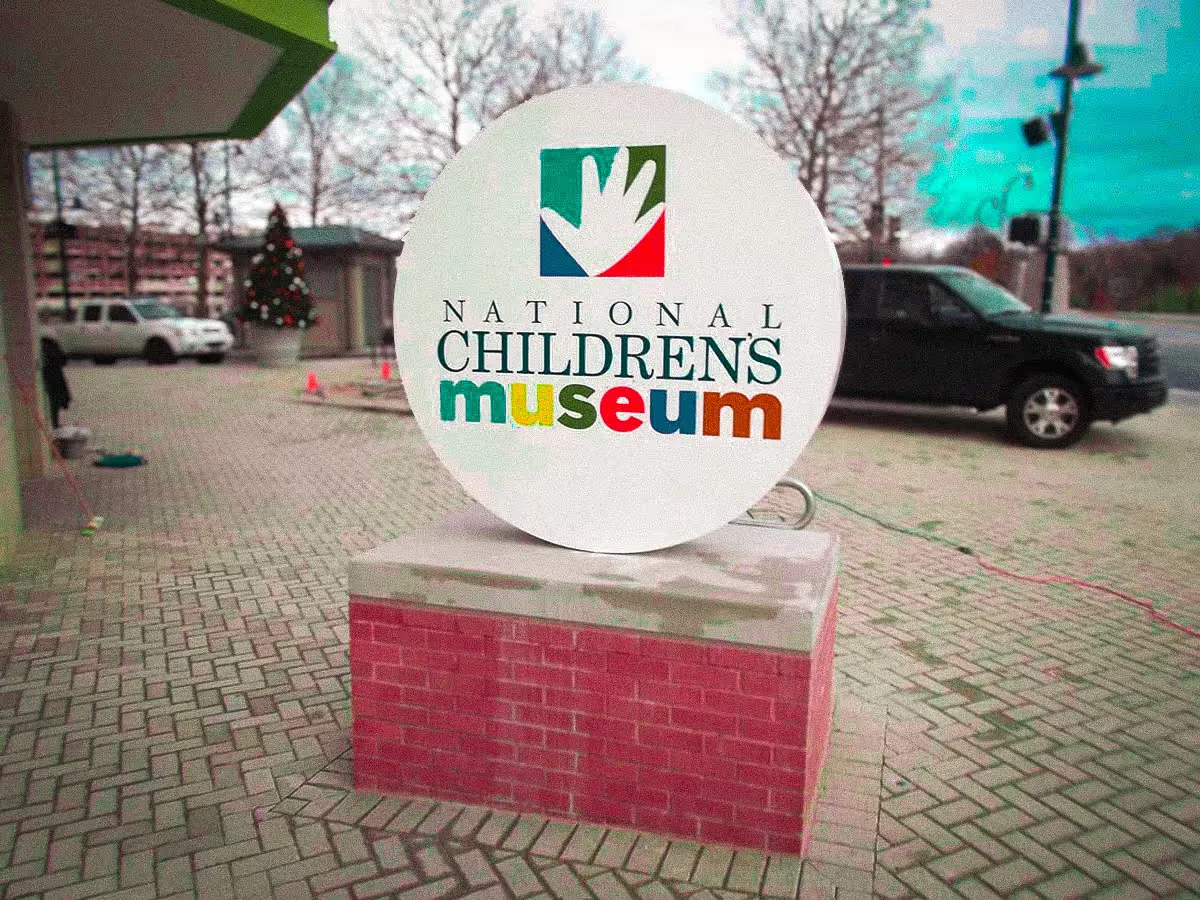
Our innovative signage solutions helped the Children’s Museum of Discovery create a bold, inviting entrance that draws in families and sparks curiosity. This featured project showcases the perfect mix of creativity, durability, and functionality to match the museum’s playful spirit.
Project Highlight
A vibrant, custom-designed sign package that blends playful design with high visibility—perfectly capturing the museum’s mission to engage and inspire young minds.