Enhance Your Outdoor Experience with Traditional Awnings
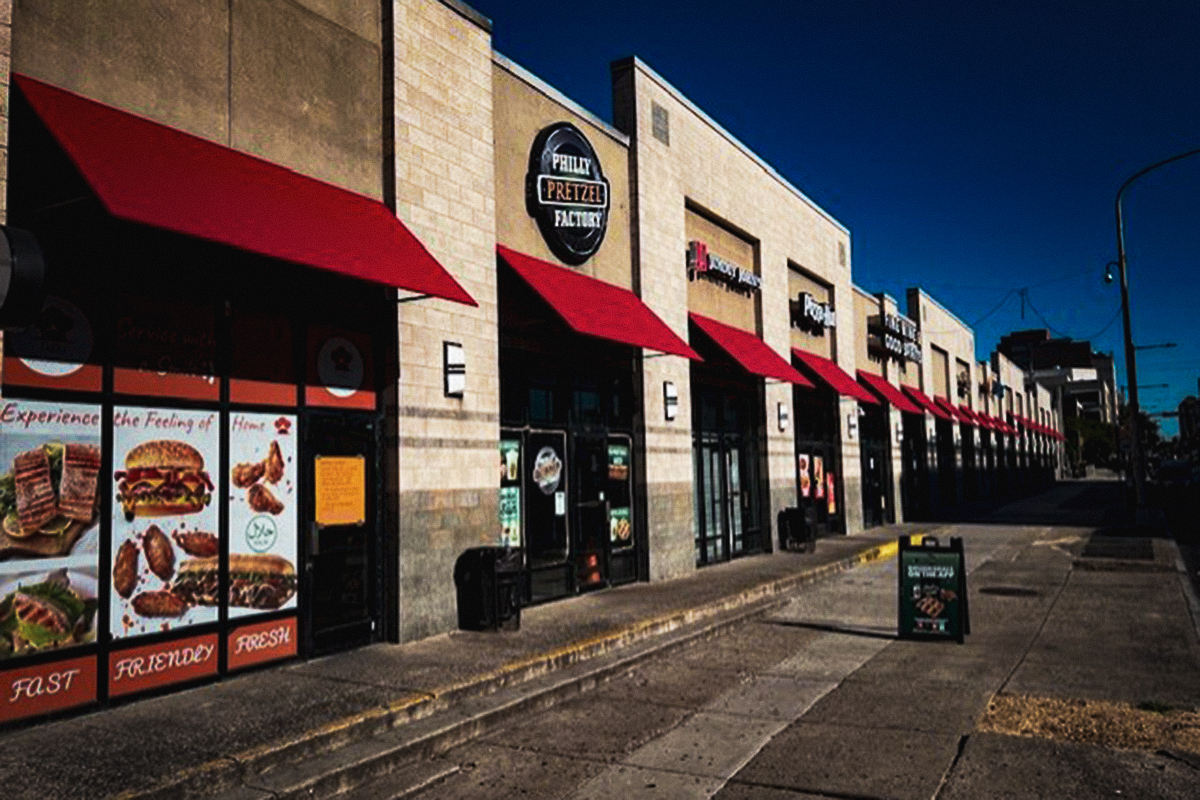
Enhance your outdoor space with our traditional commercial awnings. These classic designs offer reliable shade and protection, making them a perfect addition to any business setting.
Used by the world's leading companies, And Your Neighbors:
What are Traditional Commercial Awnings?
Traditional outdoor awnings are fixed structures that provide shade and protection from the elements. Typically made from durable materials like canvas or metal, these awnings are mounted above windows, doors, or patios. They offer a classic aesthetic and are known for their reliability and low maintenance. Unlike retractable or motorized awnings, traditional awnings remain in a fixed position, providing constant coverage and stability.

Traditional Awnings
Image Gallery


Transform Your Space with Traditional Commercial Awnings
Traditional commercial awnings offer a timeless blend of style and practicality, providing consistent shade and protection for your outdoor areas. These fixed structures enhance the visual appeal of your business while ensuring durability and low maintenance.
Cost Savings
Reduce energy bills by blocking sunlight and keeping your interiors cooler.
Versatile Solutions
Provide consistent, all-day shade for customers — no manual adjustments required.
Aesthetic Appeal
Enhance your property's curb appeal with stylish and functional awning designs.
Durable Materials
Crafted from high-quality materials for long-lasting performance and reliability.

Be A Standout Brand
Your audience constantly encounters new brands. Whether you aim to outshine competitors, support your team, or enhance your image, our signage and awning solutions can help. Request a quote or contact us with questions.
DISCOVER THE PERMANENCE OF TRADITIONAL AWNINGS
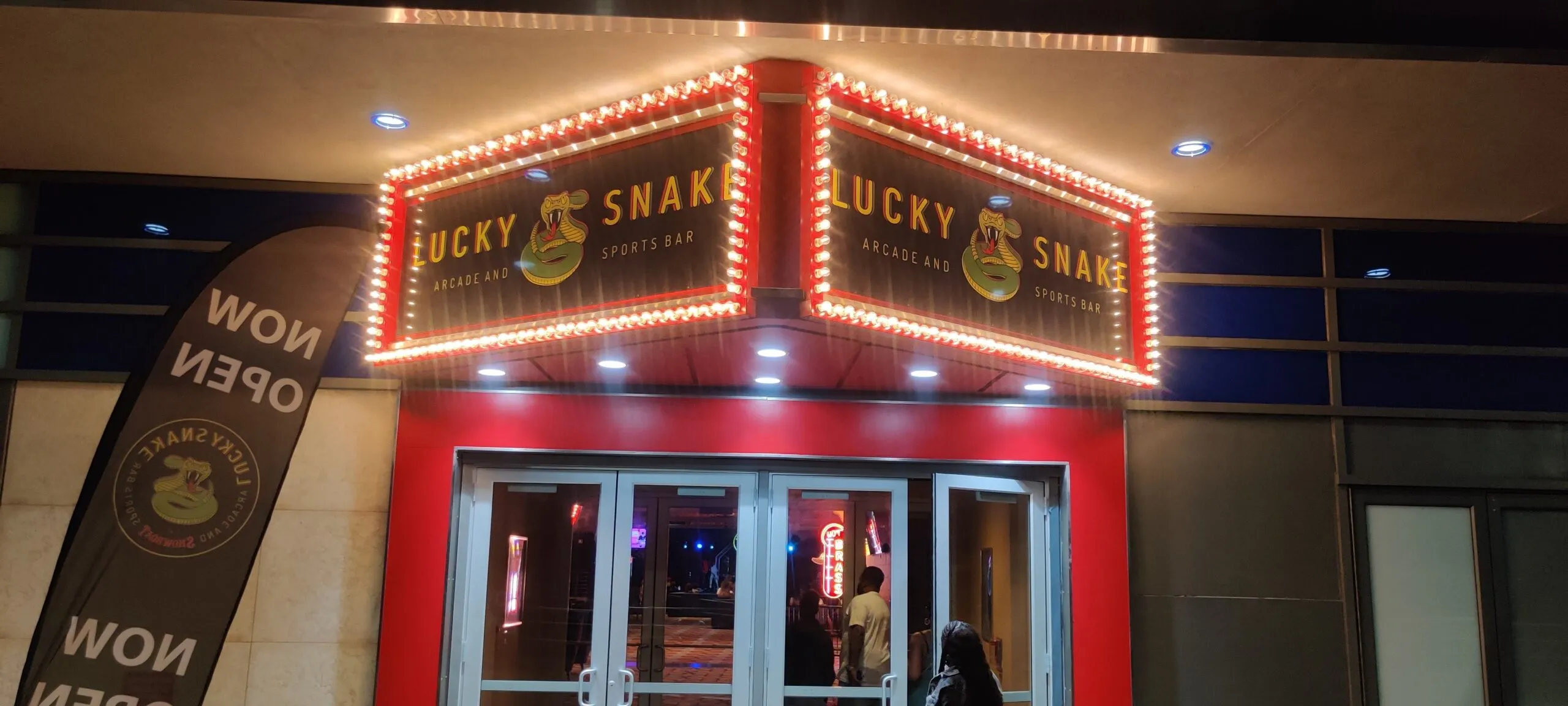
Traditional fixed and manual awnings provide a rugged, low-maintenance solution for commercial properties. Built to withstand the elements, these structures offer year-round weather protection and a classic architectural profile that enhances storefront visibility and customer comfort.
Outdoor dining areas
Expand your outdoor dining area with permanent shade structures, ensuring guest comfort without electronic components.
COMMERCIAL STOREFRONTS
Enhance brand visibility with custom graphics on traditional awnings. These stable structures protect merchandise from UV damage and reduce heat gain through windows.
PROFESSIONAL BUILDING ENTRANCES
Create a refined, sheltered entrance for clients and employees. Fixed canopies offer essential protection from weather, reducing maintenance costs and enhancing the professional look of office complexes.
MUNICIPAL & EDUCATIONAL FACILITIES
Install durable, tamper-proof shades for busy areas. Ideal for schools, daycare centers, and public buildings, these manual and fixed systems prioritize long-term durability and reliability.
"The custom suspended signs from Martino Signs have elevated our visibility and professionalism. We couldn't be happier with the results!"


This is one of the best companies I've ever worked with. Response from start to finish was amazing. My salesman, Jared, was very responsive witth all my questions and followups for everything... GREAT COMPANY!
Transforming Spaces with Custom Signage Solutions
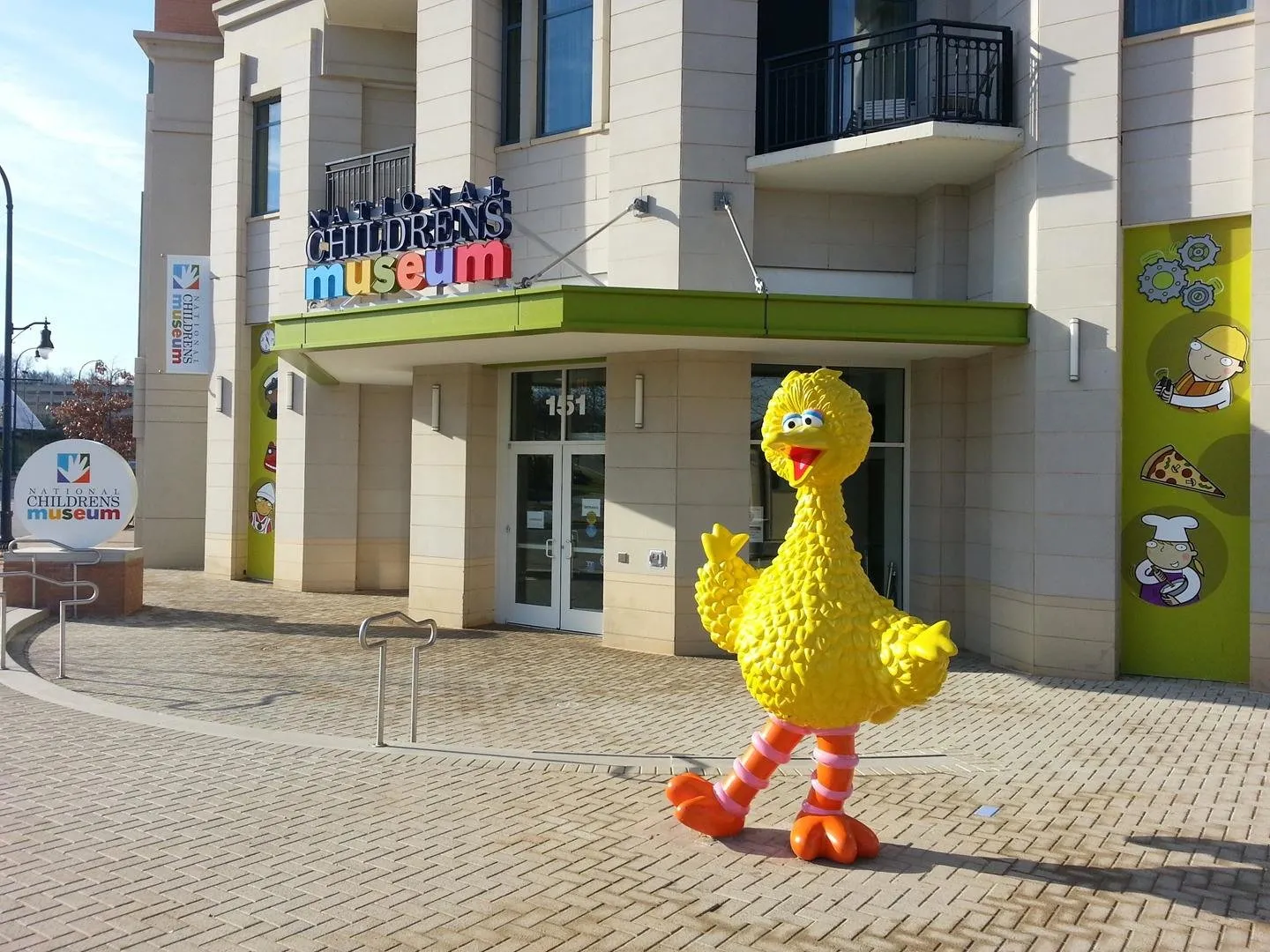
Our innovative signage solutions helped the Children’s Museum of Discovery create a bold, inviting entrance that draws in families and sparks curiosity. This featured project showcases the perfect mix of creativity, durability, and functionality to match the museum’s playful spirit.
Project Highlight
A vibrant, custom-designed sign package that blends playful design with high visibility—perfectly capturing the museum’s mission to engage and inspire young minds.
FAQs
Permit requirements depend on the project and jurisdiction. In Philadelphia, exterior signs require zoning approval and generally require a building permit, with stated exceptions for certain painted, adhesive or vinyl work. Illuminated signs also require electrical permitting. Awning and canopy requirements depend on their design, attachment and location.
A traditional commercial awning is a fixed fabric-covered frame installed over a storefront, entrance, window or outdoor area. It provides shade and weather protection while creating a highly visible architectural feature that can display the business’s name, logo or colors.
A metal canopy uses rigid metal framing and roofing to provide long-term weather protection with a modern architectural appearance. A commercial awning generally uses fabric stretched over a frame, making it lighter, more flexible and easier to update when colors or branding change.
A commercial awning can improve storefront visibility, reinforce branding, provide shelter for customers and reduce direct sunlight through windows. Restaurants, retailers, hotels, apartment buildings, offices and other public-facing businesses also use awnings to make entrances easier to identify and more inviting.
Commercial awnings are available in shed, sloped, concave, convex, dome, waterfall and other custom shapes. The best style depends on the building architecture, available mounting area, desired projection, drainage, branding and the amount of coverage required.
A winter vestibule encloses the entrance to help control drafts and interior temperatures. An awning or entrance canopy primarily provides overhead protection from sun, rain and snow but does not create the enclosed airlock effect of a vestibule.
A fixed awning remains extended at all times and is built around a permanent frame, making it well suited to storefront branding and consistent entrance protection. A retractable awning can be extended or retracted as needed, providing more flexibility for patios, outdoor dining areas and spaces where adjustable shade is preferred.
The cost depends on the awning’s size, shape, frame construction, fabric, graphics, mounting conditions and installation requirements. A site survey and measurements are usually needed to develop an accurate estimate for a custom commercial awning.
Major cost factors include overall width and projection, frame complexity, fabric selection, printed or applied graphics, installation height and building attachment requirements. Permits, engineering, electrical work, equipment access and removal of an existing awning may also affect the project price.
Traditional commercial awnings typically use welded or mechanically fastened aluminum or steel frames covered with commercial-grade fabric. Fabric options may include solution-dyed acrylic, vinyl-coated material and other weather-resistant textiles selected for durability, color retention, cleanability and graphics.
Yes. Commercial awnings can incorporate company names, logos, addresses and other branding through applied vinyl, painted graphics or printed fabric. Artwork should be planned with the awning shape and viewing distance so the message remains clear and readable.
Awning dimensions are based on the storefront, entrance or window being covered, along with mounting height, pedestrian clearance, sun exposure and desired weather protection. Local regulations and sidewalk conditions may also limit how far an awning can project from the building.
A professionally fabricated awning is designed for normal outdoor exposure and can provide protection from sun and rain. Performance in wind and snow depends on the frame, fabric, projection, attachment method and local conditions. Fabric awnings should not be treated as snow-storage structures unless specifically engineered for those loads.
Lighting and other accessories can often be incorporated when they are considered during design. Electrical components, heaters and screens may require additional clearances, structural support or permits, so they should be coordinated before the frame is fabricated.
A properly fabricated frame can often remain in service through multiple fabric-cover replacements. Fabric lifespan varies based on material, sun exposure, weather, maintenance and physical damage, while frames and attachment points should be inspected periodically for corrosion, movement or deterioration.
Yes. Most permanent awnings require permits regardless of whether they have graphics, because they are structurally attached to the building and must comply with local building and safety codes.
Routine maintenance includes removing dirt and debris, cleaning the fabric with products approved for the material, checking seams and graphics, and inspecting the frame and building attachments. Addressing small tears, loose fasteners or drainage problems early can help prevent more expensive repairs.
Often, yes. If the existing frame is properly sized, securely attached and structurally sound, the old fabric may be removed and replaced with a new cover. Martino Signs can inspect the frame, repair damaged components and determine whether recovering it is more practical than complete replacement.
The timeline depends on measurements, design approvals, permits, fabric availability, graphics and frame complexity. Installation can usually be coordinated while the business remains open, although the entrance, sidewalk or nearby parking area may need to be temporarily restricted for equipment and pedestrian safety.
A pergola is a column-supported architectural structure that defines an outdoor area, while a retractable awning typically extends from a building and can be opened or closed as needed. The better choice depends on property layout, desired coverage, branding, weather goals, structure and budget.
Possibly. The supporting structure must have suitable dimensions, attachment locations and capacity for the screen system and operating loads. Existing awnings or canopies may need inspection or modification. Integration should be planned before fabrication whenever possible.