Elevate Your Outdoor Experience with Retractable Awnings
Transform your outdoor space with our premium retractable awnings. Enjoy the perfect blend of shade and sunlight at your convenience.
Used by the world's leading companies, And Your Neighbors:
What are Retractable Awnings?
Retractable awnings are versatile outdoor coverings that can easily be extended or retracted based on weather conditions or personal preference. Designed to provide shade and protection from the elements, these awnings are often used in patios, decks, and windows, enhancing comfort and energy efficiency. They come in various styles and materials, allowing homeowners to choose an option that complements their aesthetic.

Retractable Awnings
Image Gallery
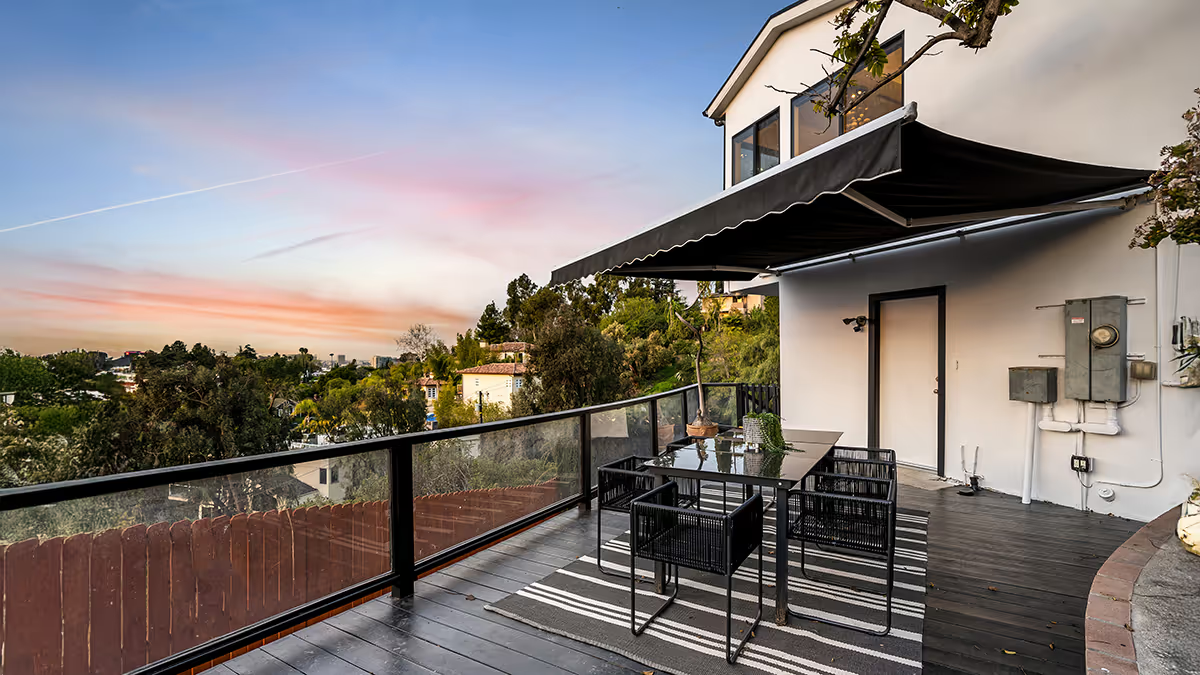

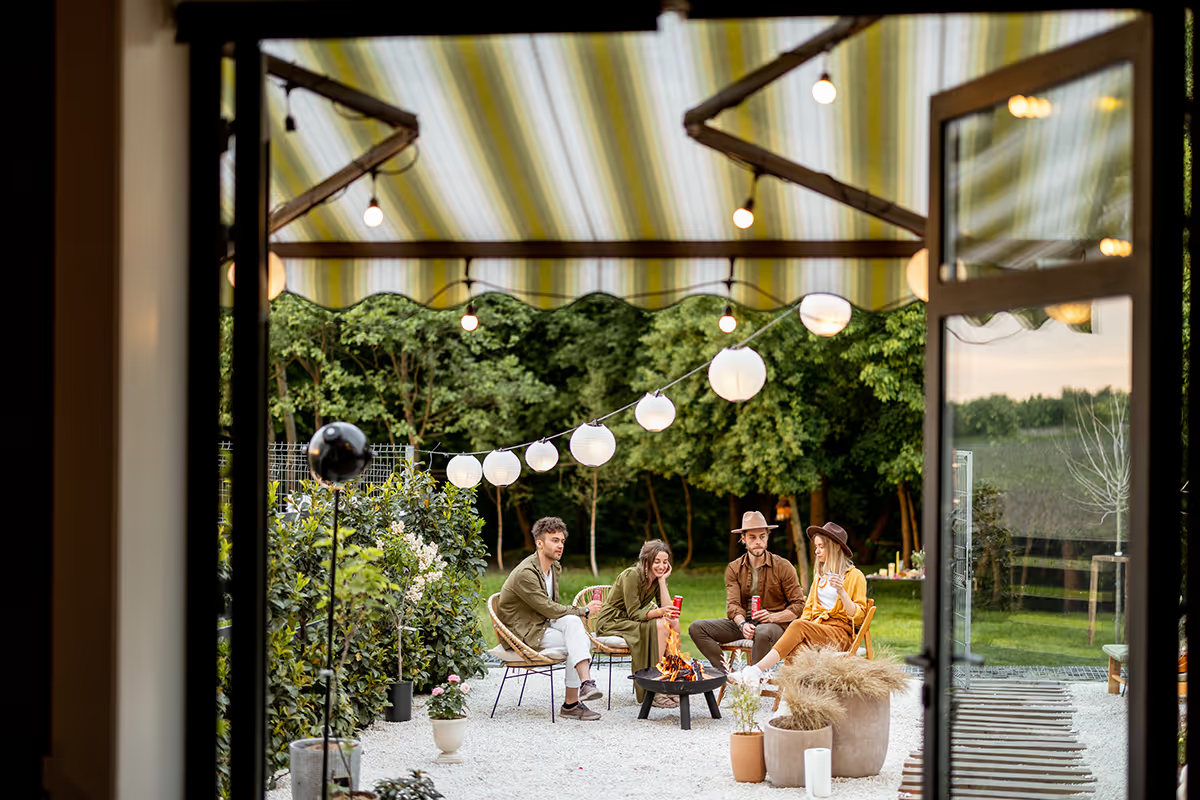
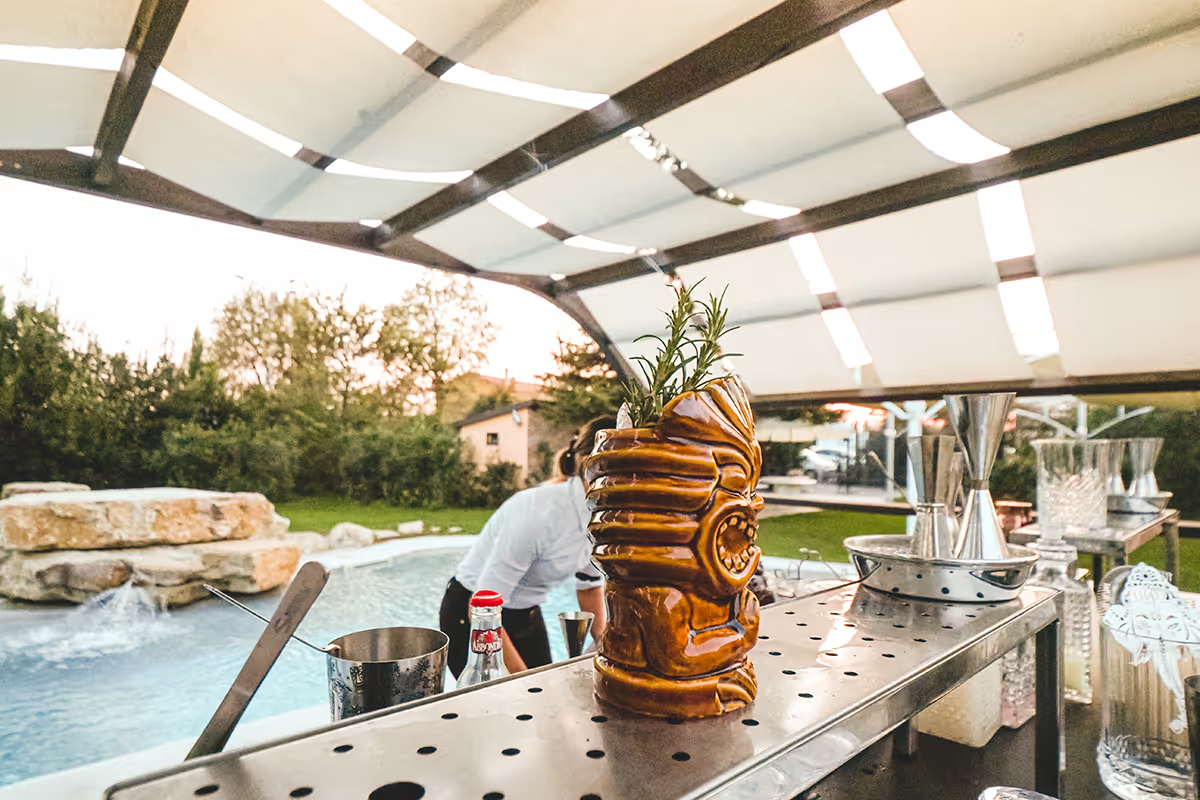

Transform Your Space with Retractable Awnings
Retractable awnings provide a perfect blend of functionality and style, allowing you to enjoy your outdoor spaces while protecting them from the elements. They not only enhance the aesthetic appeal of your property but also help you save on energy costs.
Cost Savings
Reduce energy bills by blocking sunlight and keeping your interiors cooler.
Versatile Solutions
Easily adjust the shade to suit your needs throughout the day.
Aesthetic Appeal
Enhance your property's curb appeal with stylish and functional awning designs.
Durable Materials
Crafted from high-quality materials for long-lasting performance and reliability.

Be A StandOut Brand
Your audience constantly encounters new brands. Whether you aim to outshine competitors, support your team, or enhance your image, our signage and awning solutions can help. Request a quote or contact us with questions.
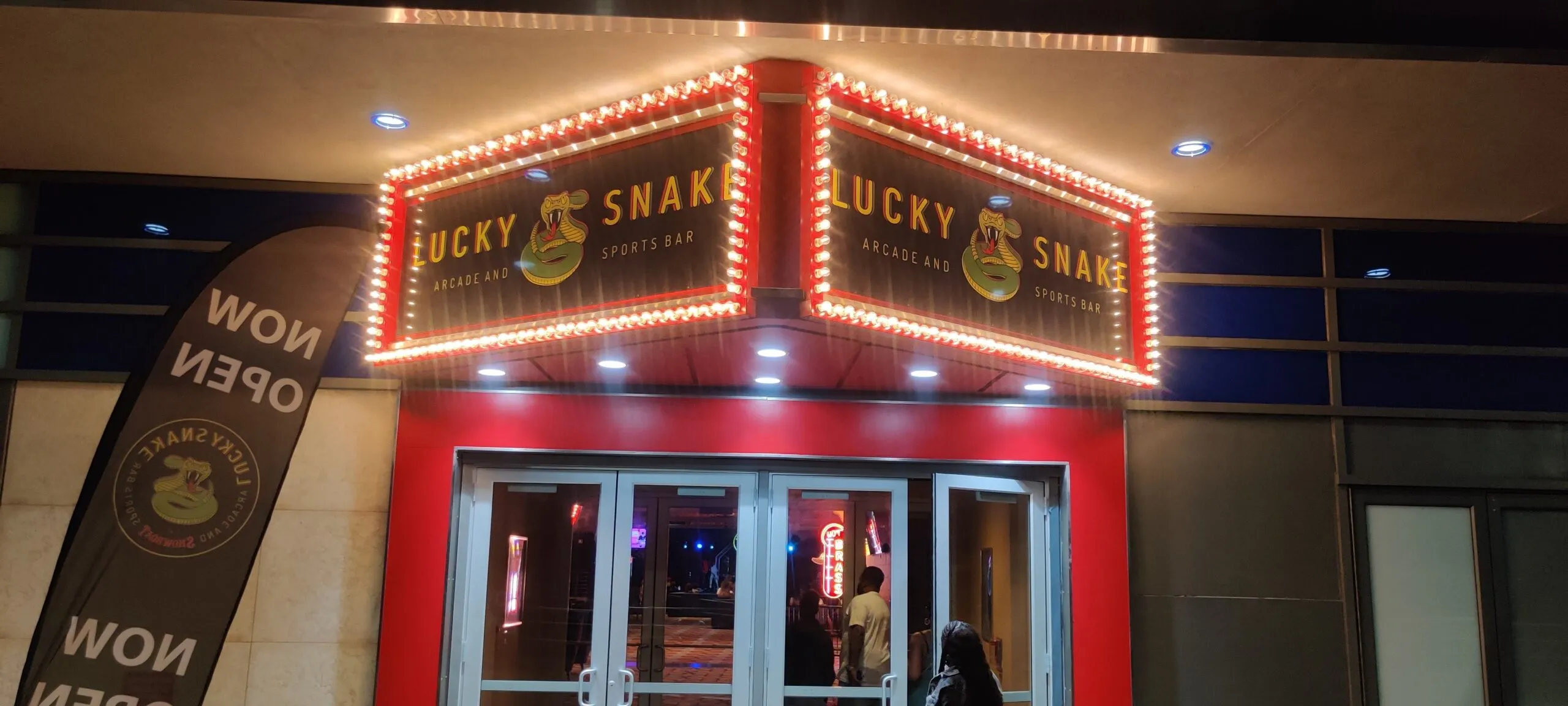
Discover the Versatility of Retractable Awnings
Retractable awnings offer a perfect blend of style and functionality, enhancing outdoor spaces while providing shade. They are ideal for both residential and commercial settings, ensuring comfort and protection from the elements.
Outdoor dining areas
Provide flexible shade and weather protection for restaurants, cafes, or patios. Businesses can serve more guests regardless of sun or rain.
Retail storefronts and display windows
Protect merchandise and create visual appeal while giving staff the option to retract the awning for better natural light or nighttime visibility.
Office or building entrances
Offer guests and employees shelter from sun and rain as they enter. The awning can be retracted to maintain a clean architectural profile when not in use.
School or daycare pickup zones
Add comfort and protection for waiting students and parents during pickup and drop-off times, with the ability to retract when not needed.
"The custom suspended signs from Martino Signs have elevated our visibility and professionalism. We couldn't be happier with the results!"


This is one of the best companies I've ever worked with. Response from start to finish was amazing. My salesman, Jared, was very responsive witth all my questions and followups for everything... GREAT COMPANY!
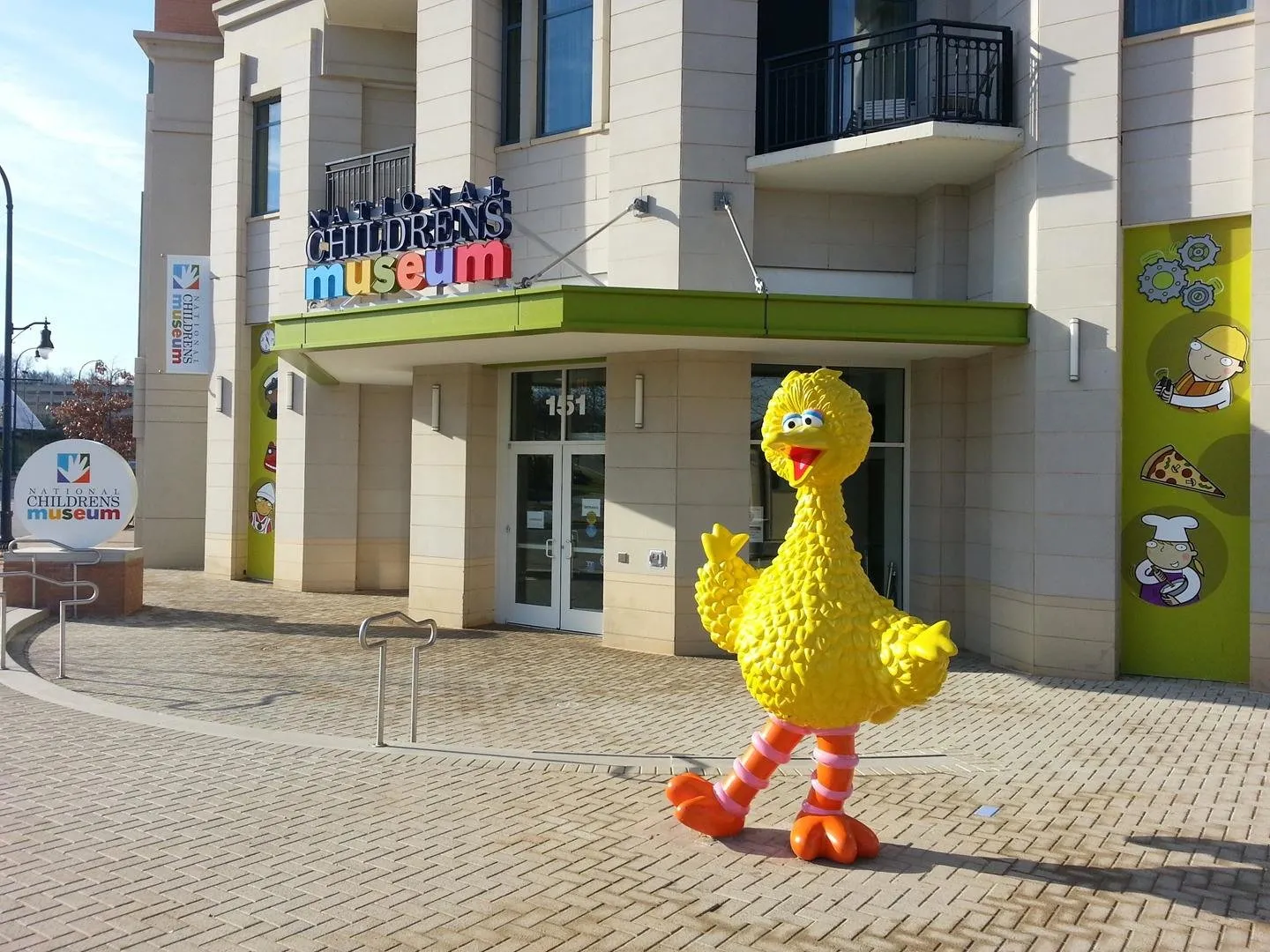
Transforming Spaces with Custom Signage Solutions
Our innovative signage solutions helped the Children’s Museum of Discovery create a bold, inviting entrance that draws in families and sparks curiosity. This featured project showcases the perfect mix of creativity, durability, and functionality to match the museum’s playful spirit.
Project Highlight
A vibrant, custom-designed sign package that blends playful design with high visibility—perfectly capturing the museum’s mission to engage and inspire young minds.
FAQs
A pergola is a column-supported architectural structure that defines an outdoor area, while a retractable awning typically extends from a building and can be opened or closed as needed. The better choice depends on property layout, desired coverage, branding, weather goals, structure and budget.
A commercial retractable awning is an adjustable shade system that extends over a patio, storefront, window or entrance and retracts when coverage is not needed. Businesses use it to manage sun and light while preserving flexibility, rather than relying on a permanently extended frame.
Restaurants, cafés, hotels, retail stores, offices and commercial property managers may use retractable awnings over outdoor seating, display windows, patios and entrances. The best applications have suitable wall structure, operating clearance and staff procedures for changing weather conditions.
Manual operation can suit smaller awnings used occasionally, while motorization can be more practical for larger units or frequent operation. The decision should consider size, staff access, electrical availability, controls, maintenance and the manufacturer's operating limits.
Available projection depends on the selected system, width, arm design, mounting height, structural attachment and site conditions. More projection can increase loads and clearance requirements. Exact dimensions should be based on a surveyed opening and the manufacturer's approved configuration.
Yes, commercial awning fabric and valances can often display a company name, logo or message. Artwork, contrast, viewing distance, fabric seams and retraction movement affect placement. Exterior graphics may also be subject to landlord approval and local sign regulations.
Use depends on the specific system and published operating limits. Retractable awnings primarily provide adjustable shade and should not be assumed to withstand high winds, snow loads or severe weather. Staff should retract the awning when conditions exceed its intended use.
Compatible sensors may extend or retract an awning in response to selected conditions, but they are operational aids rather than guarantees. Power loss, sensor placement, maintenance and rapidly changing weather can affect performance, so the business still needs clear staff procedures.
Permit requirements depend on the awning's location, size, projection, attachment, graphics and property status. Commercial projects should be evaluated on their own scope rather than relying on exemptions written for one- or two-family dwellings. Historic properties, public right-of-way encroachments or electrical work may involve additional reviews or permits.
A site survey documents wall dimensions, mounting surfaces, doors, windows, clearances, utilities, electrical access and installation equipment needs. It reduces assumptions in design and pricing, although concealed framing or structural capacity may still require drawings, testing or engineering evaluation.
Possibly, but the visible finish does not by itself confirm adequate structural support. Attachment design depends on the underlying wall construction, awning loads and anchor system. Older masonry, veneers, parapets and historic façades may require additional investigation or engineering.
A motorized awning needs a compatible power supply, controls and code-compliant wiring. Circuit location, disconnecting means, weather protection and contractor requirements depend on the system and jurisdiction. Electrical work should be coordinated before walls, finishes or awning components are completed.
Pricing depends on width, projection, fabric, frame finish, manual or motorized operation, controls, mounting conditions, electrical work, branding, permits and installation access. A site-specific proposal is more reliable than a price based only on the awning's approximate width.
Routine care may include cleaning approved fabric, removing debris, checking arms, fasteners and mounting points, and testing motors, controls and limits. The awning should be retracted when required by its operating instructions. Damage or unusual movement should be inspected before continued use.
Often, depending on the condition and availability of compatible parts. Fabric may be replaceable while the frame remains serviceable, and motors or controls may sometimes be repaired. A site inspection can determine whether repair, recovering or complete replacement is the safer value.