Exterior Wayfinding Signs in Philadelphia
Martino Signs designs and installs exterior wayfinding systems for campuses, healthcare facilities, commercial properties, and institutions across Philadelphia and the surrounding region. From site entry monuments to parking directionals, we handle fabrication, permitting, and installation in-house.
Used by the world's leading companies, and your neighbors
What Are Exterior Wayfinding Signs?
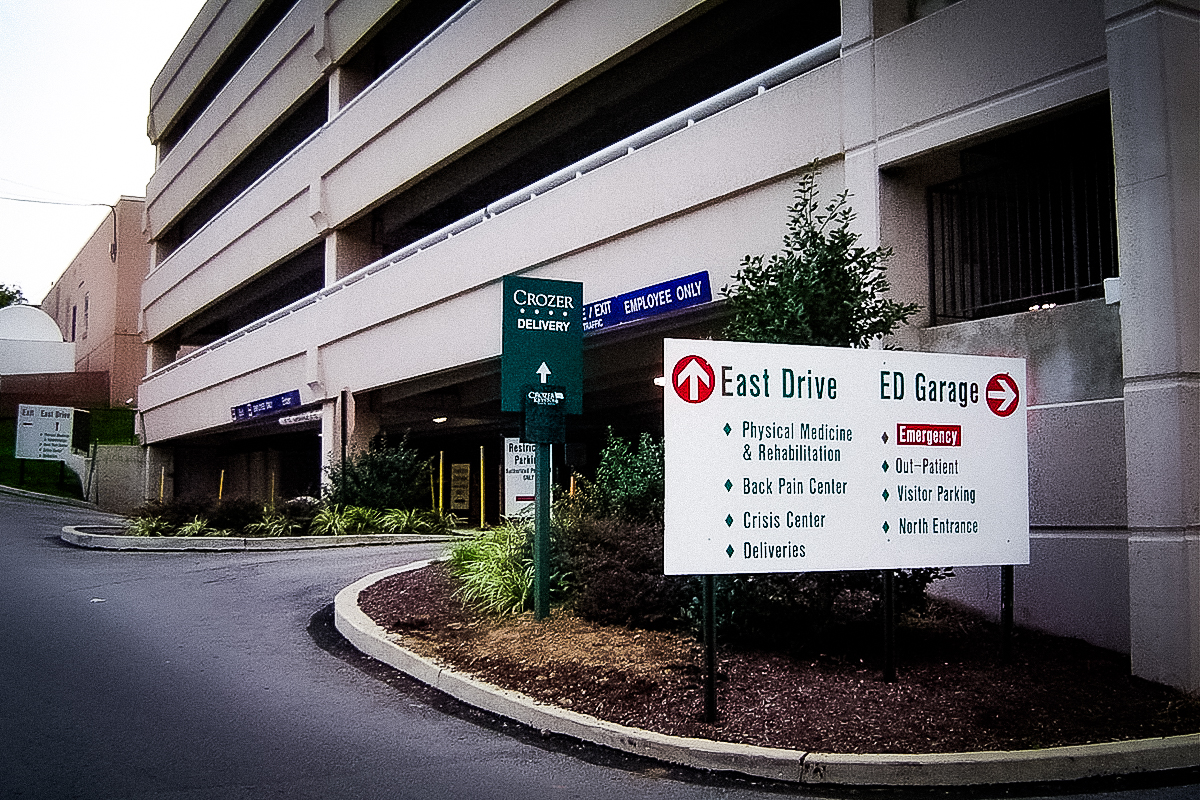
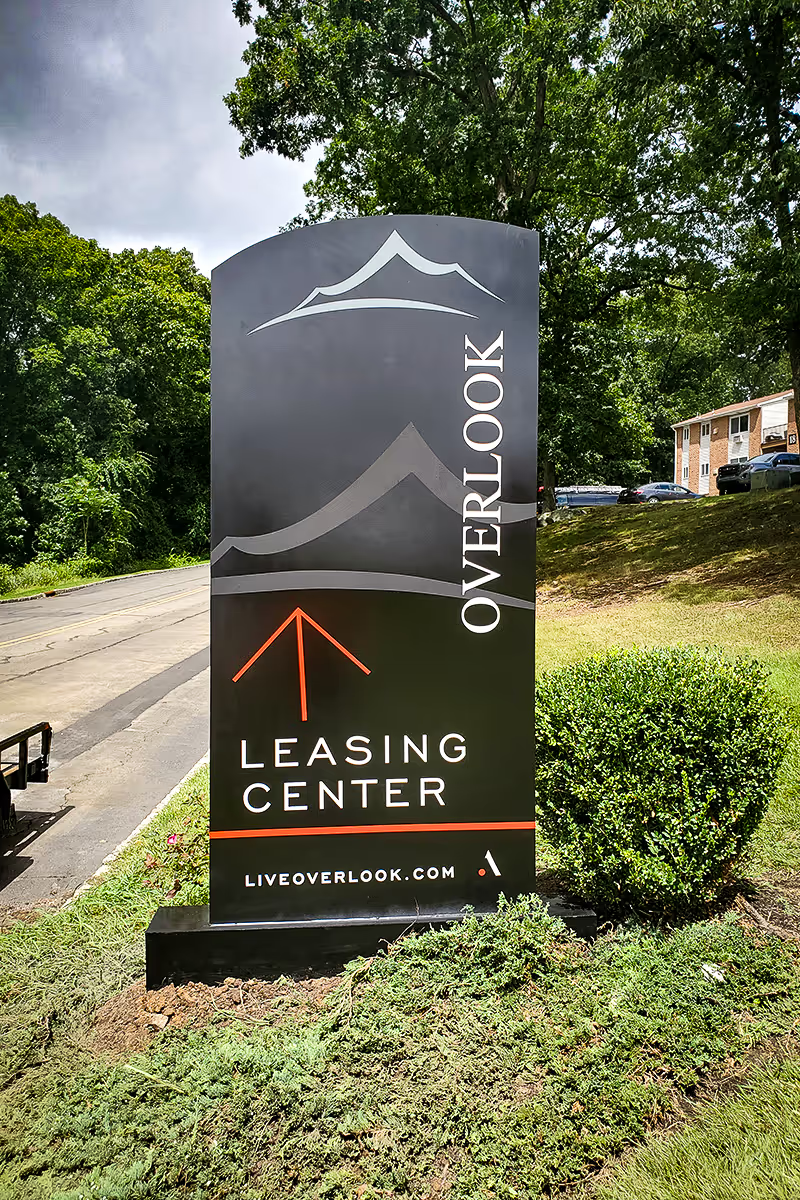
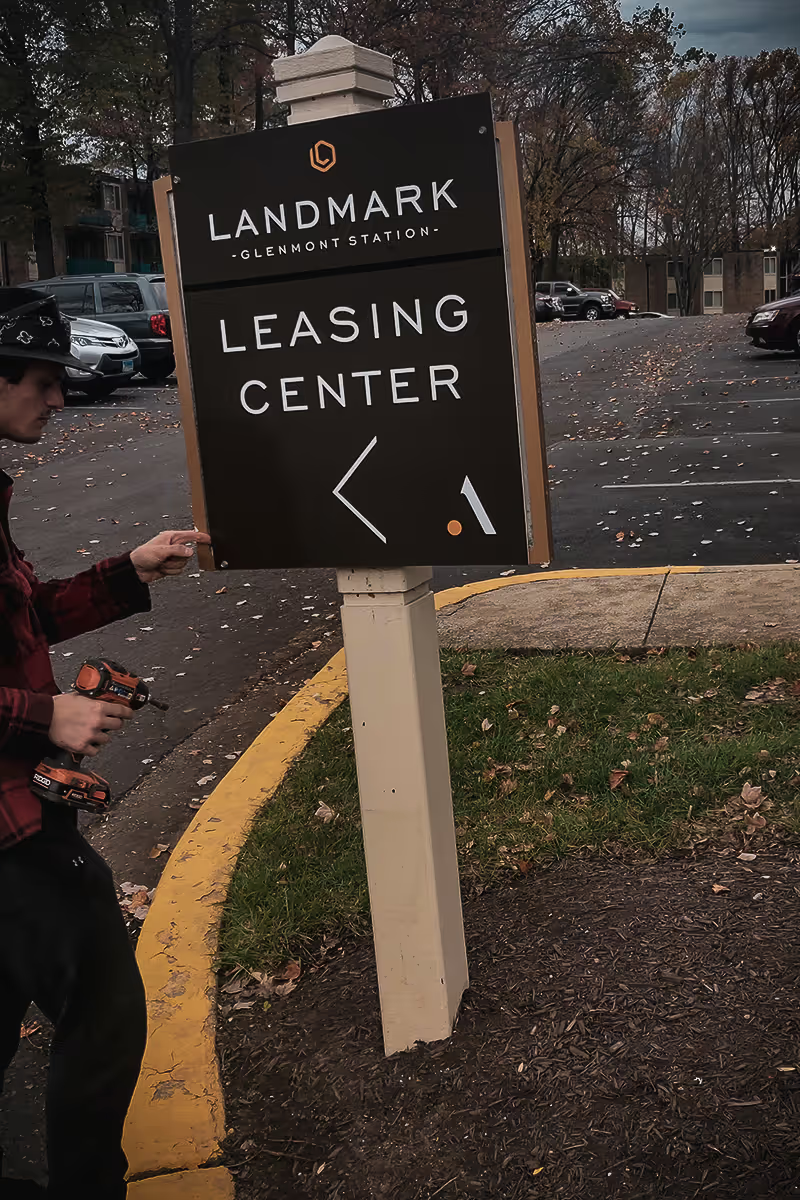
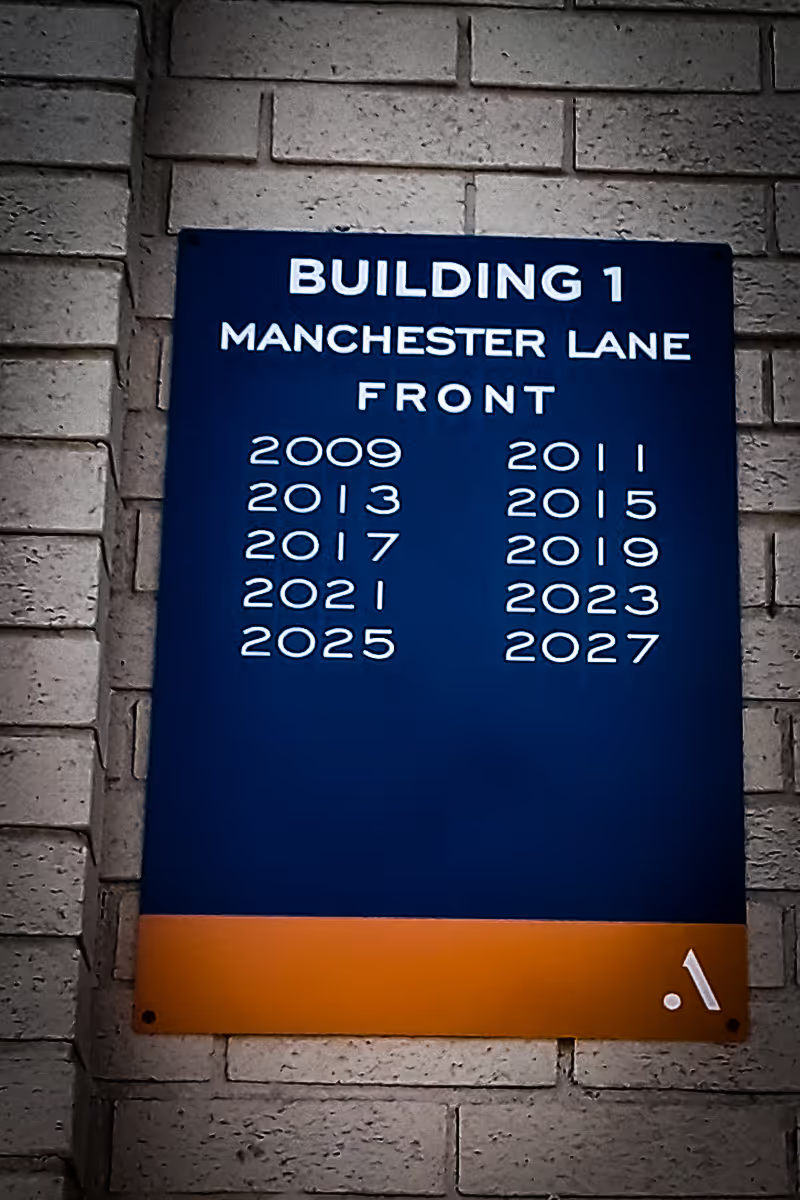
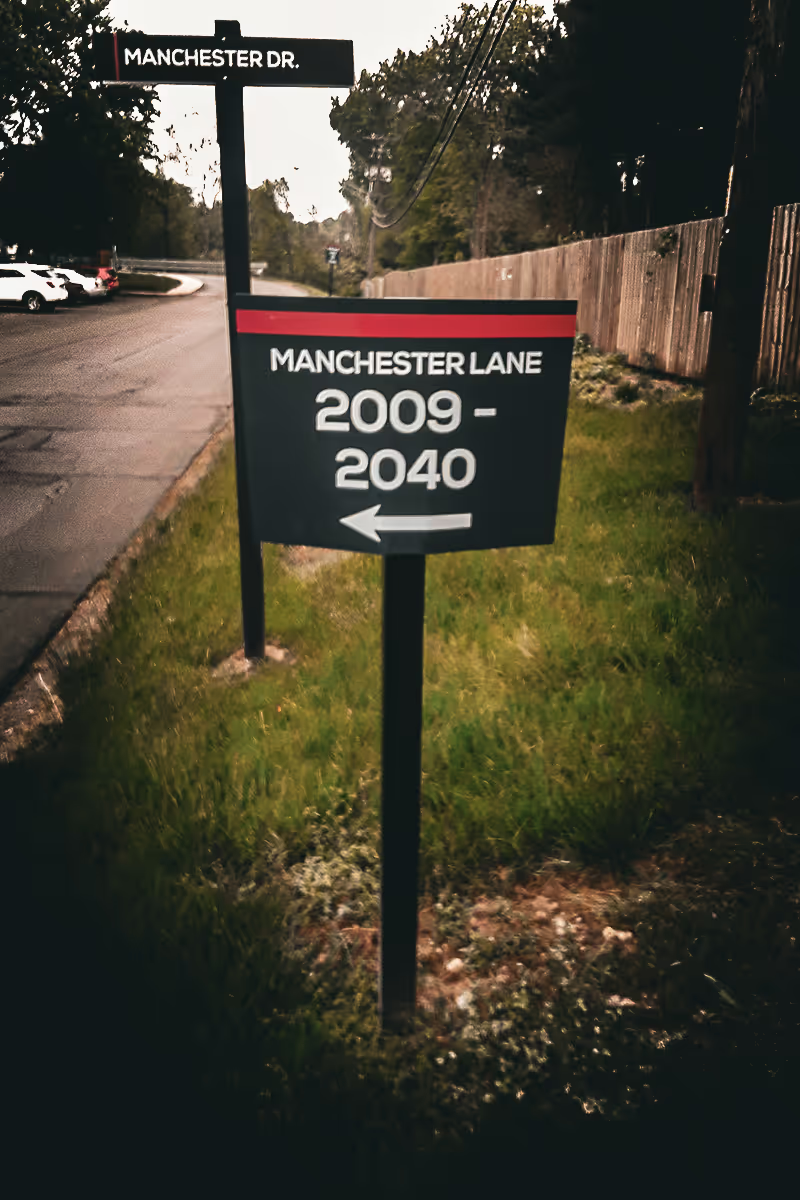
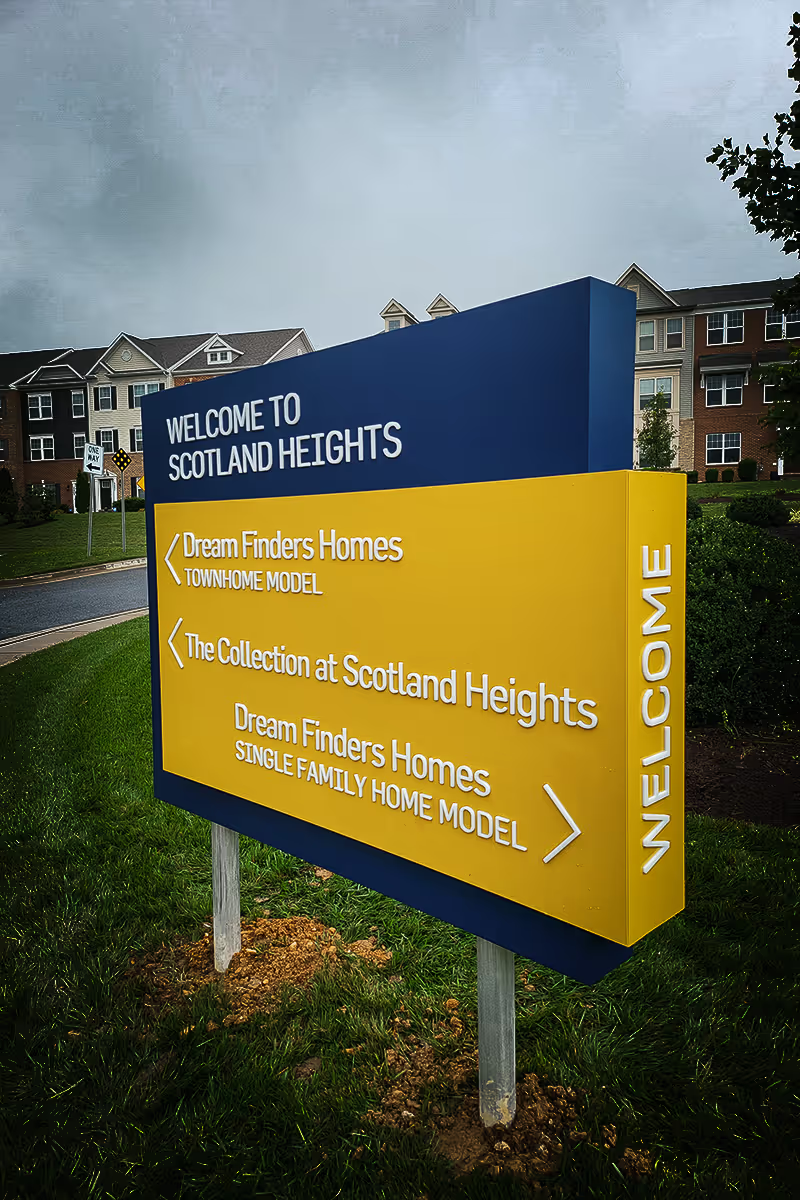
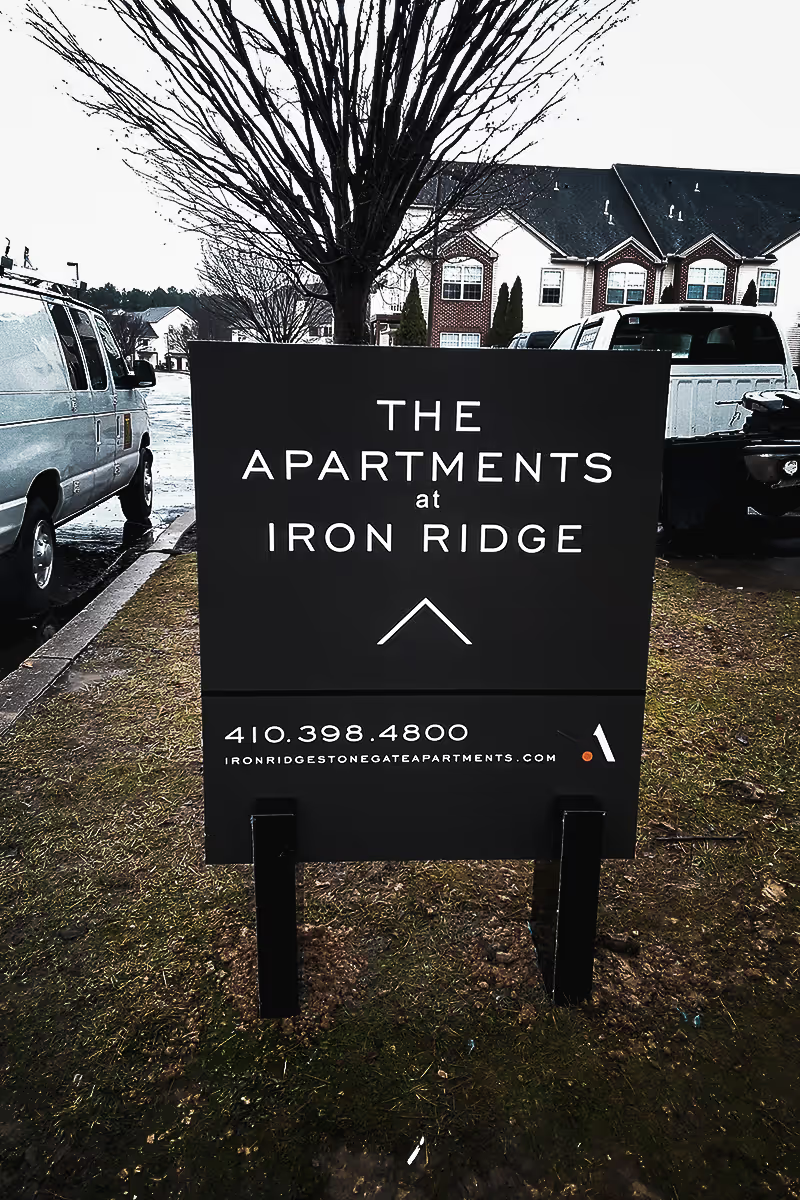
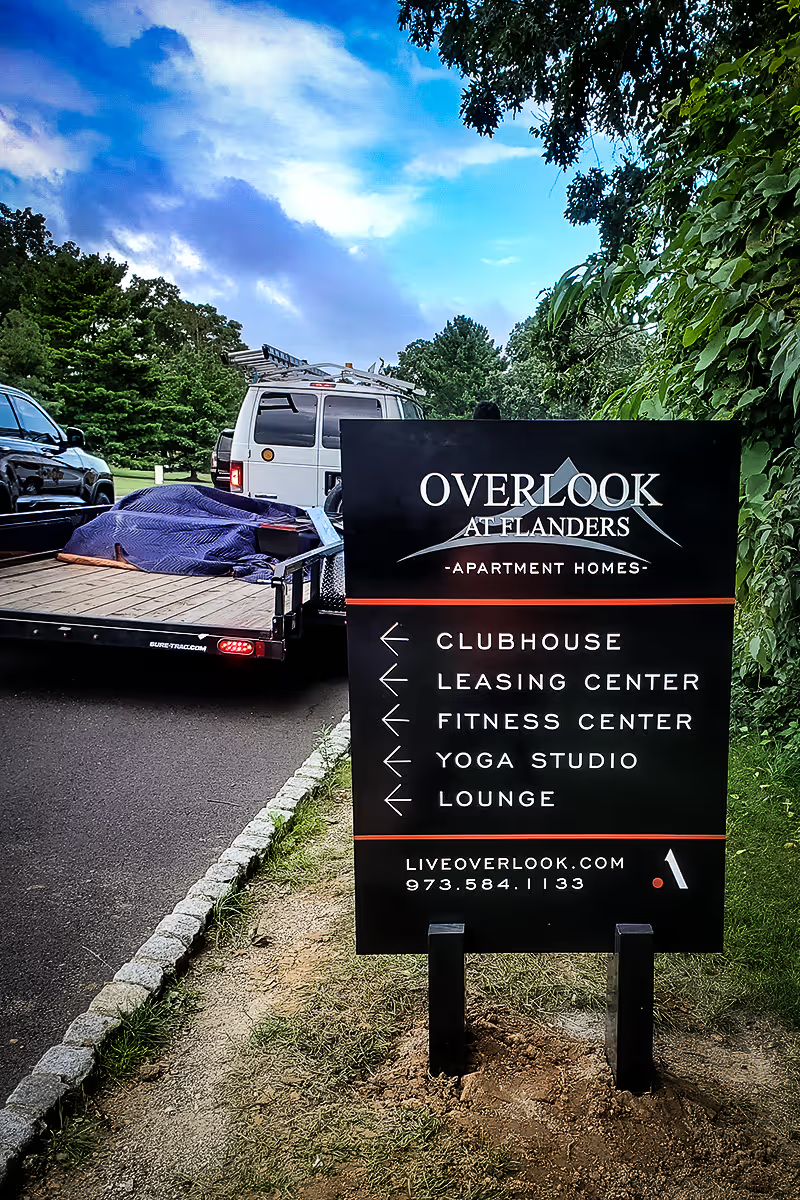
Exterior wayfinding signs are a coordinated system of signs that guide visitors through a site — from the street to the entrance, through a parking facility, and between buildings or departments. A complete wayfinding system typically includes entry monuments, directional signs at decision points, parking and traffic flow signs, building identification, and ADA-compliant pedestrian signage. At Martino Signs, we don't just fabricate signs — we analyze traffic flow, viewing distances, and site constraints to specify the right sign type at every location. Our team produces both the graphic artwork and the technical engineering drawings, so clients receive a cohesive system that functions correctly from day one.

Why Philadelphia Organizations Choose Martino Signs for Wayfinding
A well-executed wayfinding system reduces visitor frustration, improves safety, and reflects well on your organization. Here's what sets our approach apart.
In-House Design and Engineering
We produce both the graphic artwork and the structural drawings. Most sign companies outsource one or the other. We don't — which means faster turnaround and tighter coordination between how a sign looks and how it's built.
Materials That Last in Philadelphia's Climate
We spec 3/8" aluminum, Matthews paint, UV-laminated digital prints, and stainless hardware for exterior applications. Signs installed five and ten years ago still look right — because we chose the materials for the application, not the budget.
Permit Management Included
Exterior signage in Philadelphia and surrounding municipalities requires permits. We manage the submission process so your project doesn't stall while waiting on approvals.
System-Level Thinking
Individual signs that don't work together create confusion. We design wayfinding as a system — consistent typography, color, height, and mounting style — so every sign reinforces the next.

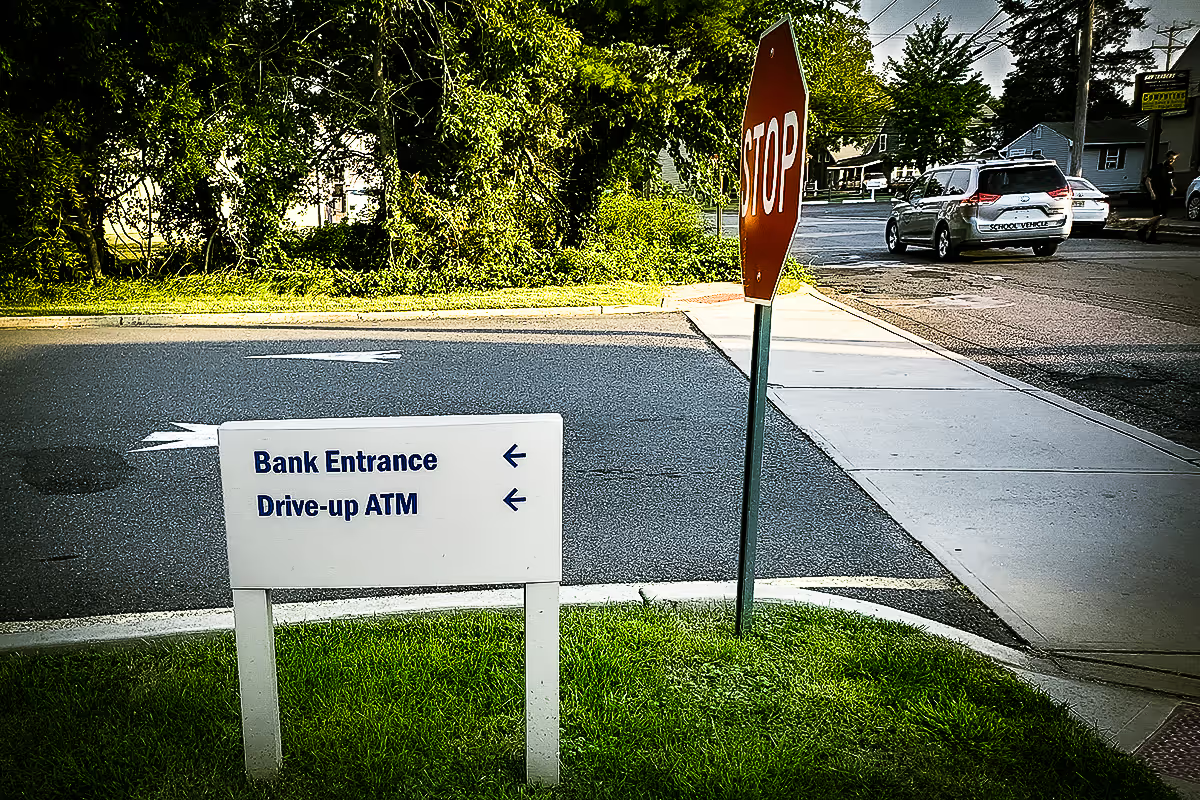
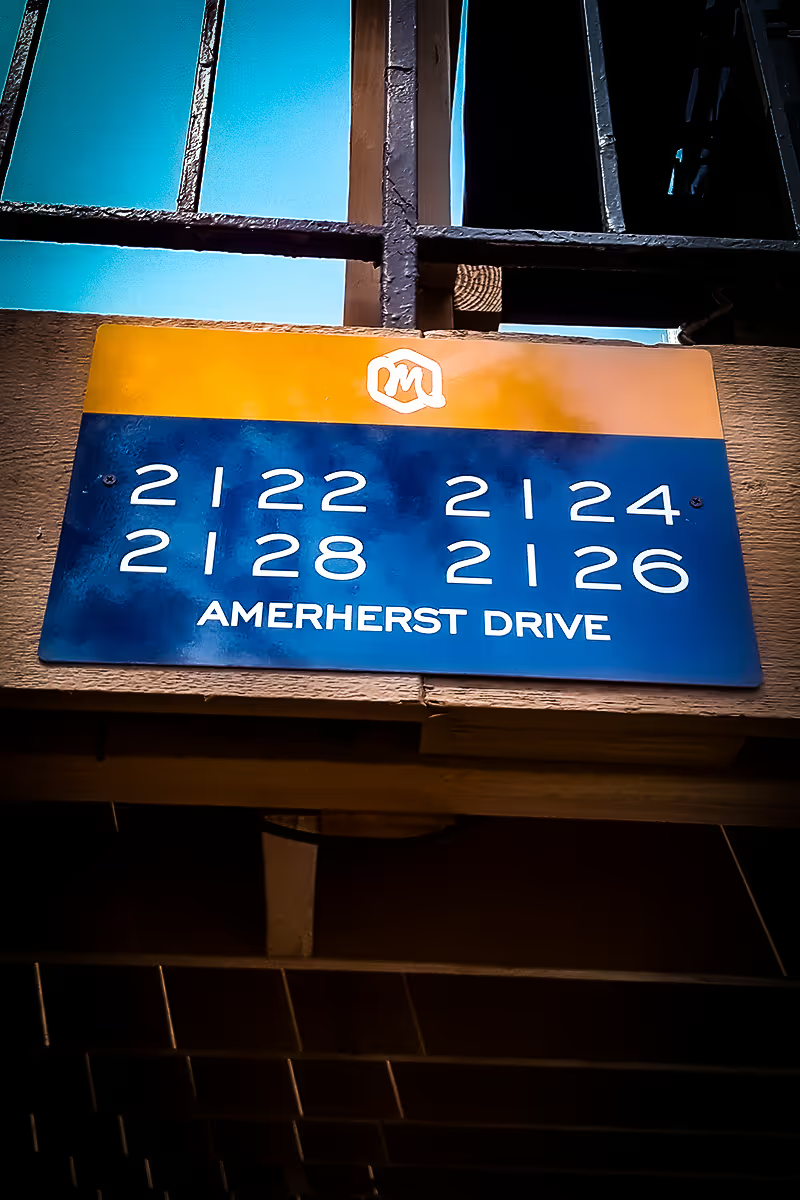
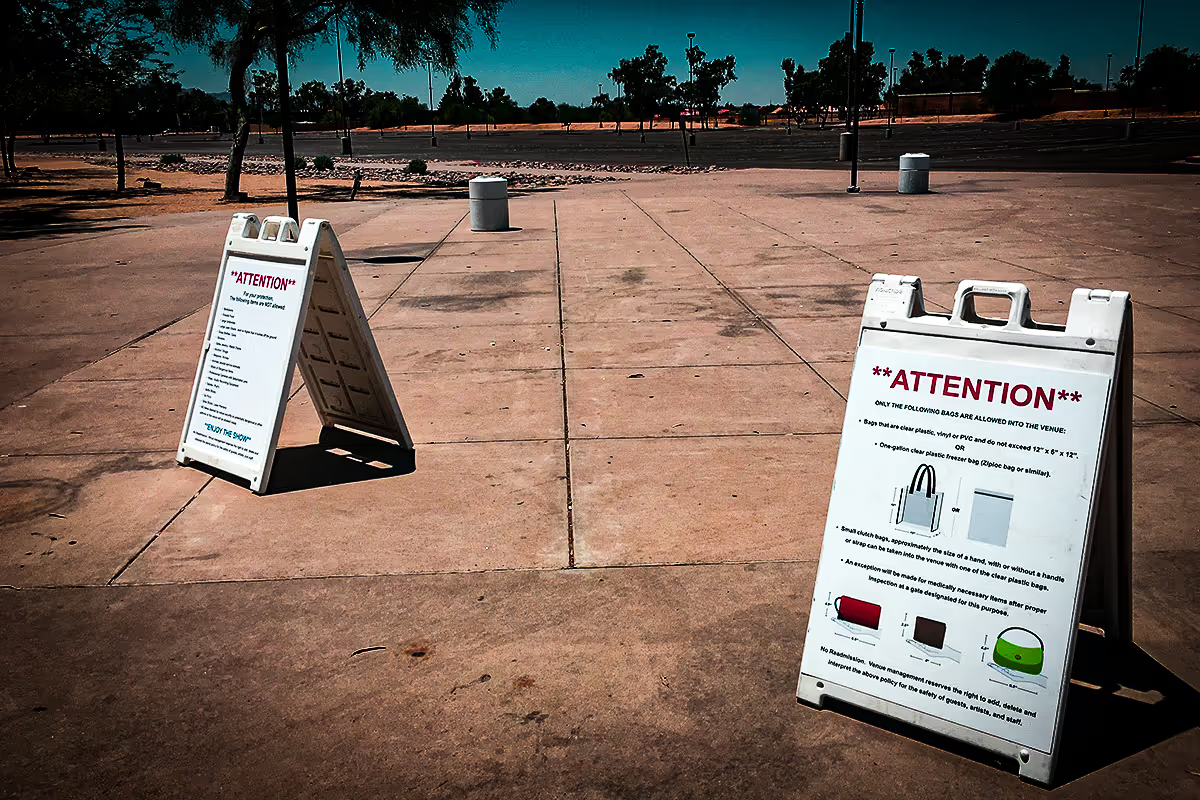
Wayfinding Signs
Image Gallery


Be A Standout Brand
Your audience constantly encounters new brands. Whether you aim to outshine competitors, support your team, or enhance your image, our signage and awning solutions can help. Request a quote or contact us with questions.
Where We Install Exterior Wayfinding Systems
Wayfinding needs vary by site type. Here are the most common environments we serve across the Greater Philadelphia area.
Healthcare and Medical Campuses
Hospitals and medical office complexes require precise directional systems covering parking, emergency access, building identification, and department-level navigation. We've installed wayfinding programs for healthcare clients throughout the Philadelphia metro.
Corporate and Office Parks
Multi-tenant office parks need consistent branding across tenant ID, visitor parking, and building directories. We coordinate with property managers and individual tenants to deliver unified sign programs.
Educational Institutions
Schools, colleges, and universities serve students, staff, visitors, and emergency vehicles. Exterior wayfinding at educational facilities must account for high foot traffic, varied user types, and ADA compliance requirements.
Attractions, Parks, and Public Spaces
Zoos, museums, recreation areas, and public venues require durable signs that serve thousands of visitors and hold up to heavy outdoor use. Our work at the Philadelphia Zoo demonstrates what's possible when fabrication quality meets creative design.
"The custom suspended signs from Martino Signs have elevated our visibility and professionalism. We couldn't be happier with the results!"


This is one of the best companies I've ever worked with. Response from start to finish was amazing. My salesman, Jared, was very responsive witth all my questions and followups for everything... GREAT COMPANY!
FAQs
The schedule depends on site analysis, message planning, design approvals, surveys, engineering, permitting, fabrication and phased installation. Larger campuses may also require stakeholder review and traffic coordination. Martino Signs can establish a schedule after the sign inventory and approval path are defined.
A directional sign provides a specific instruction at one location. An exterior wayfinding system coordinates many signs, destinations and decision points across an entire property. A successful system considers the full journey rather than treating each arrow sign as an isolated product.
Often. Panels, graphics, directories, lighting or selected structures may be updated if the existing components remain serviceable and the new messages fit. A rebrand or traffic change may still require broader replacement when old sign locations, sizes or structures no longer support the system.
Healthcare campuses, office parks, schools, retail centers, industrial sites, hotels, attractions, government facilities and multi-building developments commonly need exterior wayfinding. The need increases when visitors are unfamiliar with the site, entrances are not obvious or parking and deliveries use different routes.
Planning starts with entrances, destinations, routes, decision points, traffic direction, pedestrian paths and user needs. Drivers and pedestrians have different viewing distances and speeds, so one sign type rarely serves both equally. Messages should be tested against actual travel paths.
Permit requirements depend on sign type, size, height, location, illumination, mounting and property status. Some regulatory signs follow separate requirements, while custom identification or directional signs may need zoning or building review. Eligibility and submission requirements should be checked for each sign.
Nighttime needs may be addressed with internal illumination, external lighting, reflective graphics or ambient site lighting. The choice depends on operating hours, available power, viewing conditions and code. Reflective material requires suitable light and does not perform like an illuminated sign in every situation.
Cost depends on sign quantity, sizes, structures, materials, illumination, engineering, foundations, permits, site access and installation. A coordinated sign schedule and location plan provide a better estimate than pricing one representative sign and multiplying it across the property.
A survey documents roads, walks, entrances, grades, sight lines, landscaping, lighting, utilities and possible sign locations. It supports placement and pricing, but property boundaries, underground facilities and structural conditions may require separate professional verification.
An exterior wayfinding system is a coordinated group of identification, directional, parking and informational signs that guides drivers and pedestrians through a property. It connects arrival points, decision points, parking, buildings and destinations using consistent terminology, design and placement.
Placement is based on entrances, routes, destinations, decision points, sight lines, viewing distance, traffic speed, accessibility and site constraints. Martino Signs can document and plan the sign locations, while property and regulatory approvals remain part of the final process.
Yes, when applicable requirements are addressed in the complete system. Accessible parking, route and permanent-space identification signs have different criteria. Not every exterior directional sign must be tactile, so sign function and location should determine visual, mounting and tactile specifications.
Yes, when visitors or vehicles approach from opposing directions and the structure, site and code allow two faces. Each side may repeat the same message or provide route-specific information, but the messages must remain clear and consistent with the broader system.
Common systems use aluminum, steel, exterior-grade panels, coatings, vinyl graphics and reflective materials selected for the application. The correct specification depends on structure, exposure, maintenance, expected life and visual goals. Material thickness and finish should not be generalized across every sign.
A system may include property entrances, building identification, directional signs, parking identification, pedestrian signs, maps, directories and destination markers. The exact mix depends on the site, user groups, traffic patterns and which messages are already provided by required regulatory signs.
Yes. Existing wayfinding systems can often be updated with new graphics, revised branding, updated tenant or directional information, or LED lighting upgrades without requiring a full sign replacement.
Aluminum is one of the most widely used materials for exterior wayfinding signage because it is lightweight, durable, corrosion resistant, and well suited for long term outdoor use in a wide range of climates and environments.
Yes. Reflective vinyl and traffic grade reflective materials are commonly used on exterior wayfinding signs to improve visibility at night and in low light conditions, particularly for parking and traffic flow applications.
Exterior wayfinding signs are commonly fabricated from aluminum, steel, ACM panels, acrylic, vinyl graphics, and reflective materials designed for long term outdoor durability and visibility.
Exterior wayfinding signage is a system of directional and informational signs designed to help pedestrians and drivers navigate commercial properties, campuses, healthcare facilities, shopping centers, parking areas, and multi building developments.
Many exterior wayfinding signs require permits depending on size, height, illumination, and local municipal sign regulations. Requirements vary by municipality and sign type.
Pricing is affected by sign quantity, size, materials, illumination, engineering requirements, installation conditions, branding complexity, and the overall scope of the wayfinding program.
Yes. Exterior wayfinding signs can include LED illumination, internally illuminated cabinets, halo lighting, reflective graphics, or externally lit systems for improved nighttime visibility.
Exterior wayfinding signage improves traffic flow, reduces confusion, enhances customer experience, increases safety, and helps visitors navigate large or complex commercial properties more efficiently.
Yes. Custom wayfinding systems can be designed to match corporate branding, including colors, logos, typography, architectural styles, and overall property aesthetics for a cohesive and professional appearance.
Yes. LED lighting is commonly integrated into exterior wayfinding signage for improved nighttime visibility, energy efficiency, and long term low maintenance performance.
Exterior wayfinding signage costs vary based on sign quantity, size, materials, illumination, installation requirements, and custom branding. Multi sign systems for large properties are typically priced as a complete program based on project scope.
Professional sign companies typically coordinate permitting, code compliance, and site planning for exterior wayfinding signage projects.
Exterior wayfinding signage includes directional signs, parking signs, entrance and exit signs, building identification signs, pedestrian navigation signs, traffic flow signs, and campus or property maps.
Before opening, a new commercial development typically needs a main identification sign (monument, pylon, or pole sign) at the primary entrance, building address numbers meeting local code, tenant identification signs, parking lot directional signs, ADA-compliant signage for accessible parking and entrances, and interior wayfinding or directory signs where applicable. Many of these require permits, and the main ID sign usually requires engineering drawings. Planning signage early in the construction process is critical to avoid delays at opening.
Sign height depends on viewing distance, traffic speed, property layout, ADA considerations, and local zoning requirements. Larger properties often require a mix of sign heights to serve both drivers and pedestrians effectively.
Brand consistency starts with a complete sign inventory and a set of brand standards that specify exact colors (Pantone/PMS), fonts, logo usage rules, and approved sign types. A sign company experienced in rebranding will use these standards to design every sign in your package — exterior, interior, wayfinding, window graphics — so all elements match. Getting sign-off on proofs before fabrication begins is the best way to catch inconsistencies before they are built.
Yes. Many exterior wayfinding signs are fabricated double sided to maximize visibility for vehicle and pedestrian traffic approaching from both directions.
Yes. Exterior wayfinding signs are engineered for outdoor use and designed to withstand rain, snow, UV exposure, wind, and changing weather conditions.
Installation timelines vary depending on the number of signs, site conditions, permitting, and foundation requirements. Smaller systems may be installed within a day, while large campus or multi building systems typically require phased installation over multiple days.
High quality exterior wayfinding signs can last 10 to 20 years or longer depending on materials, finishes, environmental conditions, and routine maintenance.
Exterior wayfinding signs are commonly used by hospitals, shopping centers, office parks, apartment complexes, universities, hotels, parking garages, schools, and large commercial developments where navigation is a priority.
Yes. A well designed wayfinding system helps reduce congestion, improves navigation, directs traffic efficiently throughout the property, and creates a better overall experience for visitors, customers, and tenants.
Many freestanding exterior wayfinding signs require concrete footings for stability, particularly larger directional signs, monument style entrance signs, and traffic signage used in high vehicle areas.
Yes. Professional, well-maintained signage significantly affects a property's ability to attract and retain tenants. Prospective tenants evaluate visibility, curb appeal, and overall property image when making leasing decisions. A prominent monument or pylon sign increases roadside visibility, while a cohesive wayfinding system signals professional management. Conversely, dated, damaged, or inconsistent signage makes a property look neglected and reduces its competitive appeal in the market.
Yes. Exterior wayfinding systems are fully customizable and can be designed specifically for shopping centers, hospitals, office parks, universities, apartment communities, and multi building commercial developments, with sign families tailored to the scale and complexity of each property.
Yes. Exterior wayfinding systems often include property maps, tenant directories, parking maps, and informational panels to help visitors navigate the property more efficiently.
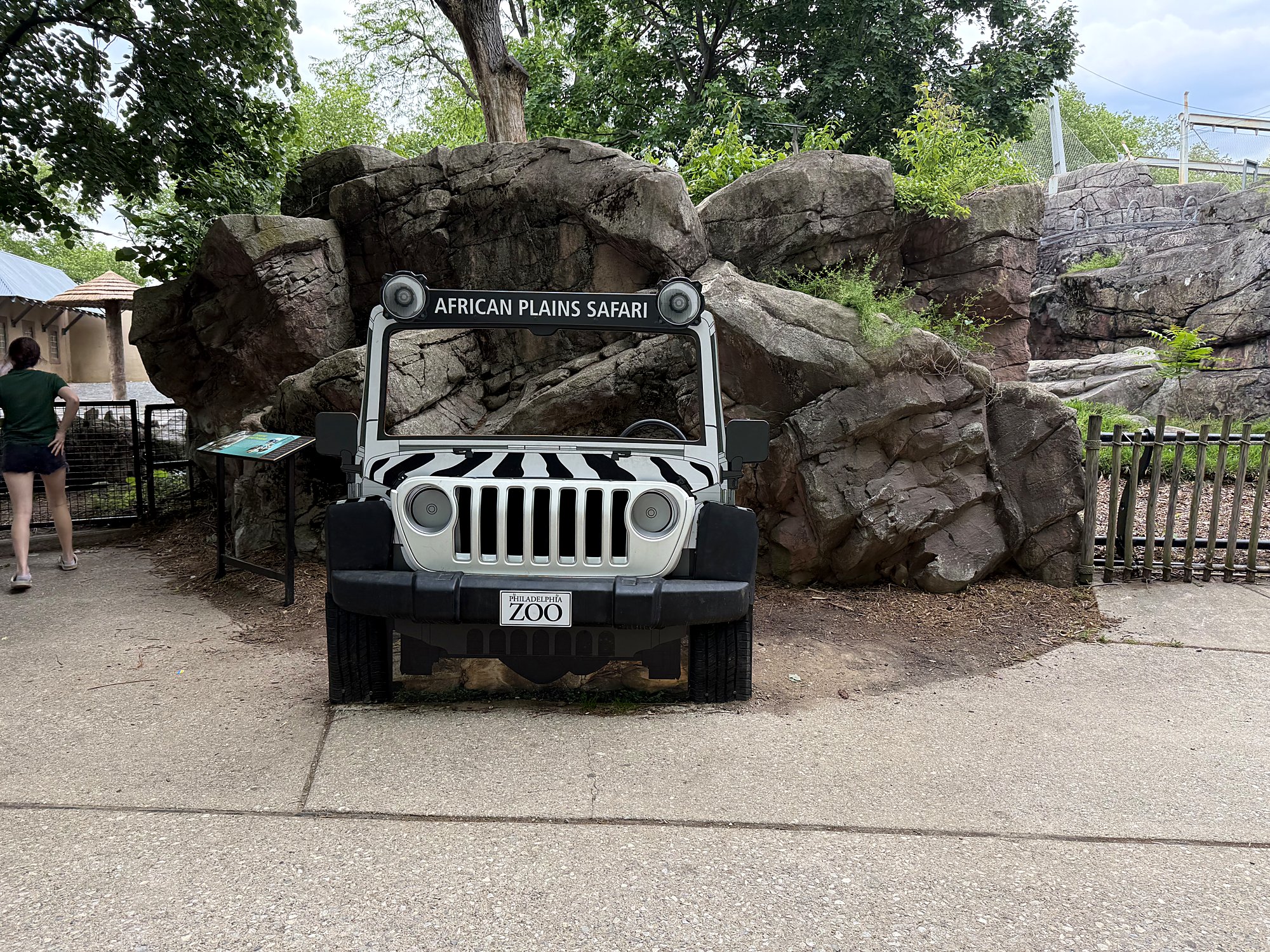
Five Custom Exhibit Signs for the Philadelphia Zoo
Martino Signs designed, built and installed five one-of-a-kind exhibit signs for the Philadelphia Zoo: Flamingo Cove, the Ankole horns, the giraffe marker, the rhino sign and a full-size Safari Jeep. Every piece was fabricated in our shop and installed on site at the zoo.
Project Highlight
Dimensional lettering, sculpted resin horns, a full-height giraffe marker and a Jeep built from scratch, each made to live outdoors and feel at home in its exhibit.