Shopping Center Signs
Capture the attention of potential customers with our eye-catching shopping center signs. Designed to enhance visibility and drive foot traffic, our signs are tailored to meet the unique needs of your retail space.
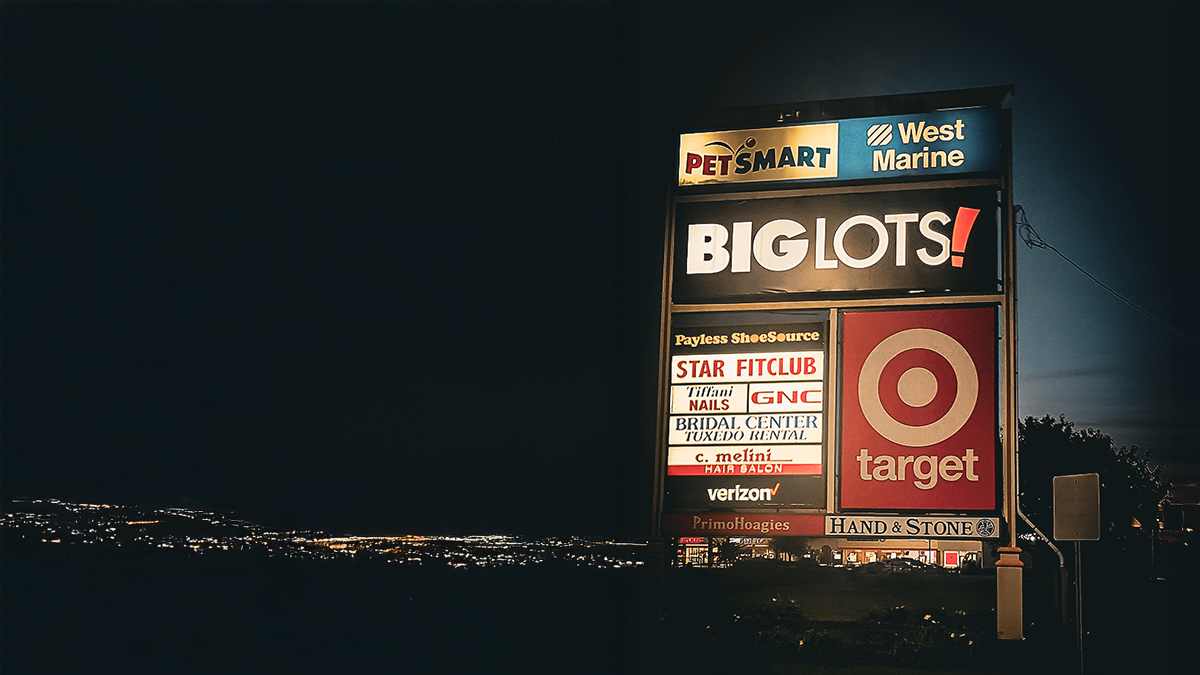
Used by the world's leading companies, ANd Your Neighbors
What are Shopping Center Signs?
Shopping center signs are crucial for creating a seamless shopping experience by serving multiple purposes. They not only guide customers to various stores, ensuring they can easily find what they're looking for, but also act as a powerful marketing tool. These signs can be used to promote sales, special events, and new store openings, capturing the attention of passersby and encouraging them to explore further. By strategically placing these signs throughout the shopping center, businesses can effectively communicate their brand message, enhance customer engagement, and ultimately attract more visitors, leading to increased sales and customer satisfaction.

Elevate Your Shopping Center's Identity
Shopping center signs are essential for attracting customers and establishing a recognizable brand presence. With Martino Signs, you can create impactful signage that enhances visibility and drives foot traffic.
Attract Customers
Engaging signs draw attention and invite potential customers to explore your offerings.
Brand Recognition
Distinctive signage reinforces your brand identity and fosters customer loyalty.
Increased Foot Traffic
Well-placed signs guide shoppers, increasing visits and potential sales for your tenants.
Professional Appeal
High-quality signage reflects professionalism and enhances the overall shopping experience.
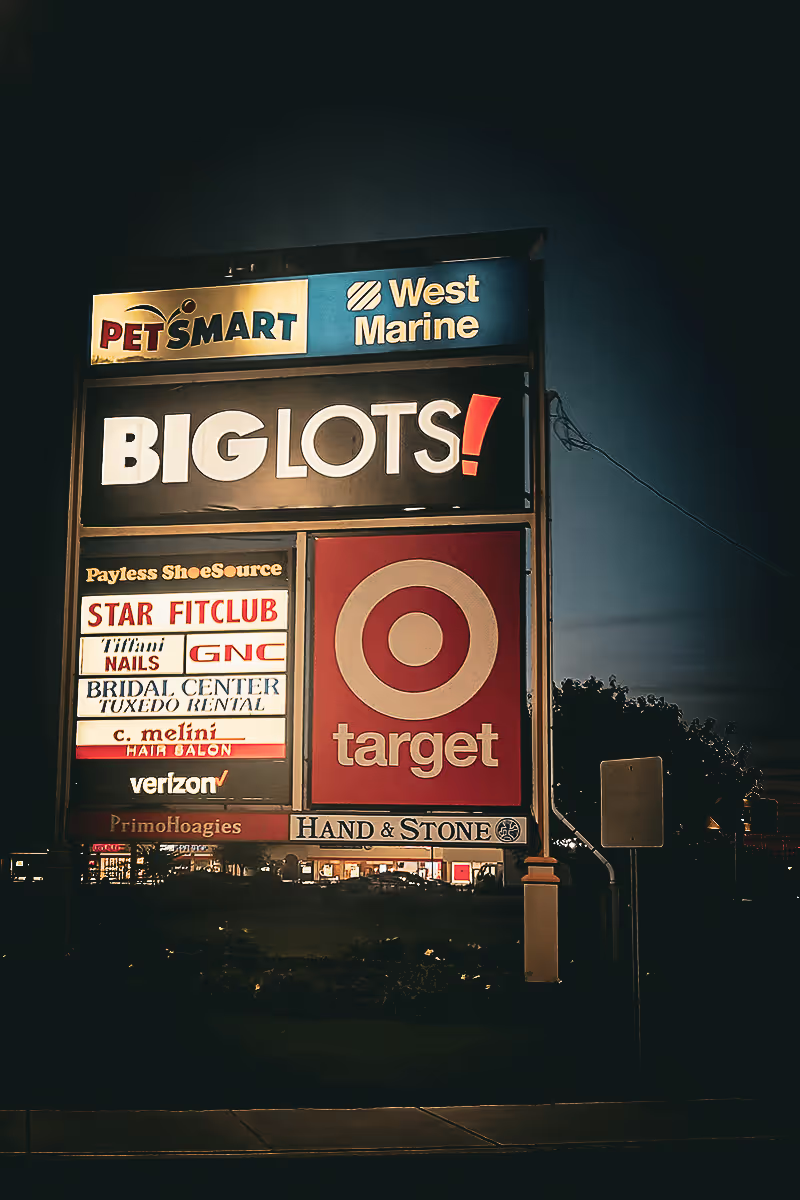
Shopping Center Signs
Image Gallery


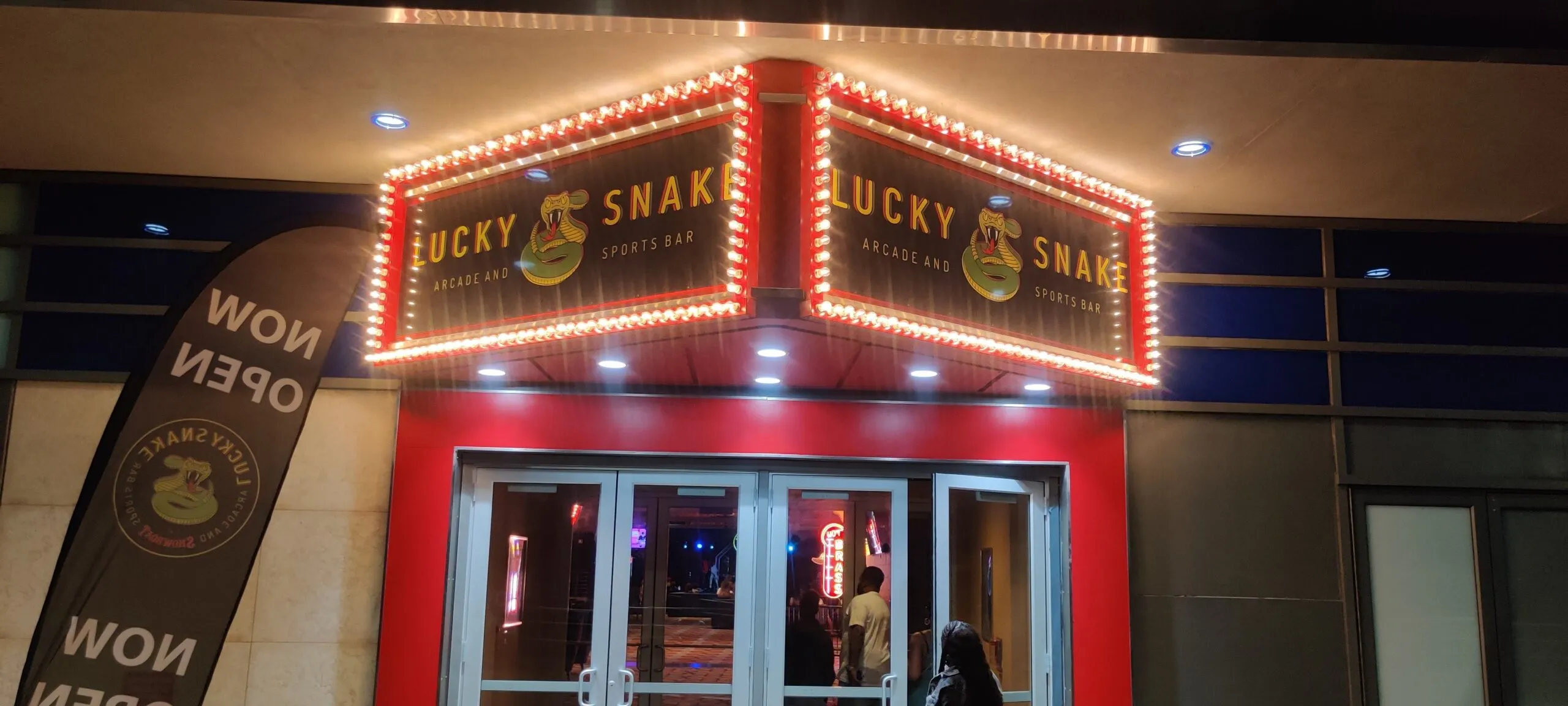
Be A StandOut Brand
Your audience constantly encounters new brands. Whether you aim to outshine competitors, support your team, or enhance your image, our signage and awning solutions can help. Request a quote or contact us with questions.
Maximize Your Shopping Center's Impact
Shopping center signs are essential for attracting foot traffic and enhancing brand visibility. They guide customers to stores, promote sales, and create a welcoming atmosphere.
Effective Wayfinding Solutions
Direct shoppers effortlessly to their desired destinations within your shopping center.
Promotional Opportunities
Highlight special offers and events to engage customers and drive sales.
Brand Identity Enhancement
Create a cohesive look that reflects your shopping center's unique character and values.
Safety and Accessibility
Ensure clear visibility of entrances and exits for a safer shopping experience.
"The custom suspended signs from Martino Signs have elevated our visibility and professionalism. We couldn't be happier with the results!"


This is one of the best companies I've ever worked with. Response from start to finish was amazing. My salesman, Jared, was very responsive witth all my questions and followups for everything... GREAT COMPANY!
FAQs
Shopping center signs are coordinated exterior and interior signs that identify the property, promote tenants and guide drivers and pedestrians. A complete program may include entrance signs, tenant panels, storefront signs, directories, parking signs and wayfinding designed around one property standard.
Shopping centers commonly use pylon or monument signs, tenant panels, channel letters, blade signs, directional signs, parking signs and illuminated storefront identification. The right combination depends on property size, road visibility, tenant mix, traffic flow and the landlord’s sign criteria.
Sign criteria, also called a sign specifications package, is a document developed by the property owner or manager that defines the rules for all signage on the property. It specifies approved sign types, maximum dimensions, permitted materials, color and font standards, illumination requirements, mounting locations, and design review procedures. Tenants must submit their sign designs for landlord approval before applying for a permit. Sign criteria protect the visual consistency and quality of the property and are standard practice for shopping centers, office parks, and mixed-use developments.
Shopping center signs improve tenant visibility, attract customers, direct vehicle and pedestrian traffic, strengthen property branding, and create a more professional and organized appearance for commercial developments.
Shopping center signage is commonly used by retail plazas, strip malls, lifestyle centers, grocery anchored centers, mixed use developments, restaurant corridors, office complexes, and commercial property management companies.
Sign cabinets are commonly used by retail stores, restaurants, shopping centers, gas stations, auto shops, pharmacies, and commercial properties that need cost effective illuminated signage.
Responsibility is determined by the lease and the property’s sign criteria. Tenants commonly pay for their storefront signs and permits, while landlords may provide shared monument or pylon structures and control design approvals. Both parties should confirm responsibilities before design or fabrication begins.
Monument signs are commonly used by shopping centers, office parks, apartment complexes, schools, churches, healthcare facilities, hotels, residential communities, and commercial developments seeking a professional and architectural entrance presence.
Shopping center signs are commonly fabricated from aluminum, structural steel, acrylic, ACM panels, vinyl graphics, LED lighting components, and weather resistant finishes designed for long term exterior durability.
Yes. Shopping-center pylon and monument signs can use individual tenant panels or cabinet sections for multiple businesses. The layout should give each tenant readable space and use a modular system that allows future occupancy changes without replacing the entire sign structure.
Tenant panels are individual interchangeable sign sections built into a pylon or monument sign that display each business name and logo. They are designed to be updated easily as tenants change, without requiring a full sign replacement.
Yes. Shopping-center tenant panels can usually be replaced when a business moves, changes its name or updates its branding. The existing frame, illumination and panel dimensions should be inspected so the replacement fits correctly and remains consistent with the property’s sign standards.
Yes. Multi tenant monument signs are designed specifically for shopping centers, office parks, and commercial properties where multiple businesses need to be identified from a single entrance sign.
Yes. Shopping-center signs can follow an approved package covering logos, colors, typography, illumination, materials, tenant-panel layouts and placement. Consistent criteria help different tenants remain visible while preserving a coordinated appearance across entrances, buildings and parking areas.
Pylon signs are taller freestanding signs elevated on poles or enclosed columns, designed for long distance roadway visibility from high speed traffic. Monument signs are lower profile architectural signs typically installed closer to entrances and landscaping, providing a more polished property identity at ground level.
Many shopping-center sign systems include illuminated tenant cabinets, channel letters, entrance signs or digital displays to improve nighttime identification. Lighting should be coordinated across the property so tenant names remain readable without excessive brightness, glare or inconsistent color.
Pylon signs are commonly used by shopping centers, gas stations, car washes, restaurants, auto dealerships, retail stores, hotels, healthcare facilities, and commercial developments that require high roadside visibility.
Yes. Shopping-center programs often include directional signs for entrances, exits, parking areas, loading zones and individual buildings or tenants. Effective wayfinding uses consistent names, arrows, colors and placement so drivers can make decisions safely before reaching an intersection or turn.
Shopping-center sign costs depend on the number and types of signs, tenant capacity, materials, illumination, foundations and installation conditions. Engineering, permitting, electrical work, landlord standards and phased tenant installations also affect the total investment, so pricing requires a property-specific scope.
Major cost factors include the number of entrances and buildings, pylon or monument size, tenant-panel capacity, storefront requirements, wayfinding coverage and illumination. Engineering, permits, electrical service, excavation, access equipment and future update needs should also be included in the budget.
Shopping-center signs generally require review under local zoning and building rules, and illuminated signs may also require electrical permits. In Philadelphia, exterior signs require zoning approval and generally require a building permit, with limited exceptions. Martino Signs can review the property and coordinate applicable submissions.
Engineering is commonly needed for freestanding signs, large wall signs, foundations and other structures exposed to wind loads. The requirement depends on sign size, height, support system, mounting surface and local review standards, so it should be evaluated before fabrication.
The schedule depends on the number of signs and tenants, landlord approvals, municipal review, engineering, fabrication and site access. A coordinated shopping-center program may be phased so primary identification and wayfinding are installed first while individual tenant signs are approved and produced.
Yes. Shopping center signs are engineered for long term outdoor use and built to withstand rain, snow, UV exposure, wind, and changing weather conditions.
Yes. Monument signs are one of the most common sign types used at shopping center entrances because they provide clear tenant identification, strong property branding, and a professional appearance that complements the overall development.
Yes. Properly designed shopping center signage increases tenant exposure along the roadway, helps customers find businesses within the property, and drives more traffic to individual storefronts.
Yes. Cabinet signs are commonly used throughout shopping centers because they offer durable, cost effective, illuminated signage that is easy to update as tenants change, making them a practical long term choice for multi-tenant properties.
Cabinet signs remain a popular choice because they are durable, cost effective, highly visible, easy to maintain, and adaptable for a wide range of commercial applications. Their ability to be re-faced without full replacement also makes them a practical long term investment for businesses and property managers.
Professional shopping center signage improves curb appeal, strengthens property branding, enhances tenant visibility, improves customer navigation, and creates a more modern and organized commercial environment that reflects well on the property and attracts more business.
Monument signs are popular because they provide strong property identification, architectural appeal, and professional branding while maintaining a clean, low profile appearance that complements the surrounding environment and elevates the overall perception of the development.
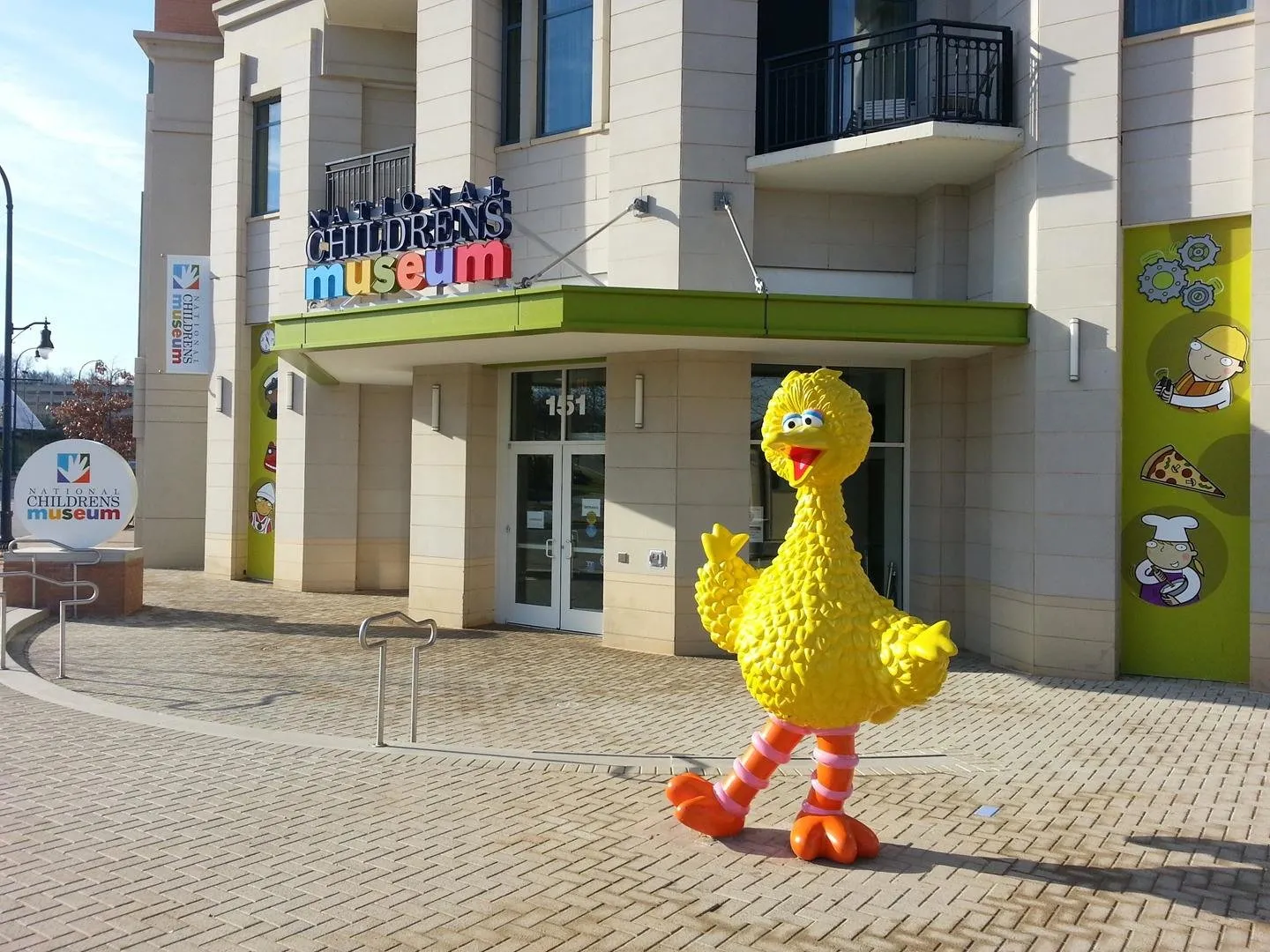
Transforming Spaces with Custom Signage Solutions
Our innovative signage solutions helped the Children’s Museum of Discovery create a bold, inviting entrance that draws in families and sparks curiosity. This featured project showcases the perfect mix of creativity, durability, and functionality to match the museum’s playful spirit.
Project Highlight
A vibrant, custom-designed sign package that blends playful design with high visibility—perfectly capturing the museum’s mission to engage and inspire young minds.