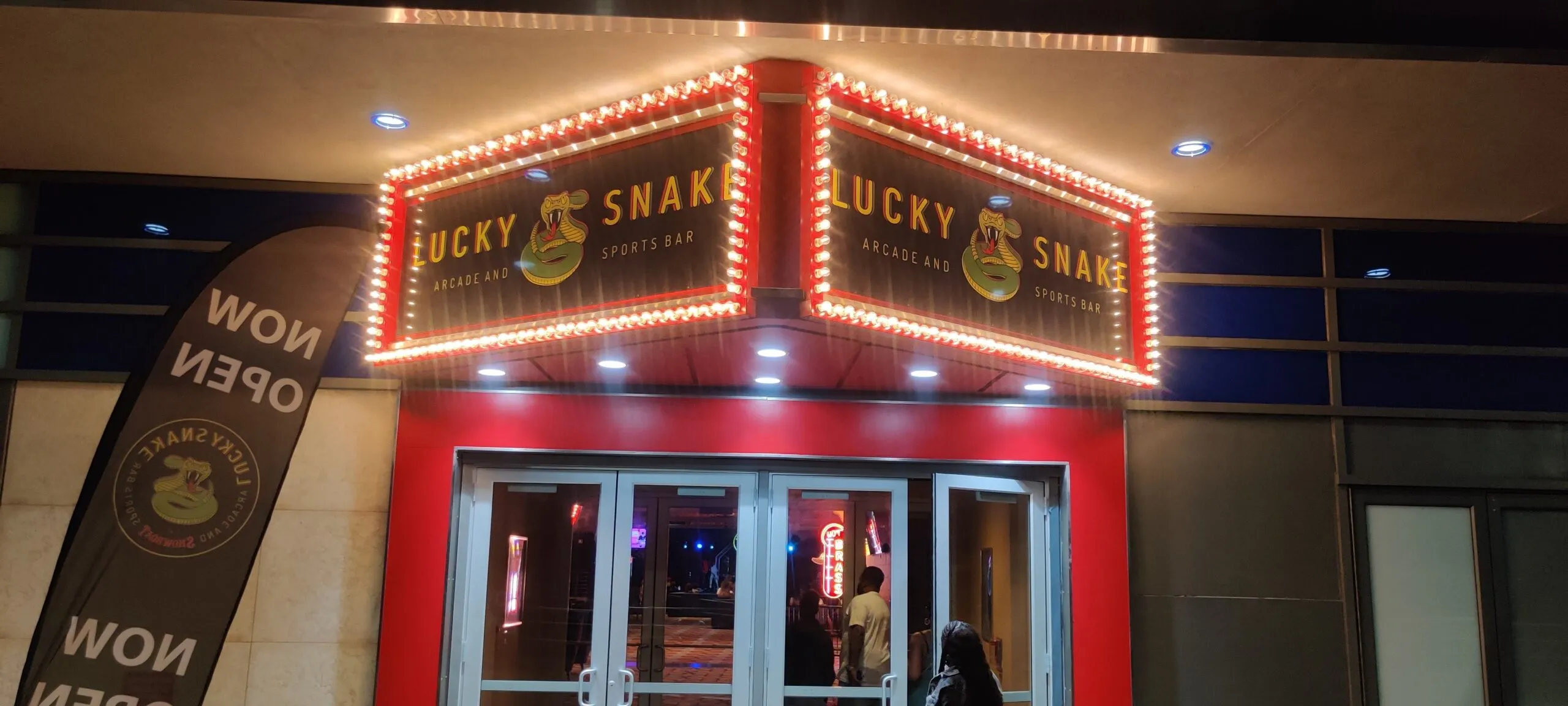
Capture Attention with Double-Sided Signs
Double-sided signs are the perfect solution for maximizing visibility from multiple angles. Enhance your brand's presence and attract more customers with our expertly crafted signs.
Used by the world's leading companies, ANd Your Neighbors
What are Double-Sided Signs
Double-sided signs are designed to capture attention from every direction, making them an ideal choice for businesses looking to increase their visibility. These signs are particularly effective in high-traffic areas where potential customers approach from multiple angles. By displaying your message on both sides, you ensure that it is seen by a larger audience, enhancing your brand's reach and impact.

Enhance Your Business with Double-Sided Signs
Double-sided signs provide maximum exposure, ensuring your message reaches a wider audience. They are perfect for attracting attention from multiple directions, making them a smart investment for any business.
Increased Exposure
Capture attention from all angles with our expertly designed double-sided signs.
Cost-Effective
Maximize your advertising potential without the need for additional signage.
Versatile Design
Customizable options to fit your brand and business needs perfectly.
Durable Materials
Built to withstand the elements, ensuring long-lasting visibility for your business.
Double Sided Signs
Image Gallery
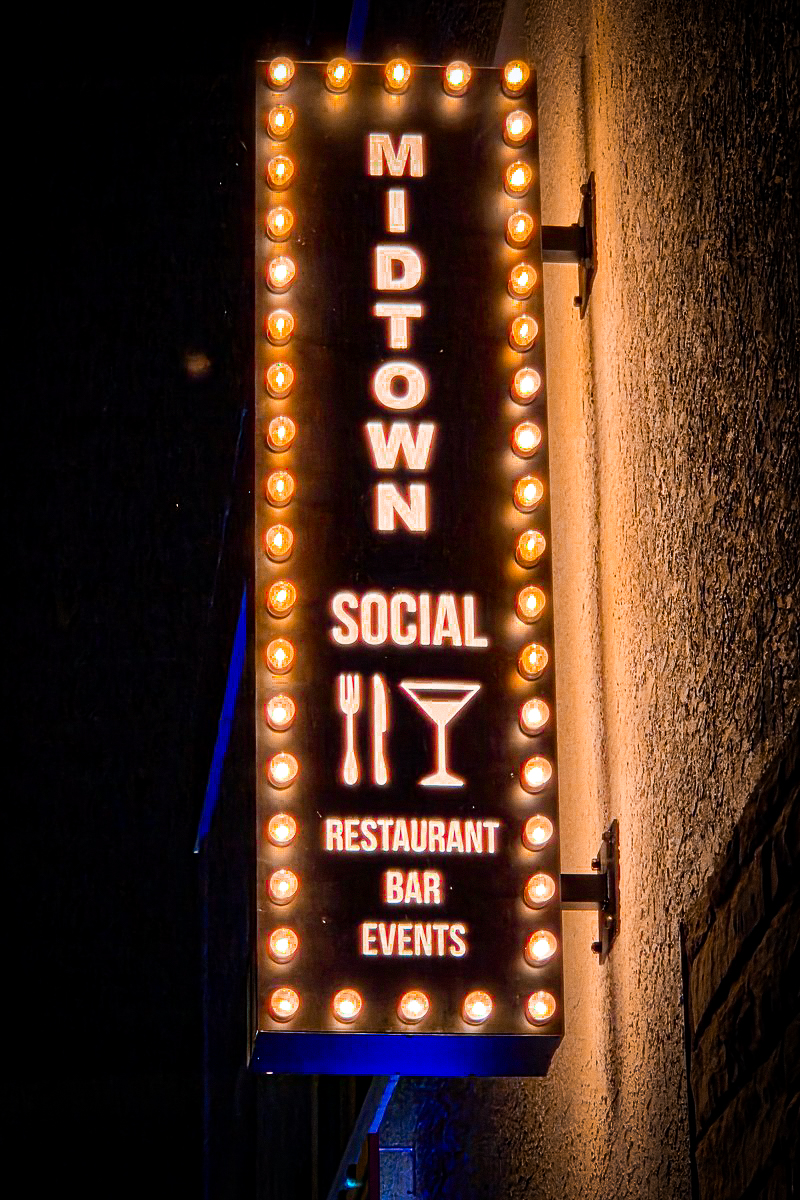
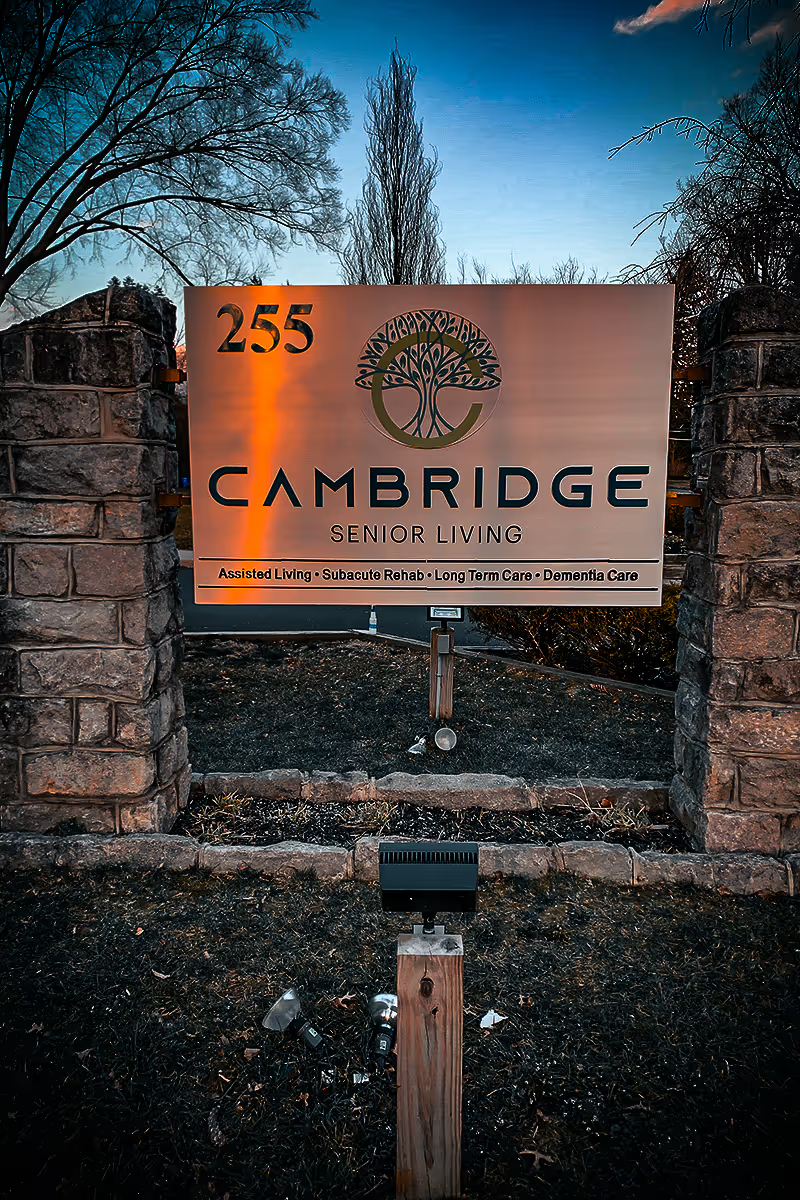
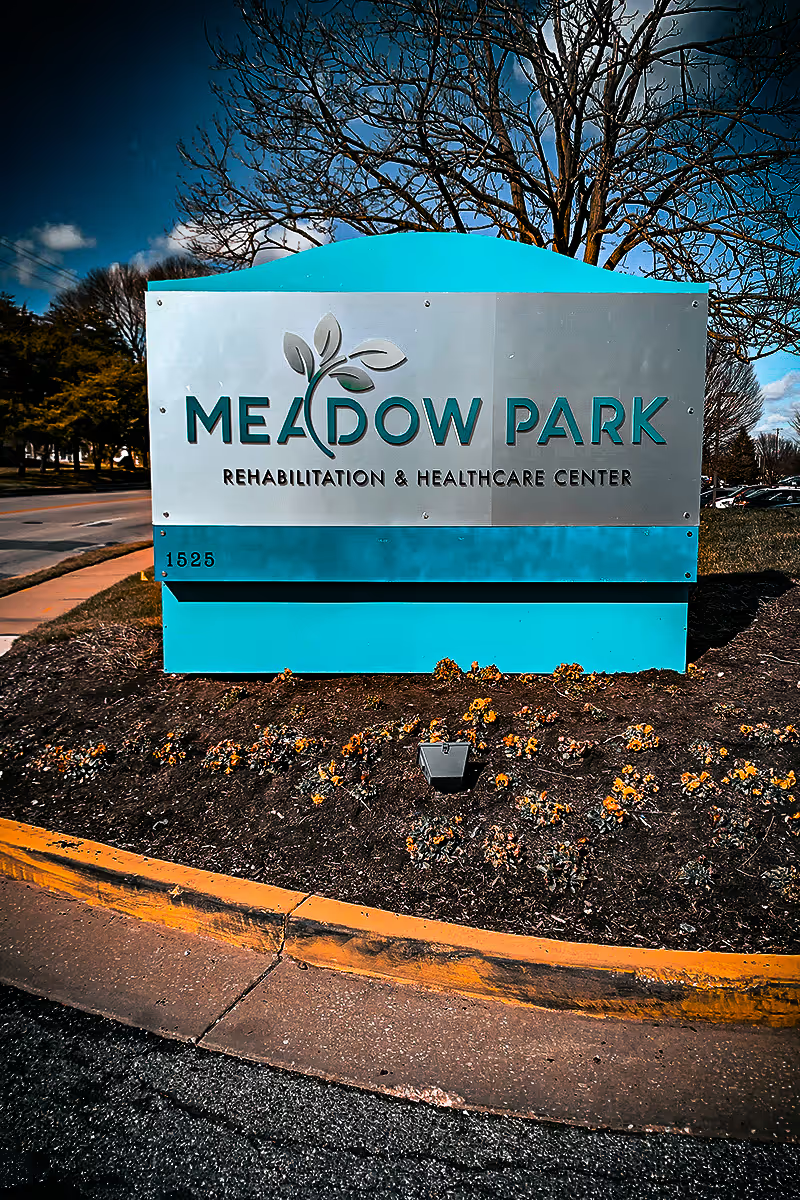
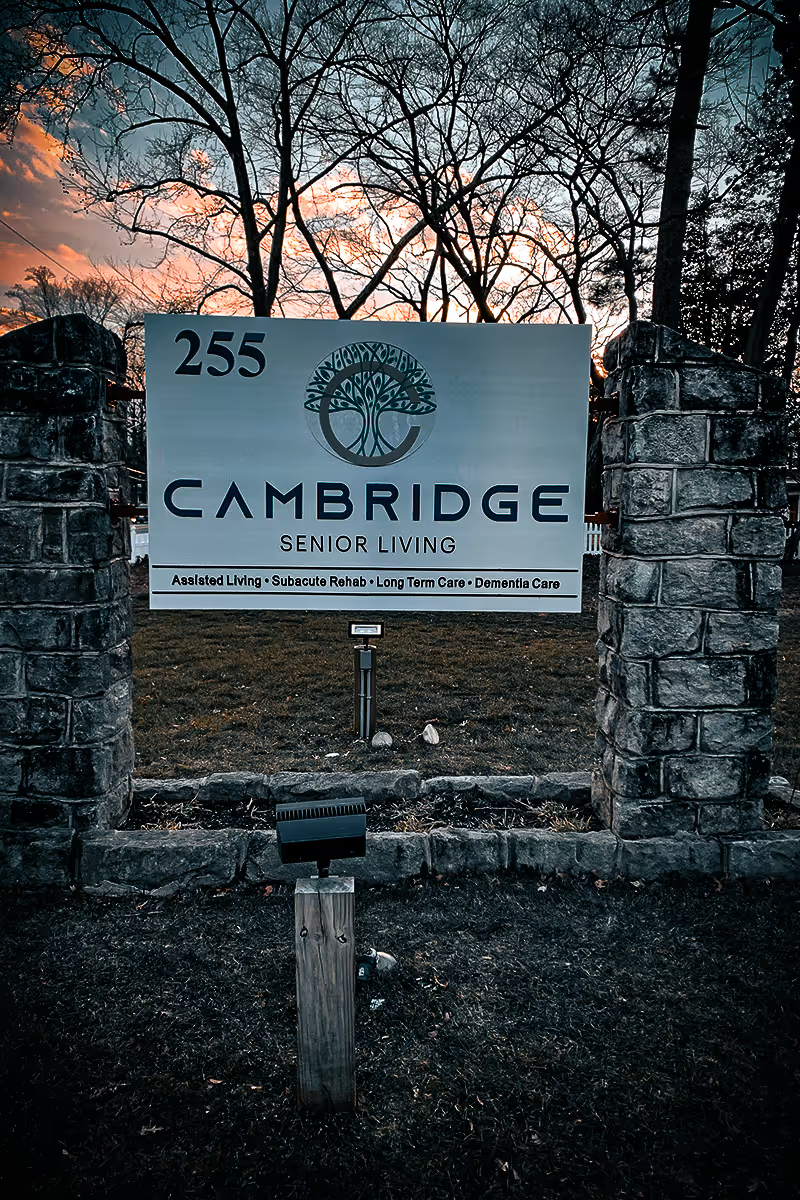
Where Double-Sided Signs Shine
Double-sided signs are perfect for maximizing visibility in high-traffic areas. They effectively communicate your message from multiple angles, ensuring no potential customer is overlooked.
Retail Environments
Capture attention from both directions in busy shopping areas.
Event Signage
Guide attendees effectively at festivals and conferences with clear messaging.
Public Spaces
Inform visitors in parks, museums, and community centers with engaging, dual-sided displays.
Wayfinding Solutions
Help people navigate complex environments with clear directional signage visible from all sides.
"The custom suspended signs from Martino Signs have elevated our visibility and professionalism. We couldn't be happier with the results!"


This is one of the best companies I've ever worked with. Response from start to finish was amazing. My salesman, Jared, was very responsive witth all my questions and followups for everything... GREAT COMPANY!
FAQs
Yes. Many exterior wayfinding signs are fabricated double sided to maximize visibility for vehicle and pedestrian traffic approaching from both directions.
Yes. Many monument signs are fabricated with sign faces on both sides so they are readable from both directions of approaching traffic.
Yes. Most pylon signs are fabricated double sided to maximize visibility for traffic traveling in both directions.
A double-sided sign presents a message on two opposing faces so it can be seen from more than one approach direction. It may be freestanding, projecting, suspended or incorporated into a cabinet, monument, pylon or directional sign structure.
Retailers, restaurants, shopping centers, offices, healthcare facilities, campuses and roadside properties may benefit when customers approach from opposing directions. The site must still offer safe visibility, appropriate setbacks and a sign orientation that matches actual traffic or pedestrian paths.
Blade signs, projecting signs, monument signs, pylon signs, pole signs, cabinets, suspended signs and selected wayfinding signs may have two faces. Feasibility depends on structure, mounting, illumination, clearances, code and whether both approaches provide useful visibility.
Yes. Matching faces reinforce one identity for traffic approaching from either direction. Different messages may also be possible, but they should not confuse navigation or violate sign rules. Each face needs approved artwork and should be reviewed from its intended viewing direction.
Orientation should reflect approach angles, traffic direction, speed, setbacks, landscaping, buildings and other obstructions. A sign perpendicular to a storefront may improve pedestrian visibility, while a freestanding sign may require a different angle. A site survey supports the decision.
Double-sided describes the number of visible faces, while blade or projecting describes how a sign extends from a building. Many blade signs are double sided, but freestanding monument, pylon, pole and directional signs can also have two faces.
Materials may include aluminum, steel, acrylic, polycarbonate, exterior-grade panels, vinyl graphics and compatible coatings. The correct construction depends on sign type, size, illumination, exposure and support. Two faces can increase weight and wind area, so structure matters.
Yes. Depending on design, signs may use internal illumination, individual illuminated letters, halo lighting or external fixtures. Both faces should be evaluated for brightness, service access, wiring and code. Illuminated work may require electrical permitting and licensed installation.
Engineering may be required depending on sign size, height, weight, support, foundation, projection and local rules. Wind can act on both the sign structure and faces. The project engineer and reviewing authority determine the required calculations and sealed drawings.
Permit requirements depend on sign type, dimensions, height, location, projection, illumination and mounting. Each face may be relevant to sign-area calculations under applicable rules. Historic properties and signs projecting into the right-of-way can require additional review.
Installation depends on whether the sign is wall-mounted, projecting, suspended or freestanding. Work may require anchors, poles, foundations, lifts, cranes, electrical connections or traffic coordination. The support and access plan should be confirmed before fabrication.
Cost depends on sign type, size, two-face construction, materials, illumination, engineering, permits, foundations, hardware and installation access. A double-sided sign is not simply priced as two identical single faces because the shared structure and service method affect the design.
Maintenance may include cleaning both faces, checking lighting, inspecting supports and fasteners, addressing water entry and repairing faded or damaged graphics. Access to one face may be harder than the other, so service clearances should be considered during design.
Yes, when visitors or vehicles approach from opposing directions and the structure, site and code allow two faces. Each side may repeat the same message or provide route-specific information, but the messages must remain clear and consistent with the broader system.
Yes, if each face serves a different approach direction and the messages do not conflict. Arrows and destinations should be verified from the viewer's perspective on both sides. The structure, artwork and sign schedule should clearly identify each face before fabrication.
Transforming Spaces with Custom Signage Solutions
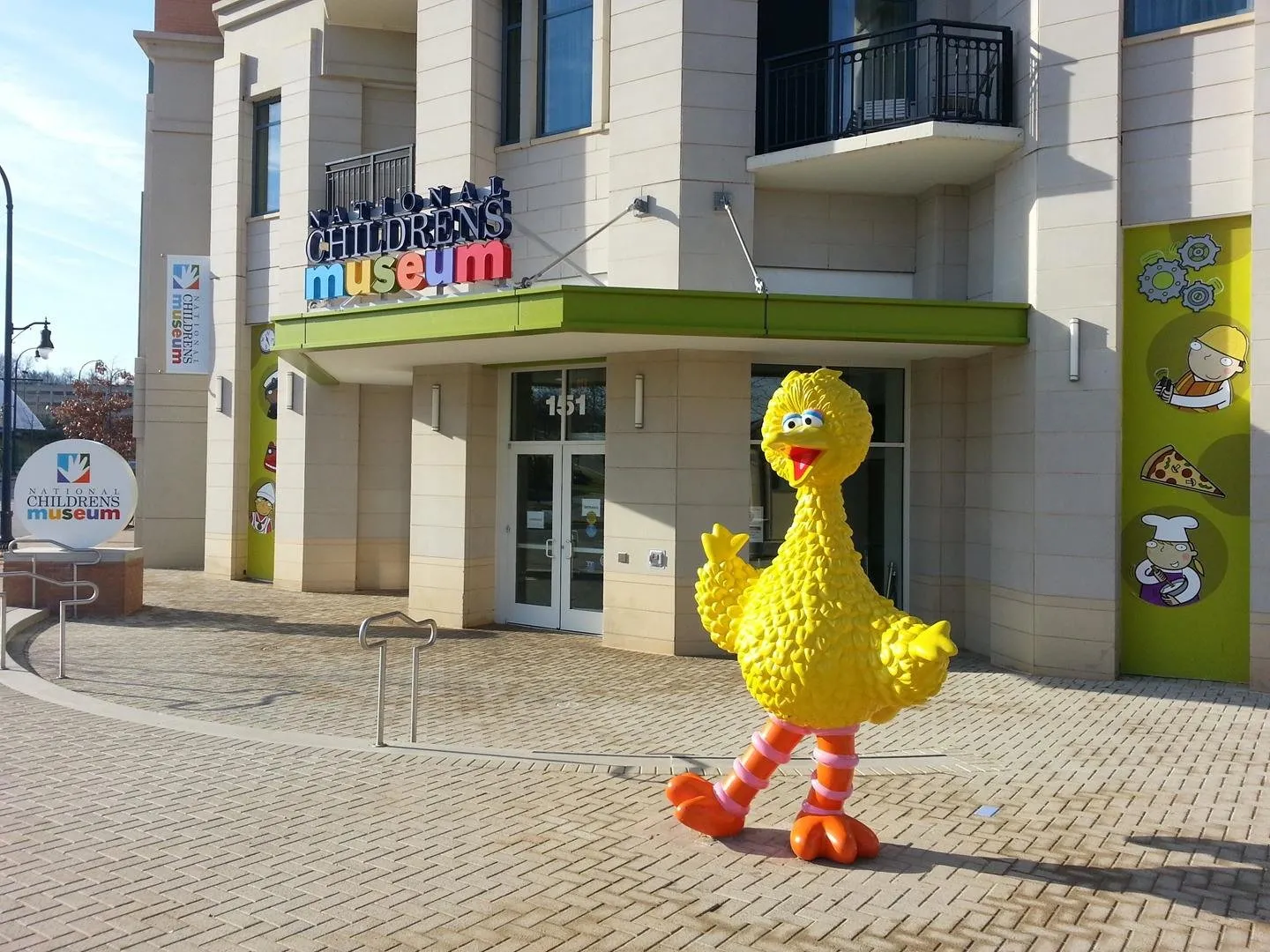
Our innovative signage solutions helped the Children’s Museum of Discovery create a bold, inviting entrance that draws in families and sparks curiosity. This featured project showcases the perfect mix of creativity, durability, and functionality to match the museum’s playful spirit.
Project Highlight
A vibrant, custom-designed sign package that blends playful design with high visibility—perfectly capturing the museum’s mission to engage and inspire young minds.
Be A StandOut Brand
Your audience constantly encounters new brands. Whether you aim to outshine competitors, support your team, or enhance your image, our signage and awning solutions can help. Request a quote or contact us with questions.