Elevate Your Space with Motorized Screens
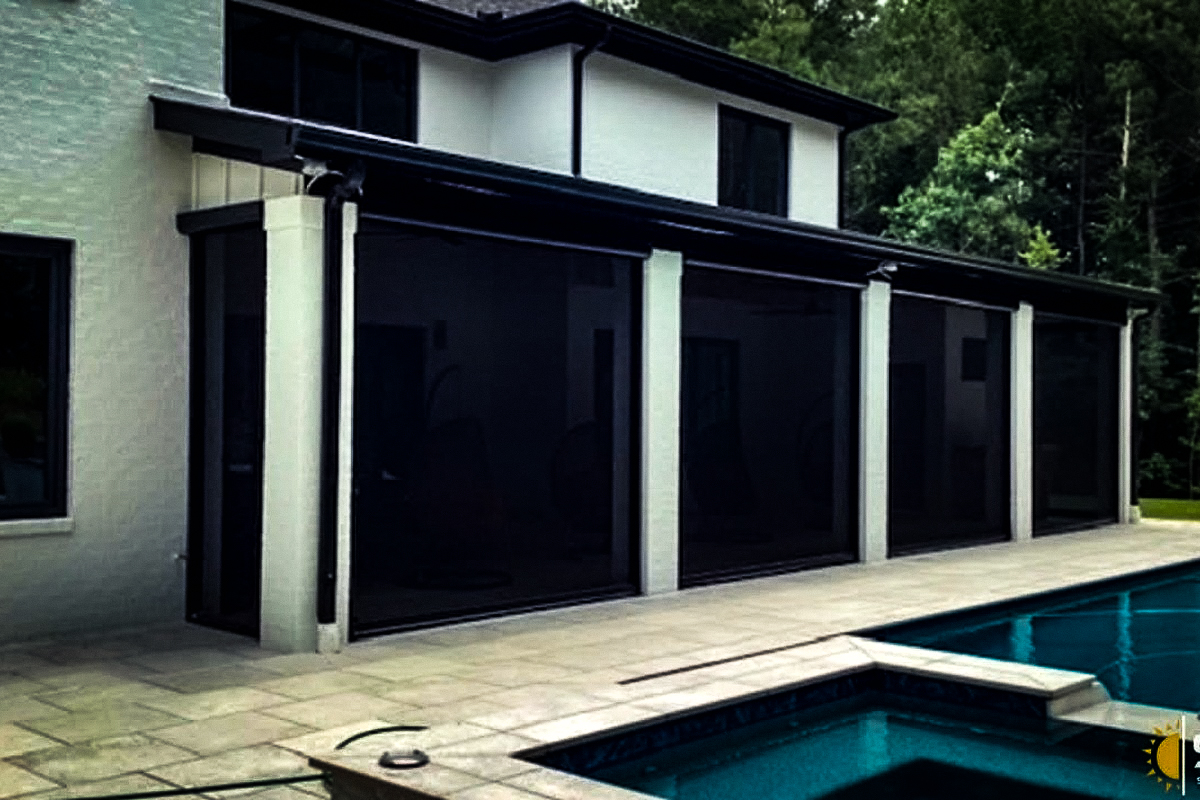
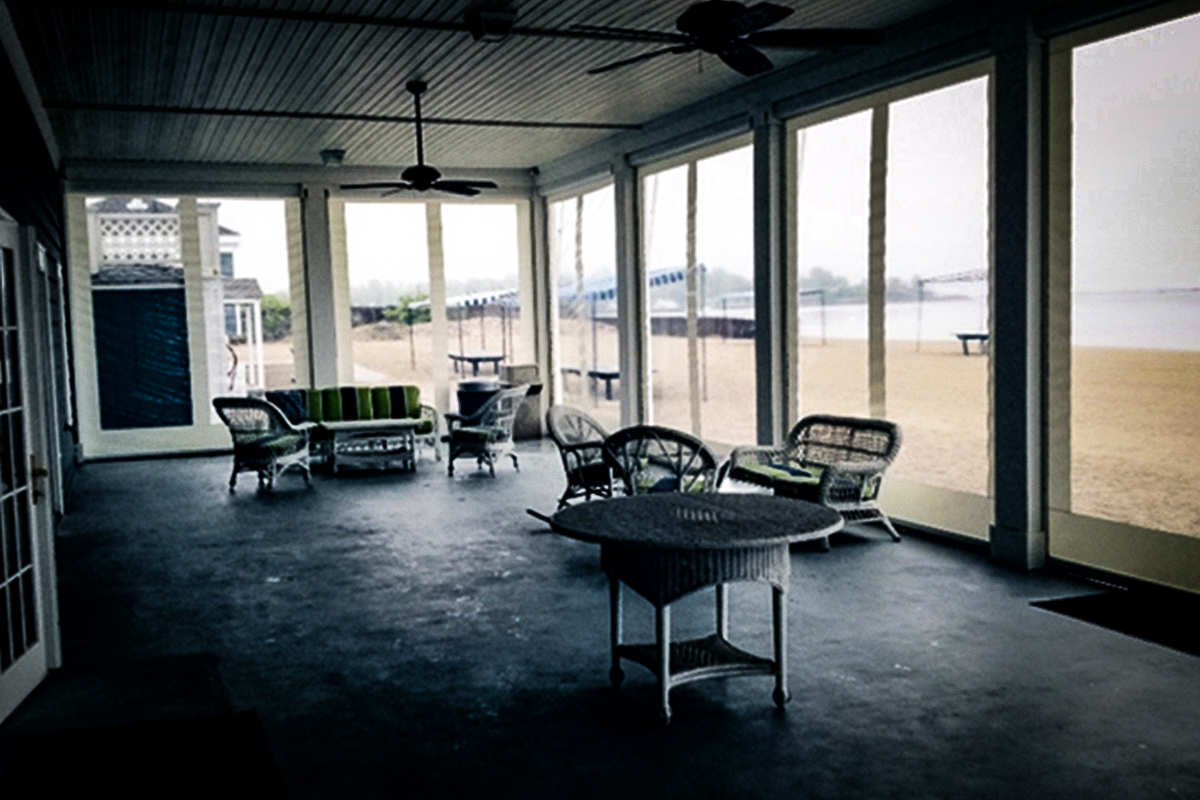
Transform your commercial environment with our state-of-the-art motorized and manual screens. Designed for functionality and style, these screens provide flexibility while enhancing your outdoor and indoor spaces.

Used by the world's leading companies, And Your Neighbors:
Enhance Your Space with Motorized Screens
Motorized and manual screens provide businesses with flexible shade solutions that adapt to changing weather conditions. Not only do they save on energy costs, but they also elevate the aesthetic appeal of your property.
Cost Savings
Reduce energy expenses while maximizing comfort for your customers and employees.
Flexible Solutions
Easily adjust shade levels to suit various activities and times of day.
Aesthetic Appeal
Enhance your property’s look while providing functional shade for outdoor spaces.
Durable Design
Built to withstand the elements, ensuring long-lasting performance and reliability.
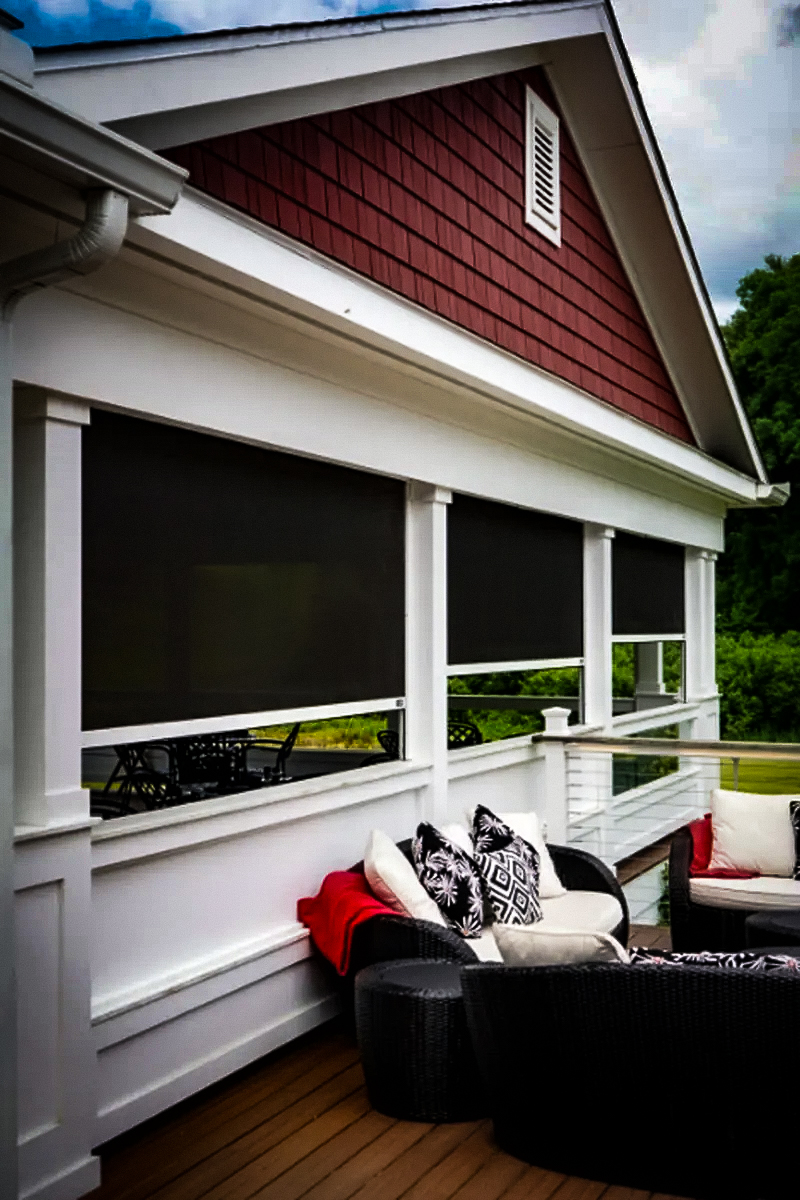
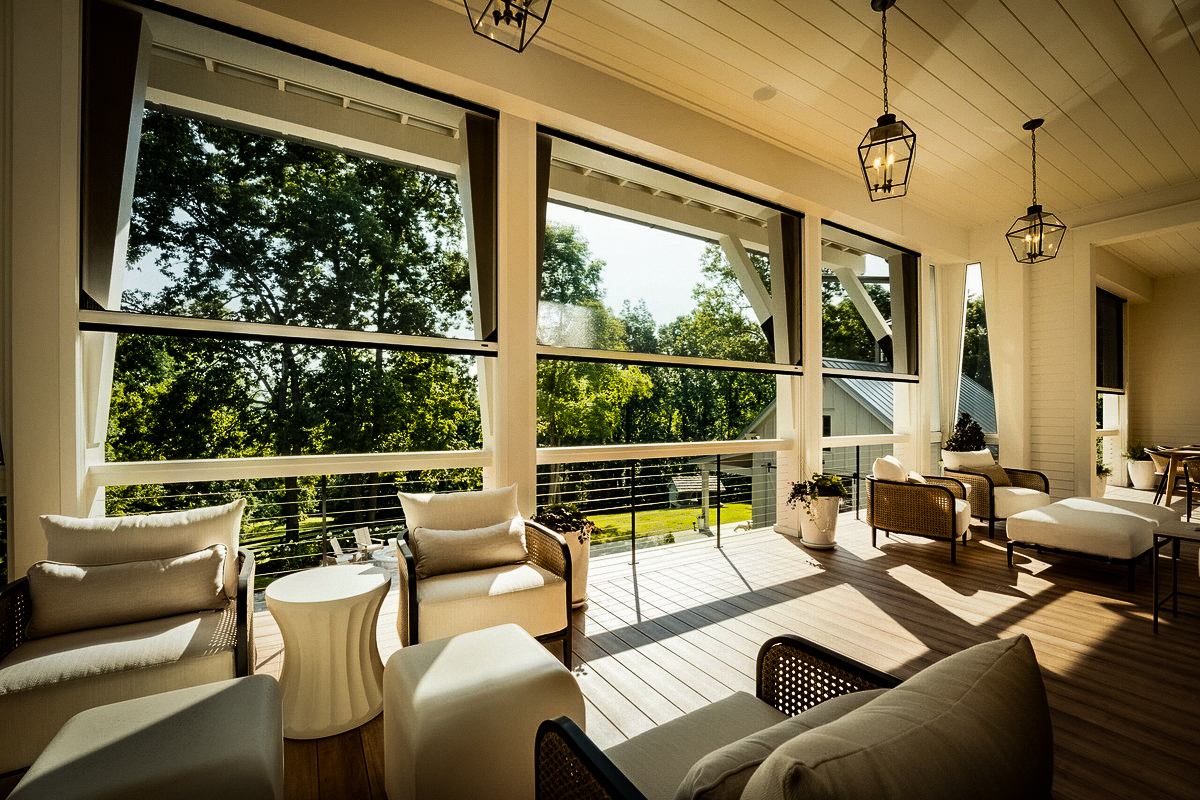
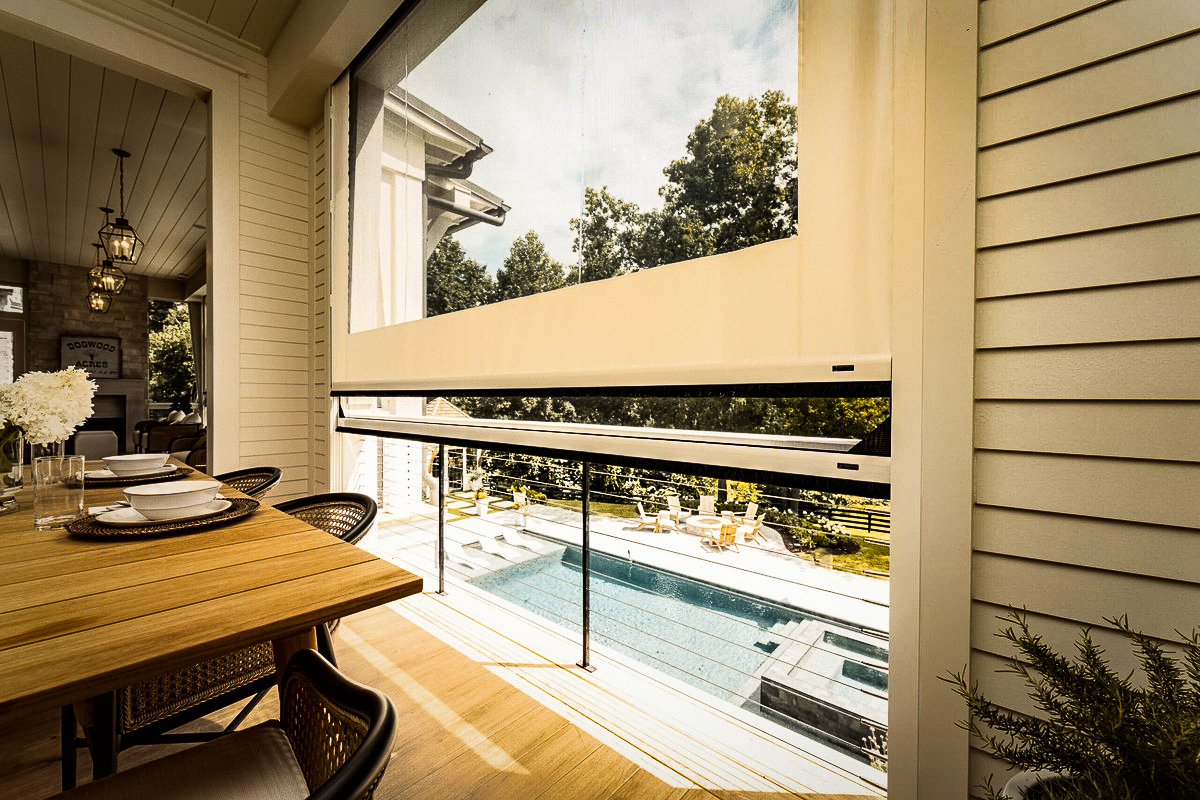
Motorized Screens
Image Gallery






Get Your Custom Sign Today!
Ready to elevate your space with custom signage, awnings, or shades? Contact us for a personalized quote or to ask us any questions about your job.
Enhance Your Space with Motorized Screens
Motorized and manual screens provide flexible solutions for commercial environments. They effectively control light and privacy, making them ideal for various applications.
Ideal for Restaurants and Cafés
Create an inviting atmosphere while protecting patrons from the elements.
Perfect for Retail Spaces
Showcase products while maintaining a comfortable shopping experience for customers.
Great for Event Venues
Easily adapt to changing weather conditions during outdoor events, ensuring guest comfort.
Useful for Educational Institutions
Provide shade and reduce glare in classrooms and outdoor learning spaces.
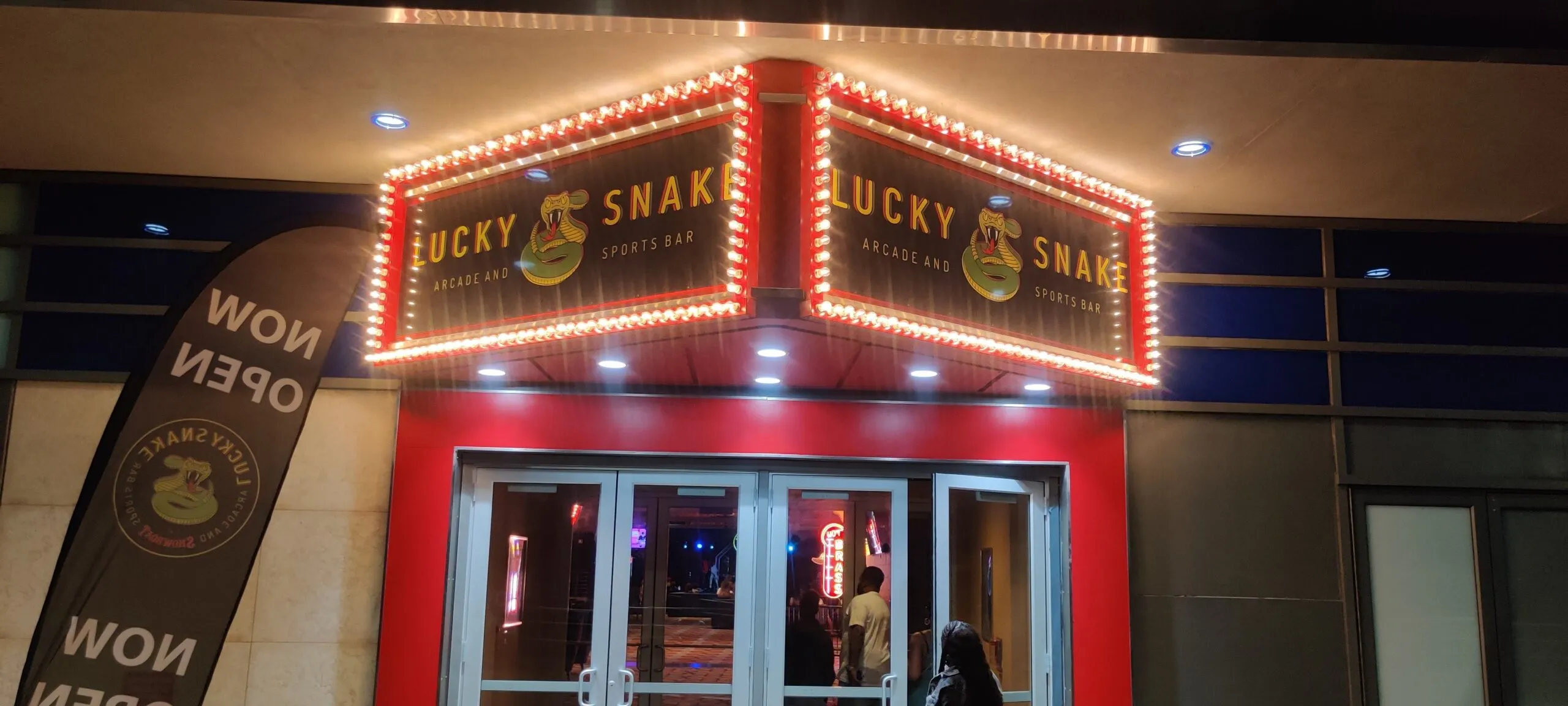
"The custom suspended signs from Martino Signs have elevated our visibility and professionalism. We couldn't be happier with the results!"


This is one of the best companies I've ever worked with. Response from start to finish was amazing. My salesman, Jared, was very responsive witth all my questions and followups for everything... GREAT COMPANY!
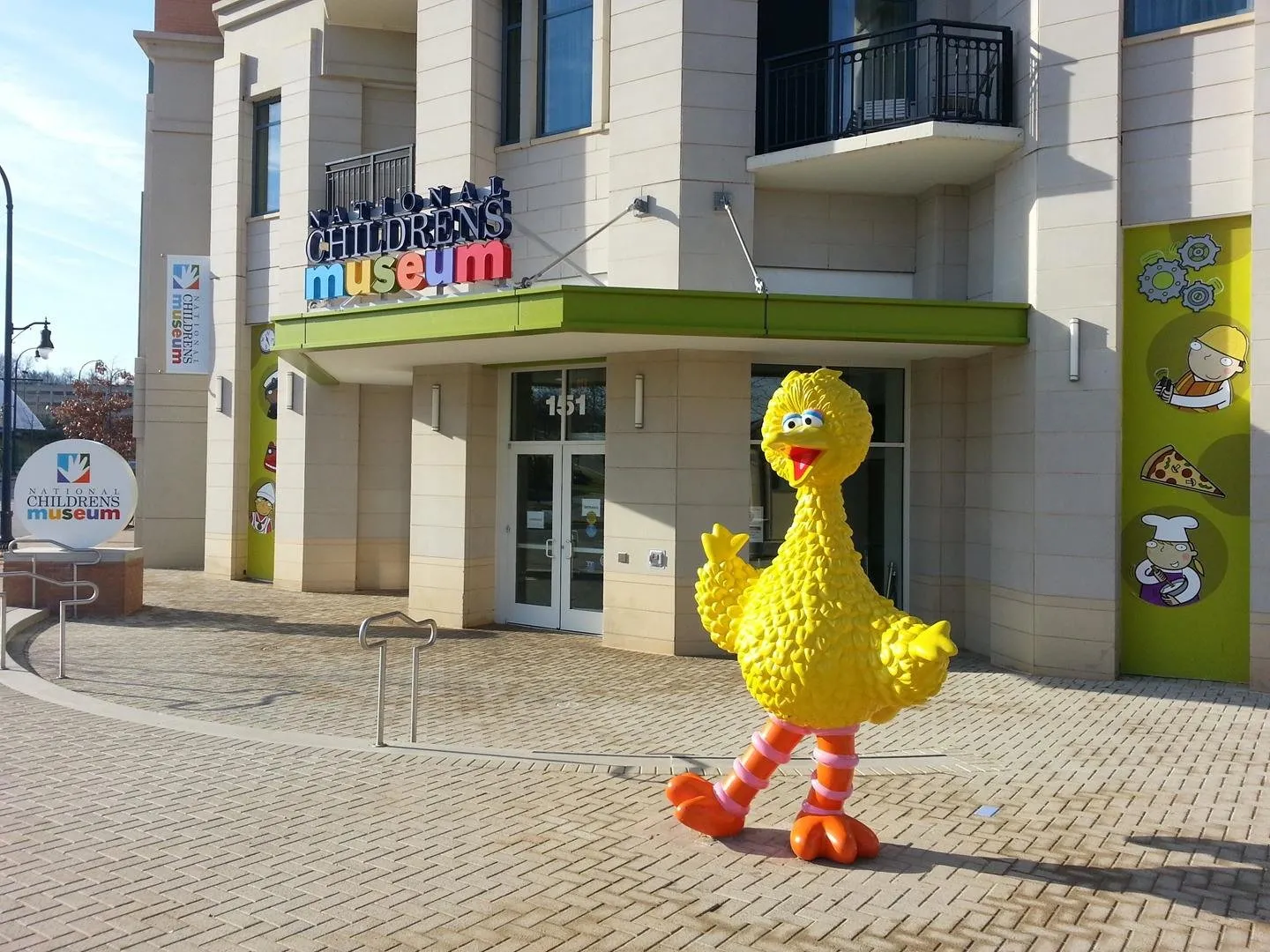
Transforming Spaces with Custom Signage Solutions
Our innovative signage solutions helped the Children’s Museum of Discovery create a bold, inviting entrance that draws in families and sparks curiosity. This featured project showcases the perfect mix of creativity, durability, and functionality to match the museum’s playful spirit.
Project Highlight
A vibrant, custom-designed sign package that blends playful design with high visibility—perfectly capturing the museum’s mission to engage and inspire young minds.
FAQs
These features may be integrated when they are planned with the pergola rather than added as an afterthought. Structural support, electrical service, clearances, controls, drainage and permit requirements can affect feasibility. Martino Signs can coordinate compatible shade and screen components within the project scope.
Commercial screens can help manage sun, glare, privacy, insects and limited wind exposure around restaurant patios, retail areas, hospitality spaces and building openings. Performance depends on the selected fabric and system. They should not be assumed to provide complete weatherproofing or security.
A motorized screen uses an electric drive and controls for frequent or convenient operation. A manual screen is moved by hand with the system's designated mechanism. Selection depends on opening size, frequency of use, electrical access, staff procedures, accessibility and budget.
The best fabric depends on the goal. Solar mesh can reduce glare, privacy mesh can limit views, and insect mesh uses smaller openings. Openness, color, airflow, visibility, fire-performance requirements and manufacturer compatibility should be evaluated for the specific commercial setting.
Some systems can reduce limited wind or wind-driven rain, but performance varies by product, fabric, size, track design and installation. Screens are not automatically storm barriers. Operators should follow published wind limits and retract or secure the system when conditions exceed its intended use.
Possibly. The supporting structure must have suitable dimensions, attachment locations and capacity for the screen system and operating loads. Existing awnings or canopies may need inspection or modification. Integration should be planned before fabrication whenever possible.
Motorized screens require a compatible power source and properly installed electrical components. Electrical permits or licensed contractor work may apply depending on the jurisdiction and scope. Building, zoning or historic review can also apply when the installation alters an exterior commercial property.
Control options may include switches, remotes, grouped controls or compatible sensors, depending on the selected system. Sensors can support operations but do not eliminate staff responsibility. Controls, power, emergency operation and weather procedures should be established before installation.
Many systems can be configured for individual or grouped operation, but compatibility depends on the motors, controls, electrical design and opening sizes. The operator should still be able to isolate a screen for service and respond appropriately if an obstruction or malfunction occurs.
A survey verifies opening dimensions, mounting surfaces, clearances, power access, obstructions and operating paths. It can also identify uneven floors or columns that affect side tracks. Concealed framing and electrical capacity may require additional confirmation beyond a visual survey.
Screens, tracks and controls must not obstruct required doors, exit paths, accessible routes or maneuvering clearances. Staff also need a safe operating procedure. Final placement should be coordinated with the property team and applicable code requirements for the commercial space.
Branding may be possible on certain screen materials, but printing can affect appearance, visibility and performance. Artwork, ink system, mesh openness and roll-up durability must be compatible. Local sign rules or landlord criteria may also apply to exterior branded screens.
No. Screens can improve comfort, privacy or insect control, but they do not automatically create a conditioned, weather-tight or code-compliant indoor space. Changes to occupancy, heating, ventilation or enclosure status should be evaluated by the appropriate property and code professionals.
Cost depends on opening size, number of screens, fabric, track system, motorization, controls, sensors, electrical work, mounting conditions and access. Large or irregular openings and integration with existing structures can add complexity. Field measurements are needed for reliable pricing.
Maintenance may include cleaning the approved fabric, keeping tracks clear, inspecting fasteners and edges, and testing motors, controls and limits. Damaged fabric or misaligned tracks should be addressed promptly. Service requirements vary by system and operating frequency.