What It Actually Takes to Protect a Commercial Loading Dock


Spend ten minutes behind almost any warehouse and you'll see the reality pretty quickly. Loading docks get abused.
Trucks backing in all day. Forklifts buzzing around. Drivers trying to squeeze into tight spots. Add rain, snow, and sun on top of that and it's no surprise things start wearing out.
A loading dock is usually the hardest working part of the building. If it's not protected properly, repairs become a regular thing. Here's what actually goes into protecting one the right way.
Weather Protection Comes First
The first problem most facilities deal with is weather.
Rain blowing straight into the dock door. Snow drifting inside. Summer sun heating up the entire area. Over time that moisture starts damaging floors, rusting equipment, and making the space uncomfortable to work in.
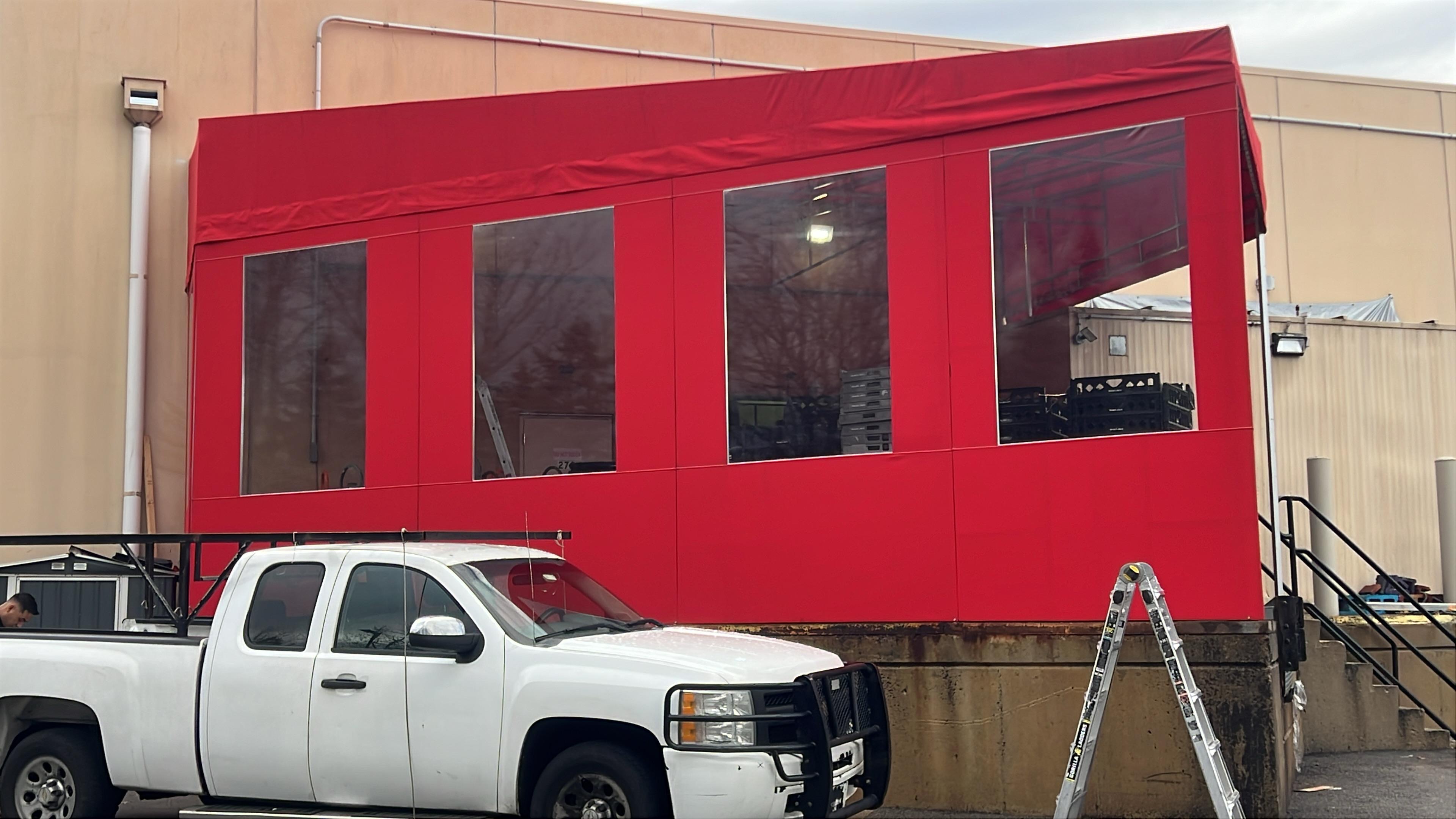
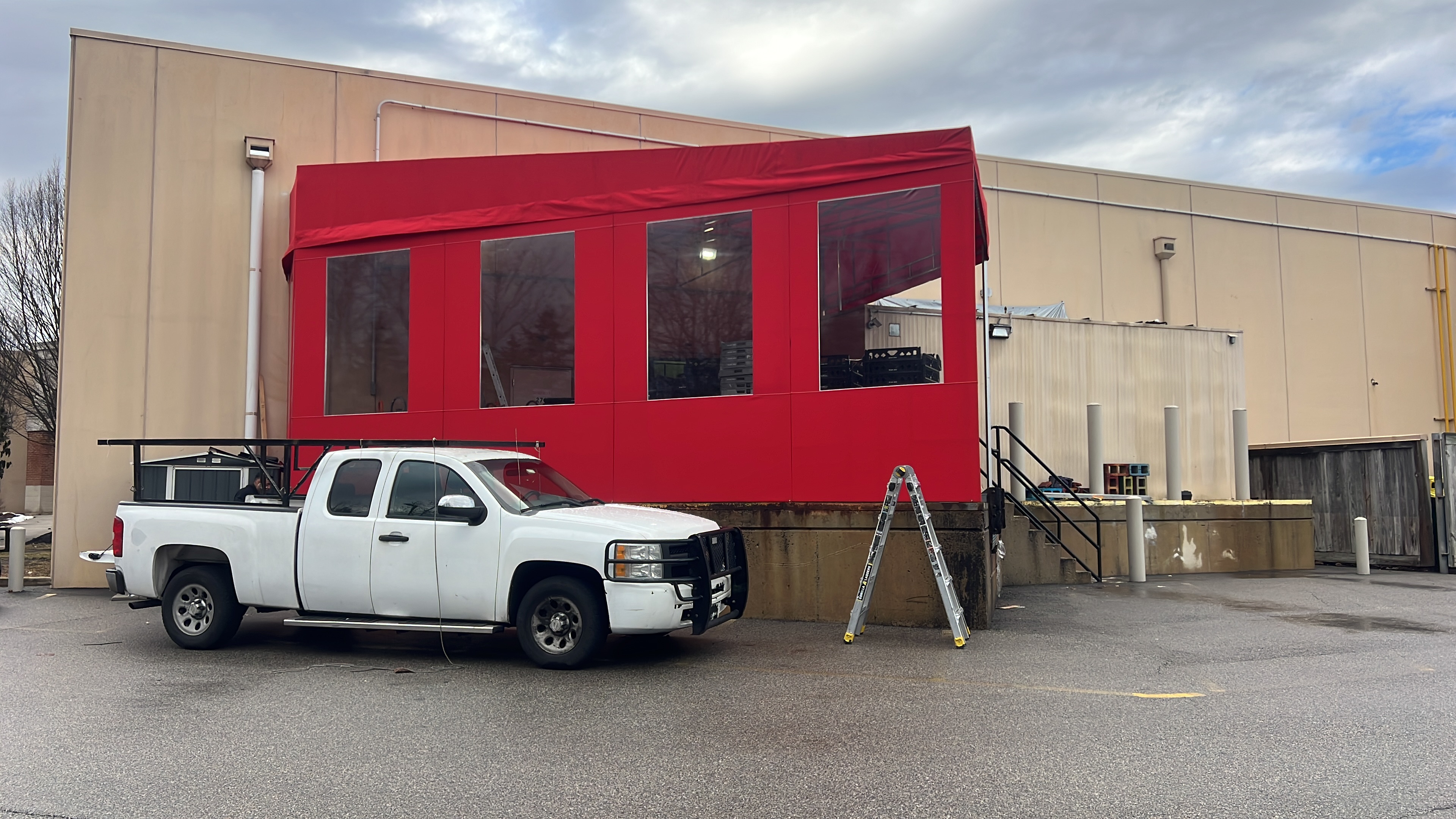
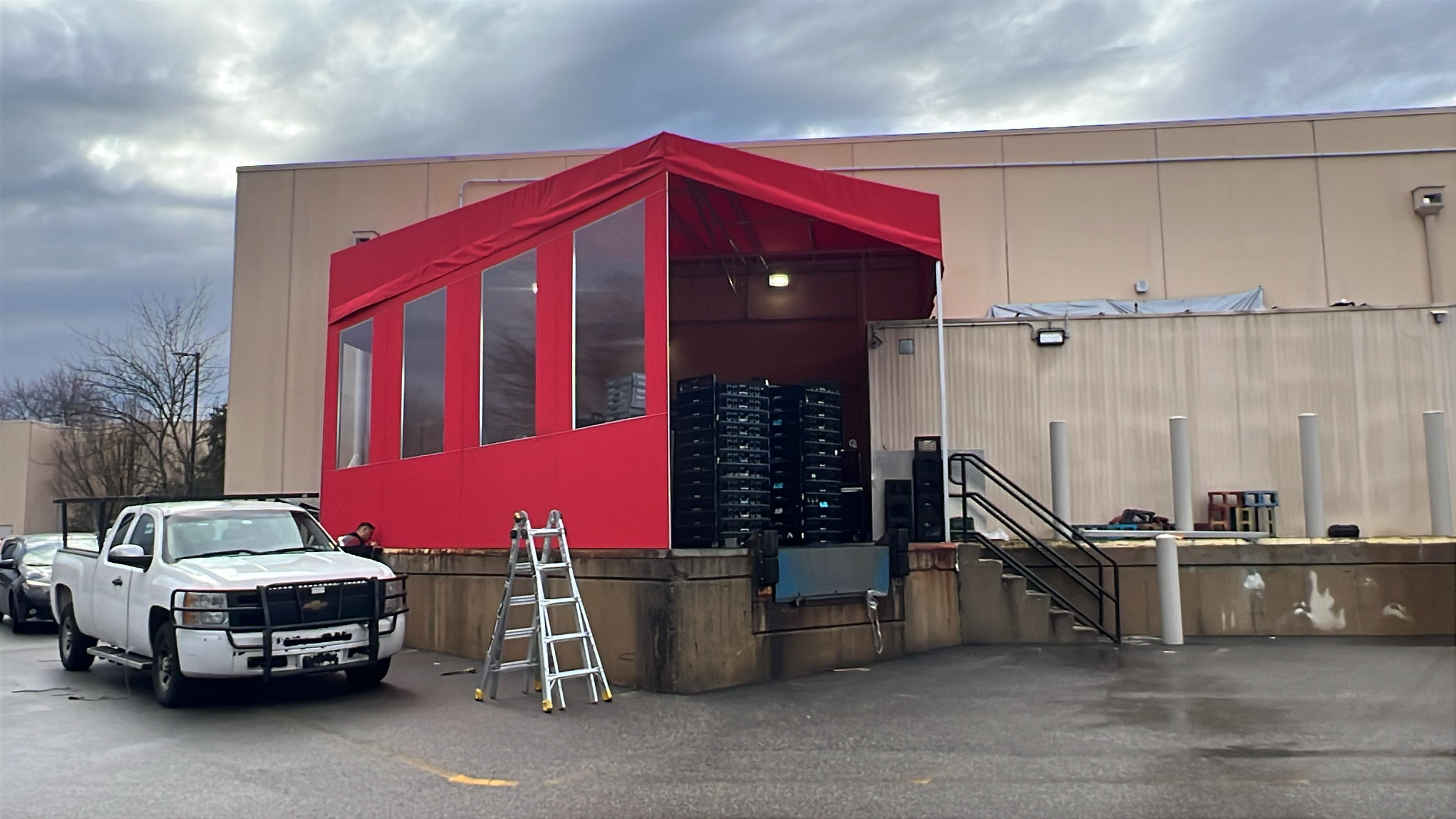
That's where commercial dock canopies or awnings come in.
A properly designed canopy keeps water away from the door opening and gives workers and drivers some cover when they're unloading trucks.
But this is where a lot of people cut corners. A small metal roof stuck to the wall usually doesn't do the job. These things need to be built with real structure behind them. Proper framing, the right pitch so water runs off, and materials that can handle wind and snow.
Otherwise you're just delaying the problem.
Trucks Cause Most of the Damage
Weather causes headaches. Trucks cause the expensive damage.
Even experienced drivers tap the dock sometimes. Sometimes they hit it harder than they meant to. When that happens the building takes the force.
Without protection you'll eventually start seeing things like:
- cracked brick or block
- bent door frames
- damaged siding
- broken dock doors
- smashed door tracks
That's why impact protection matters.
Steel bollards, dock bumpers, and guard rails take the hit instead of the building. Think of them as the dock's shock absorbers.
A simple set of heavy duty dock bumpers can save thousands in repairs over time.
Dock Doors Need Protection Too
Dock doors aren't cheap. Especially the large sectional doors you see on warehouses.
When trucks back into the dock they're supposed to stop at the bumpers. But when those bumpers wear down or weren't installed correctly, the trailer ends up pushing against the door frame.
That's where dock seals or dock shelters help.
They serve two purposes:
- create a weather seal around the truck trailer
- act as a cushion if the trailer gets a little too close
It's a small detail, but it prevents a lot of expensive damage.
Lighting Is More Important Than You Think
A surprising number of dock accidents happen simply because drivers can't see well.
The back side of buildings is usually darker. Early mornings and winter afternoons make it even worse.
Adding proper LED dock lighting helps drivers line up with the door correctly and makes the whole area safer for workers moving around the dock.
It's one of the simplest upgrades you can make, and it pays off quickly.
Every Dock Is a Little Different
Here's something people don't always realize. There's no one perfect setup that works everywhere.
Every dock is different. The building, the truck traffic, and the space around it all play a role.
Things like:
- building construction
- truck size and turning radius
- door heights
- traffic patterns
- local wind and snow loads
All of those things matter.
That's why a site survey is important before installing canopies, signage, or protective barriers. Getting the measurements and conditions right upfront avoids problems later.
The Goal Is Pretty Simple
At the end of the day a well-protected loading dock should do three things:
- keep the weather out
- protect the building from trucks
- make the space safer for workers
When those things are handled properly, the dock runs smoother and the building avoids constant repair bills.
And if you manage a commercial property or warehouse, fewer repair calls is always a good thing.
Explore RElated Content
You might enjoy this related content from Martino Signs